PromptAbrir ChatGPT
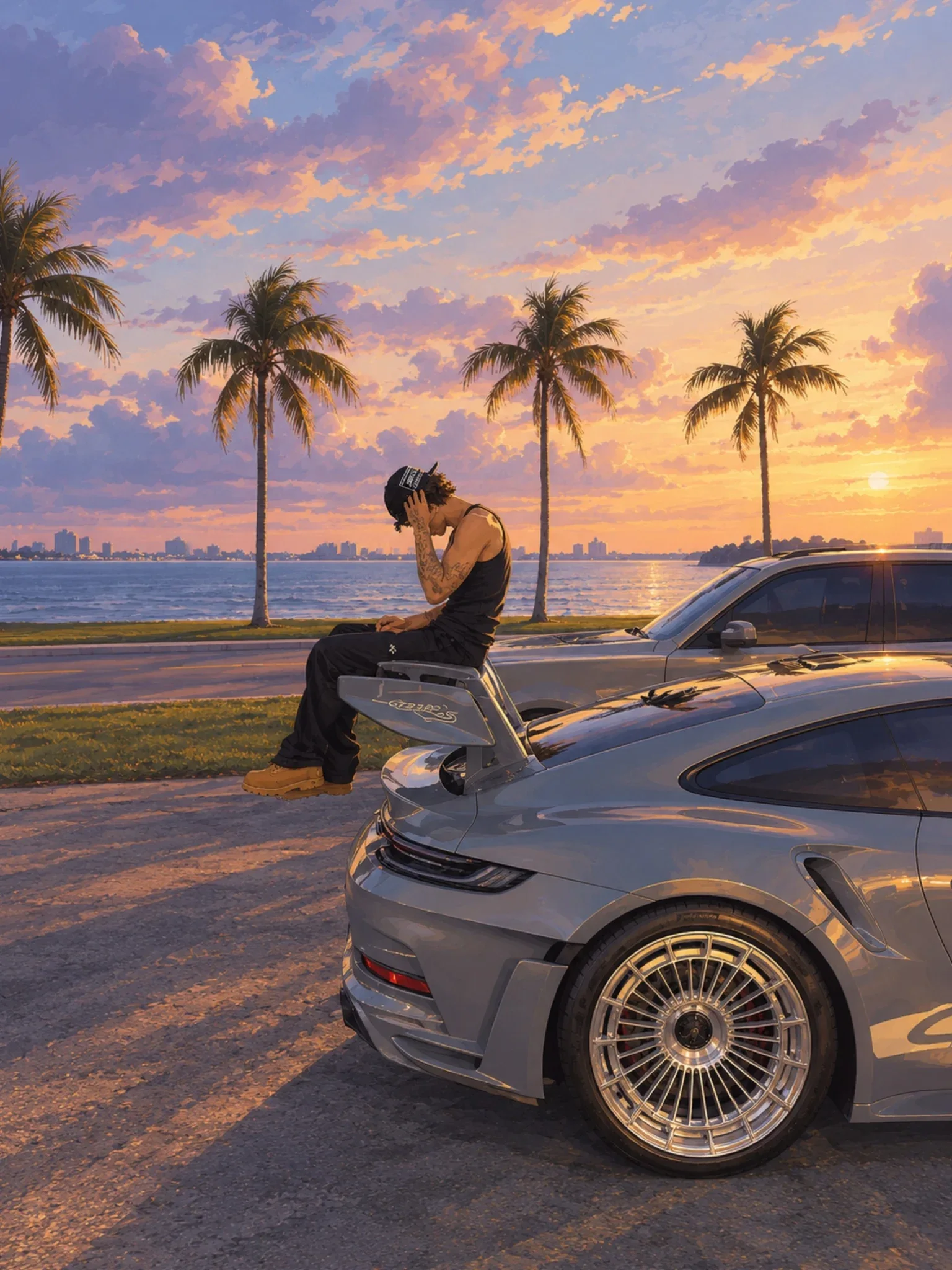
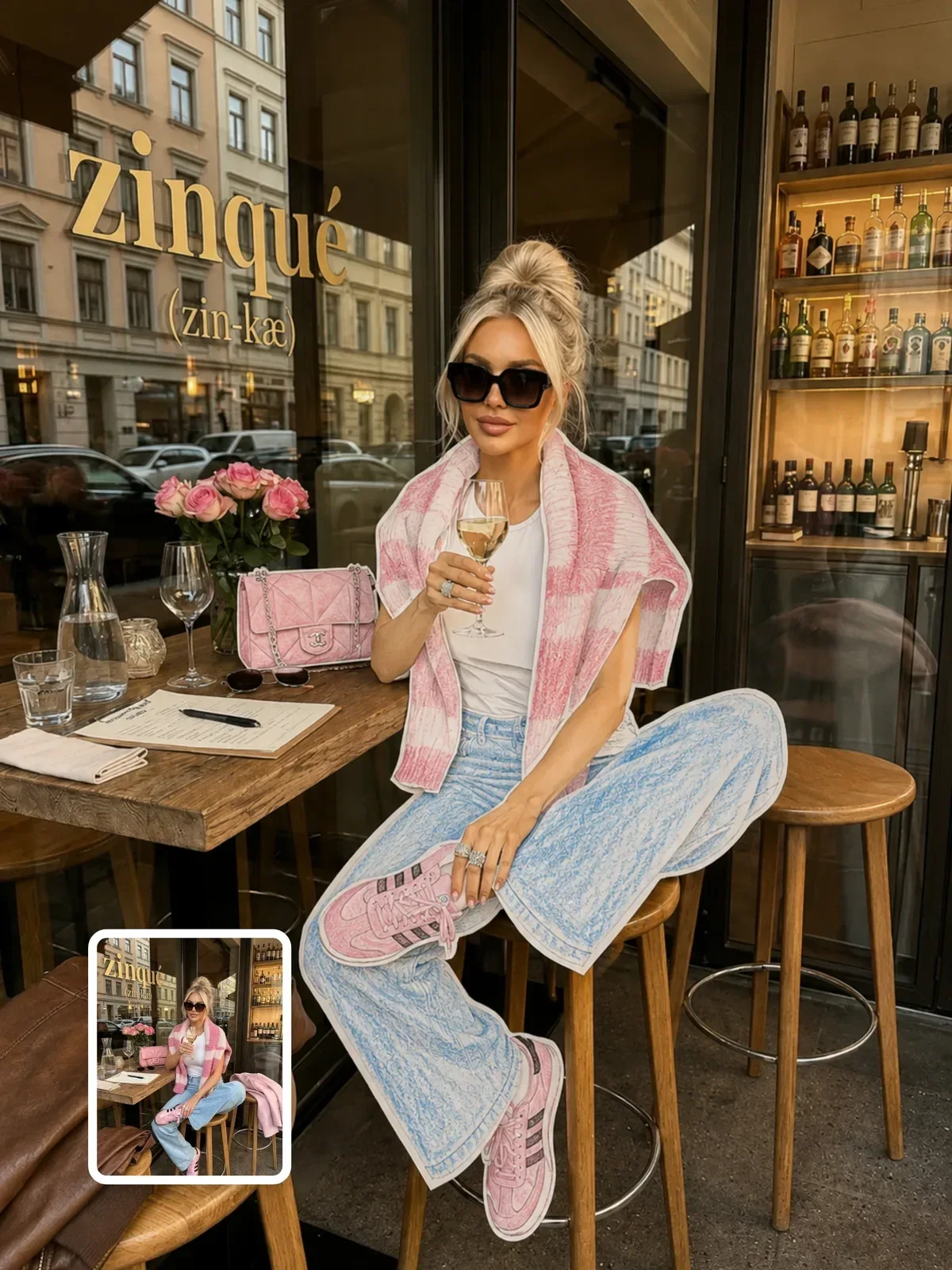
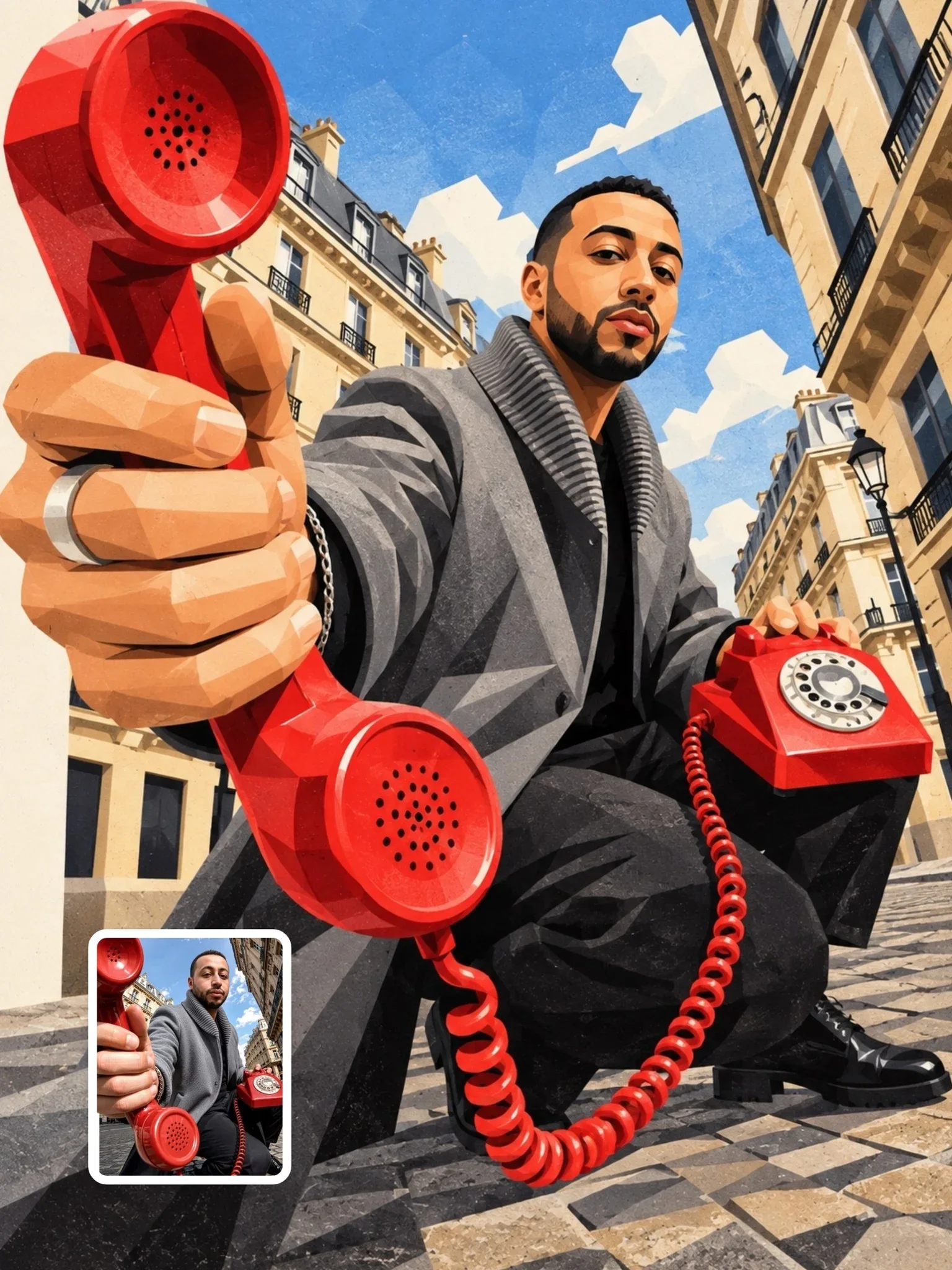
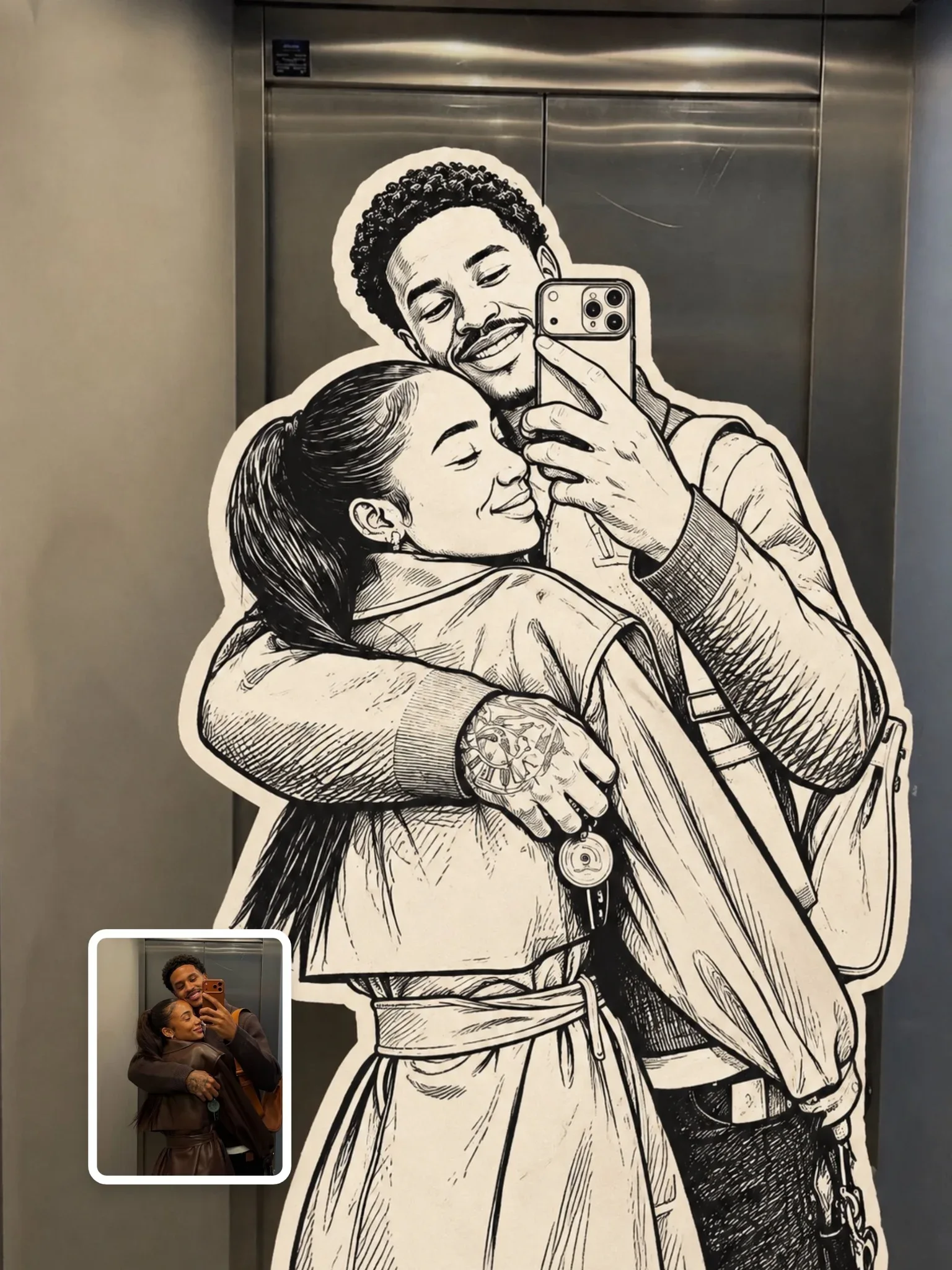
Transform the uploaded image into a premium, meticulously rendered 3D-informed digital painting with a distinctive, polished, semi-realistic video game concept art aesthetic.
RENDERING STYLE: Create clean, sculpted three-dimensional forms using precise silhouettes, broad connected color planes, crisp light-shadow separation, rich midtones, controlled gradients, and subtle…
LIGHTING AND SHADING: Use large, clearly structured areas of illumination, midtone, and shadow to describe the volume of every subject and object. Introduce luminous peach-gold, apricot, and coral hig…
SUBJECT DETAIL: Render faces with carefully constructed planes and smooth dimensional transitions. Paint hair using defined locks and tapered strands. Model skin, fabric, denim, leather, metal, glass,…
+7 líneas más · Copiar te da el texto completo
53
243
Guía del prompt
GTA Concept Style
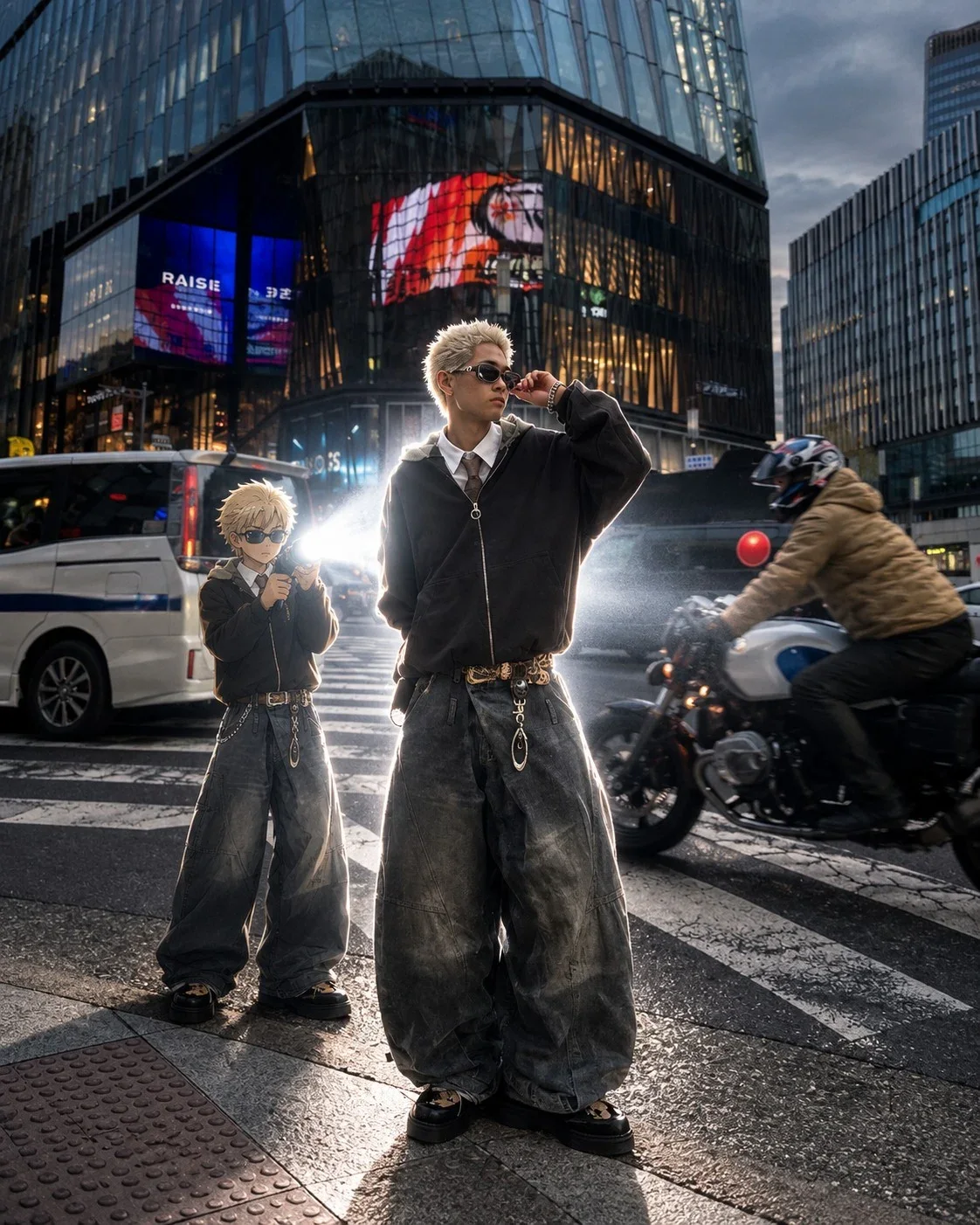
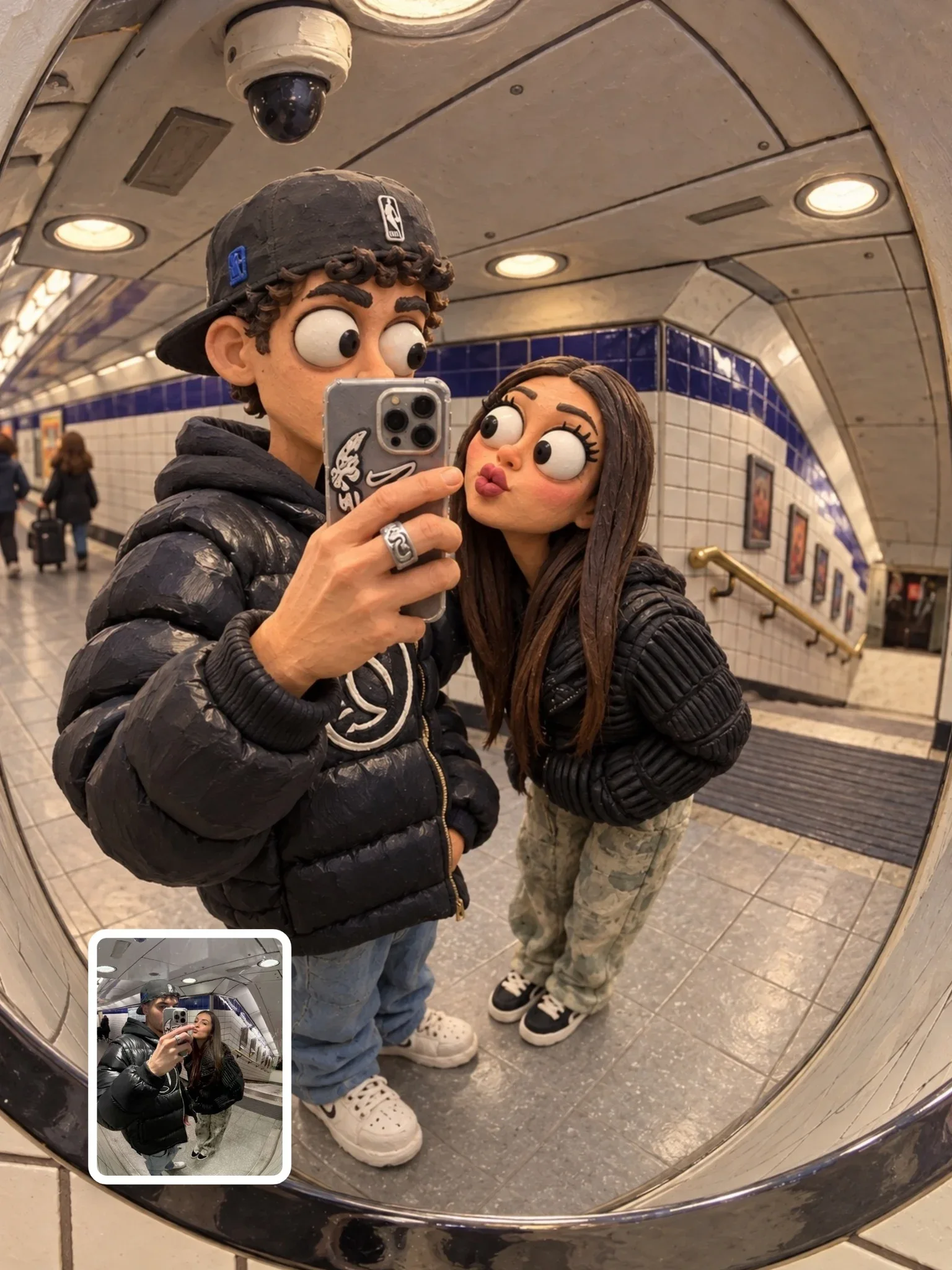
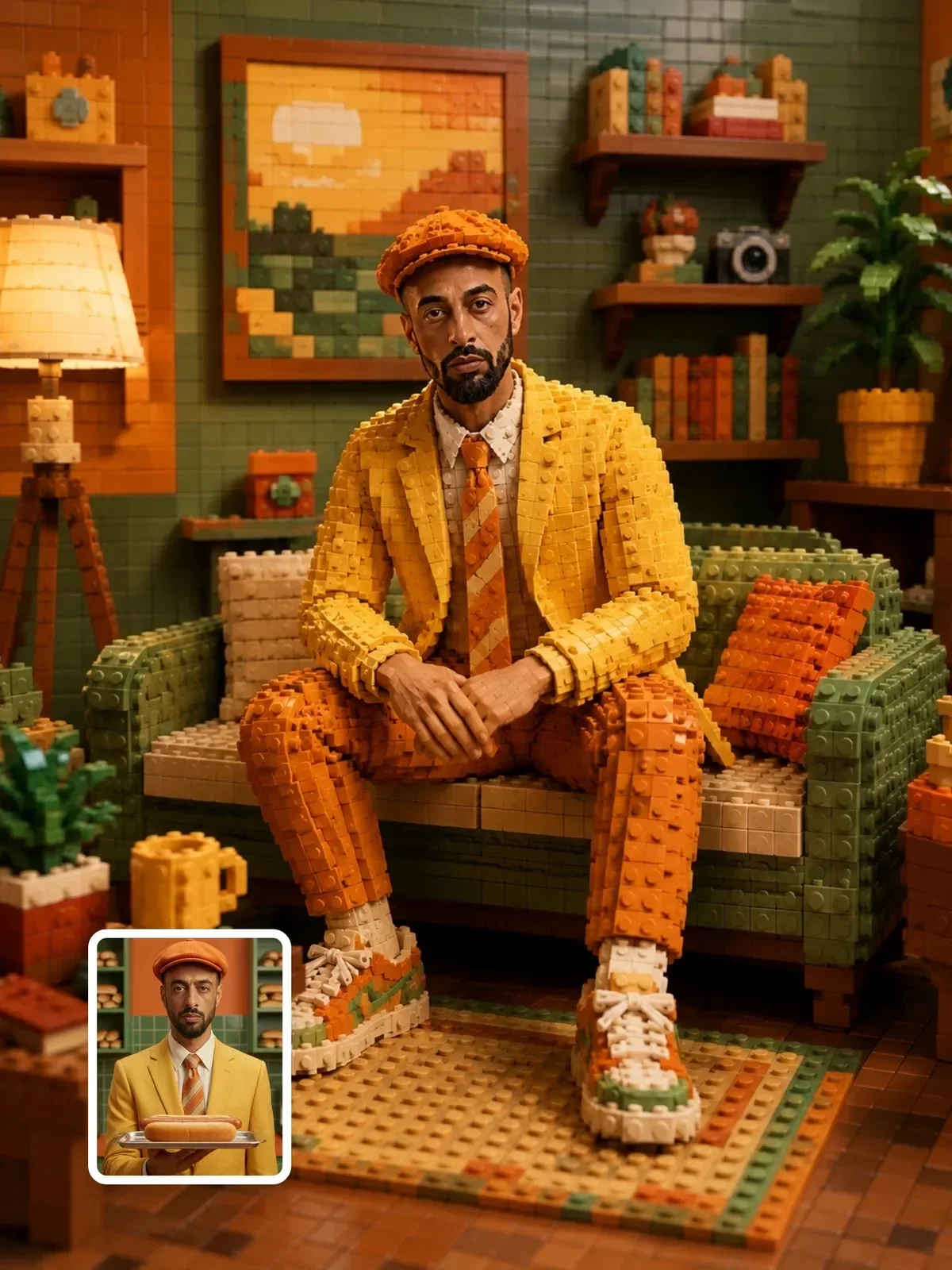
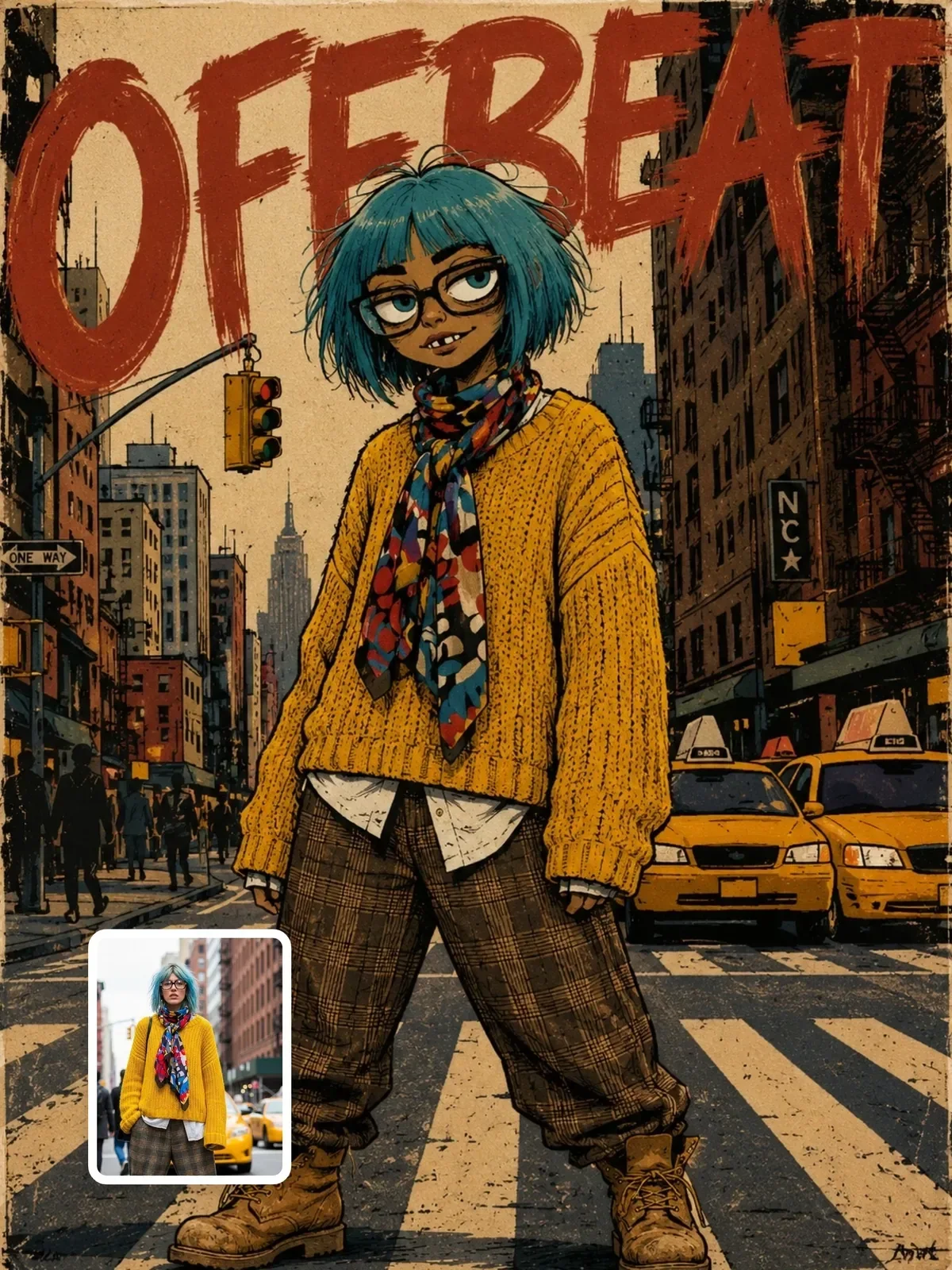
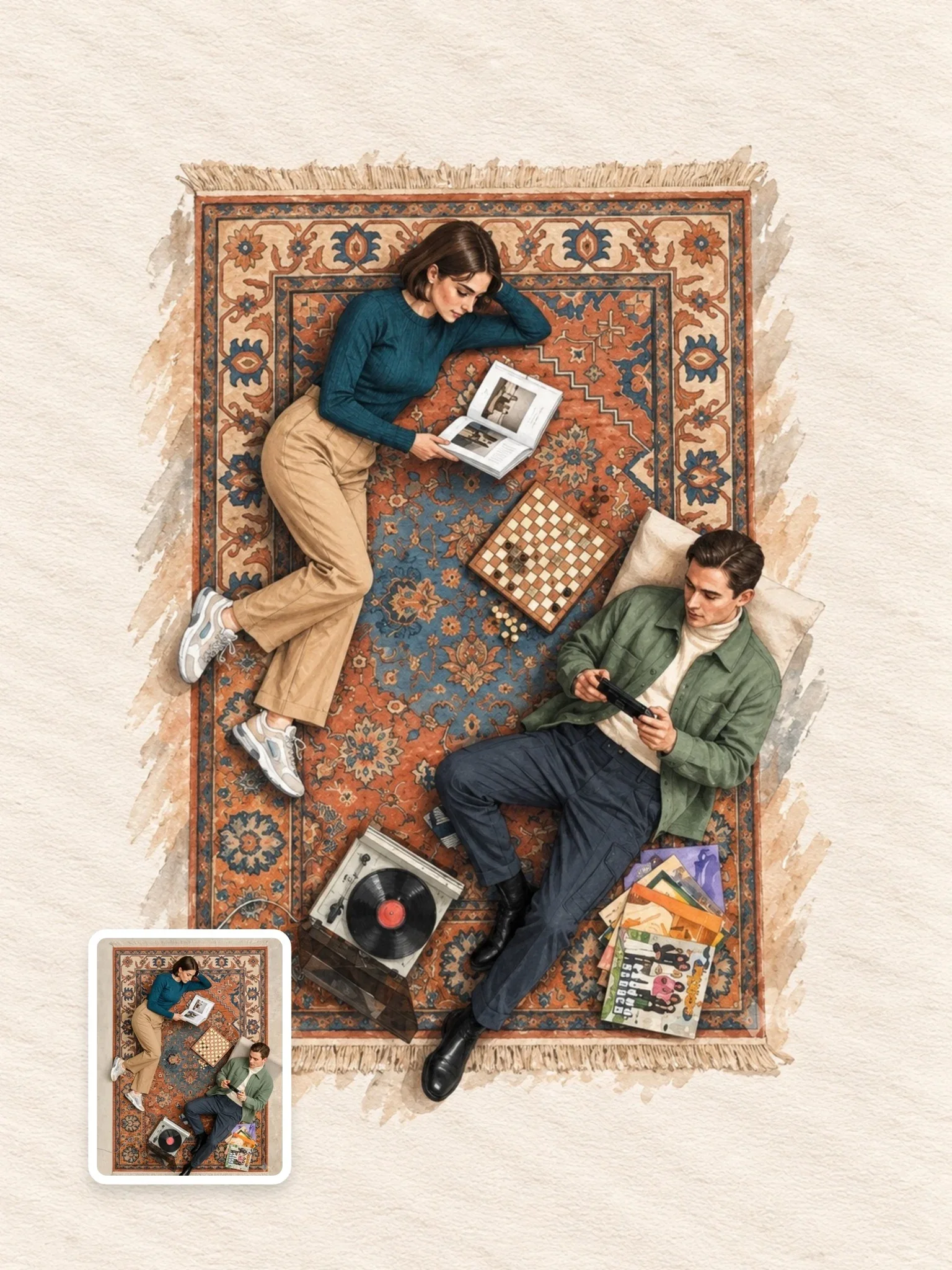
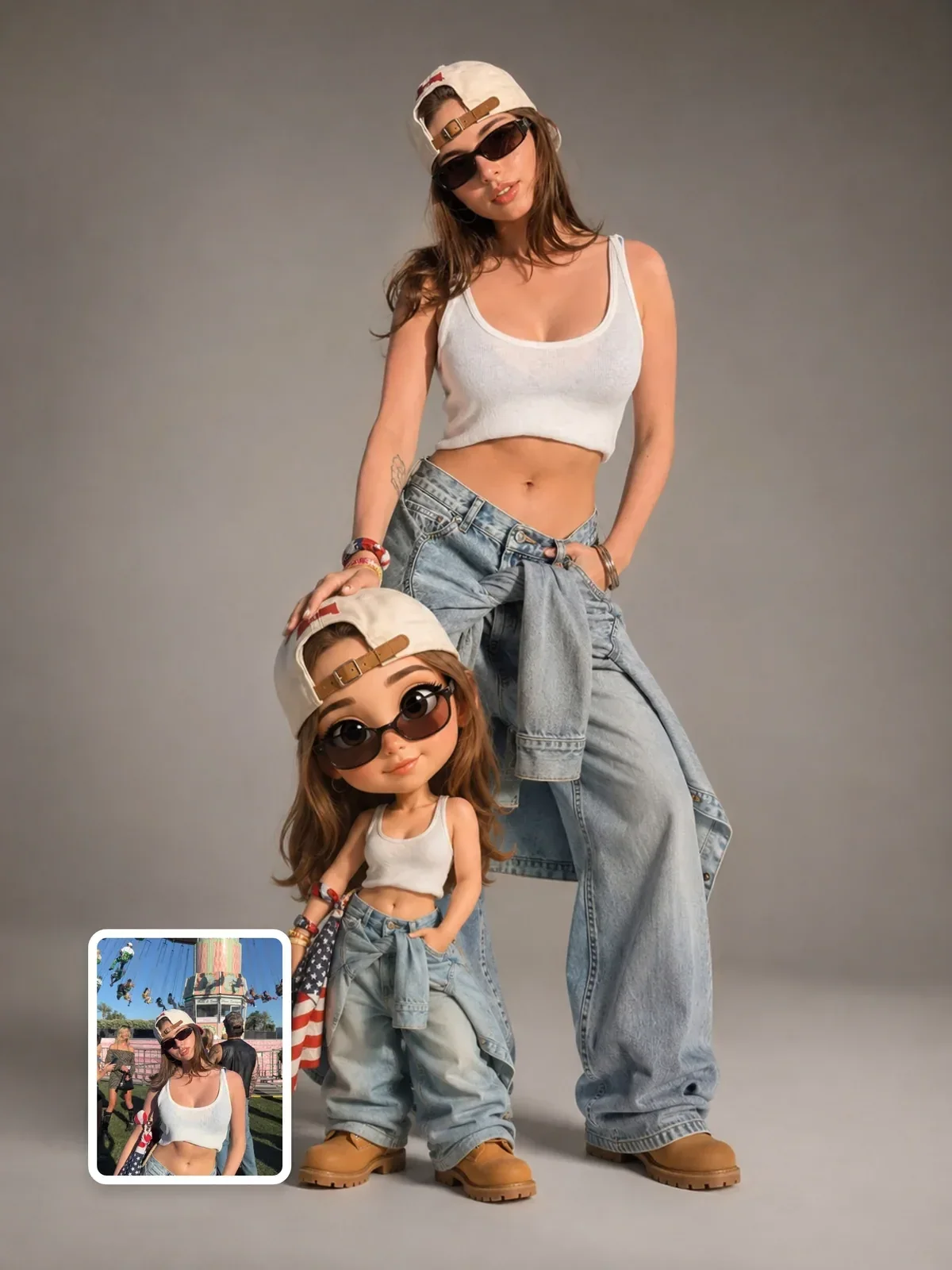
This prompt repaints an uploaded photo as polished, semi-realistic game concept art: sculpted 3D-looking forms, flat connected color planes and warm peach-gold highlights. It sits in the spirit of the painted loading-screen art made famous by open-world action games, without turning your photo into a flat cartoon.
Painting with planes instead of pores
The core instruction is a 3D-informed digital painting. That phrase matters: the model is asked to think like a 3D artist who then paints over the render, so faces and clothes keep real volume but lose photographic noise.
The RENDERING STYLE block pushes broad connected color planes and crisp light-to-shadow separation. Instead of thousands of tiny skin details, you get a few confident shapes on the cheek, jaw and nose, which is exactly what makes concept art read from across a room.
The warm rim that sells the look
The LIGHTING AND SHADING section splits every surface into clear zones of light, midtone and shadow, then adds peach-gold, apricot and coral highlights. Those warm accents sit against cooler shadows, the same push and pull you see on classic sunset-lit game key art.
Because the lighting is described in structure rather than in a specific setup, it adapts to your photo. A backlit beach shot becomes glowing and hazy; an indoor shot under one window becomes moody and sculpted.
Photos that convert well
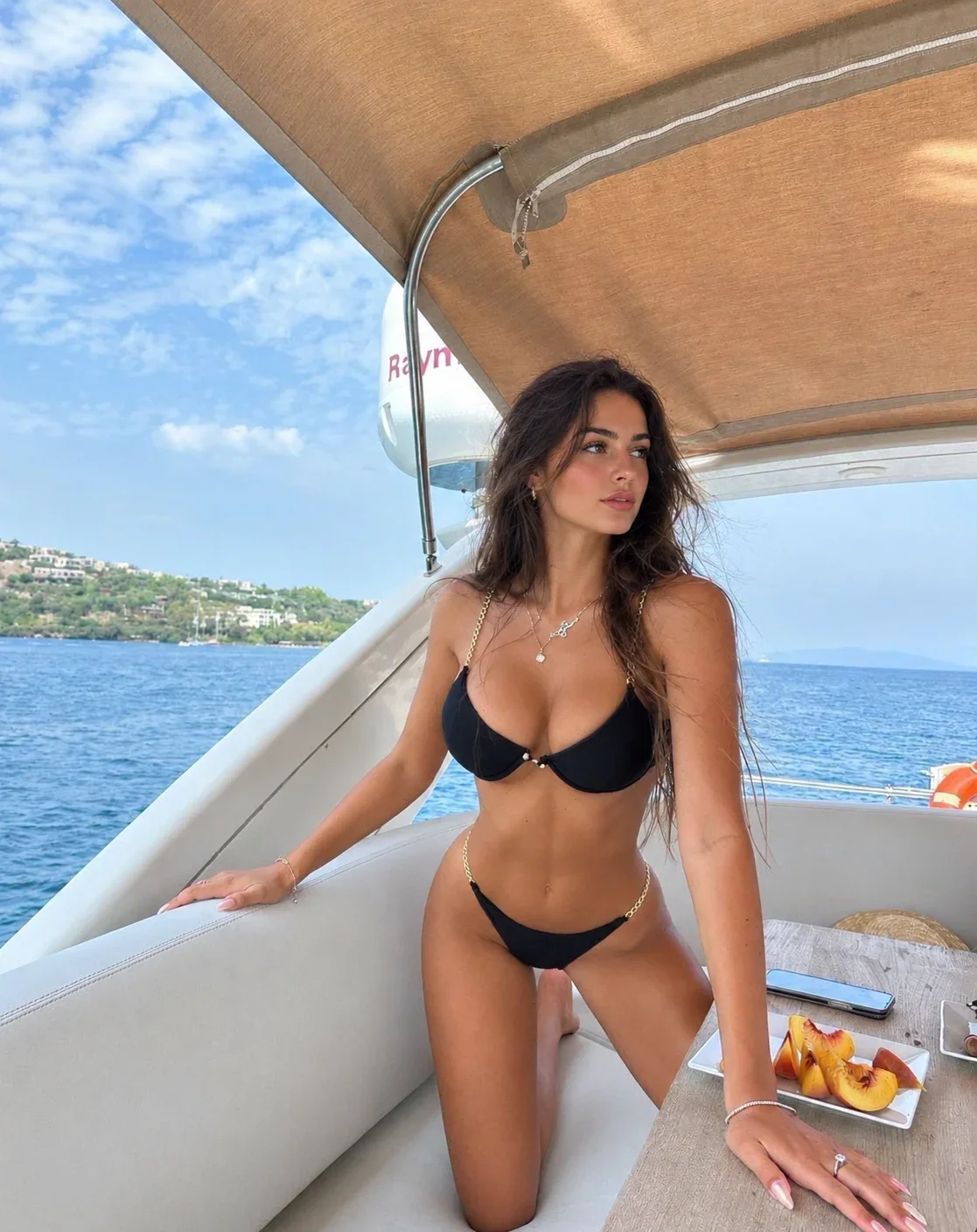
- A clear subject at medium or full length, with the face at least a fifth of the frame height so the painted planes have room.
- Directional light, such as late afternoon sun or a single window. Flat overcast light leaves the painter little to sculpt.
- Strong materials in the outfit: denim, leather, metal or glass. The SUBJECT DETAIL block names these, and they come back with satisfying texture.
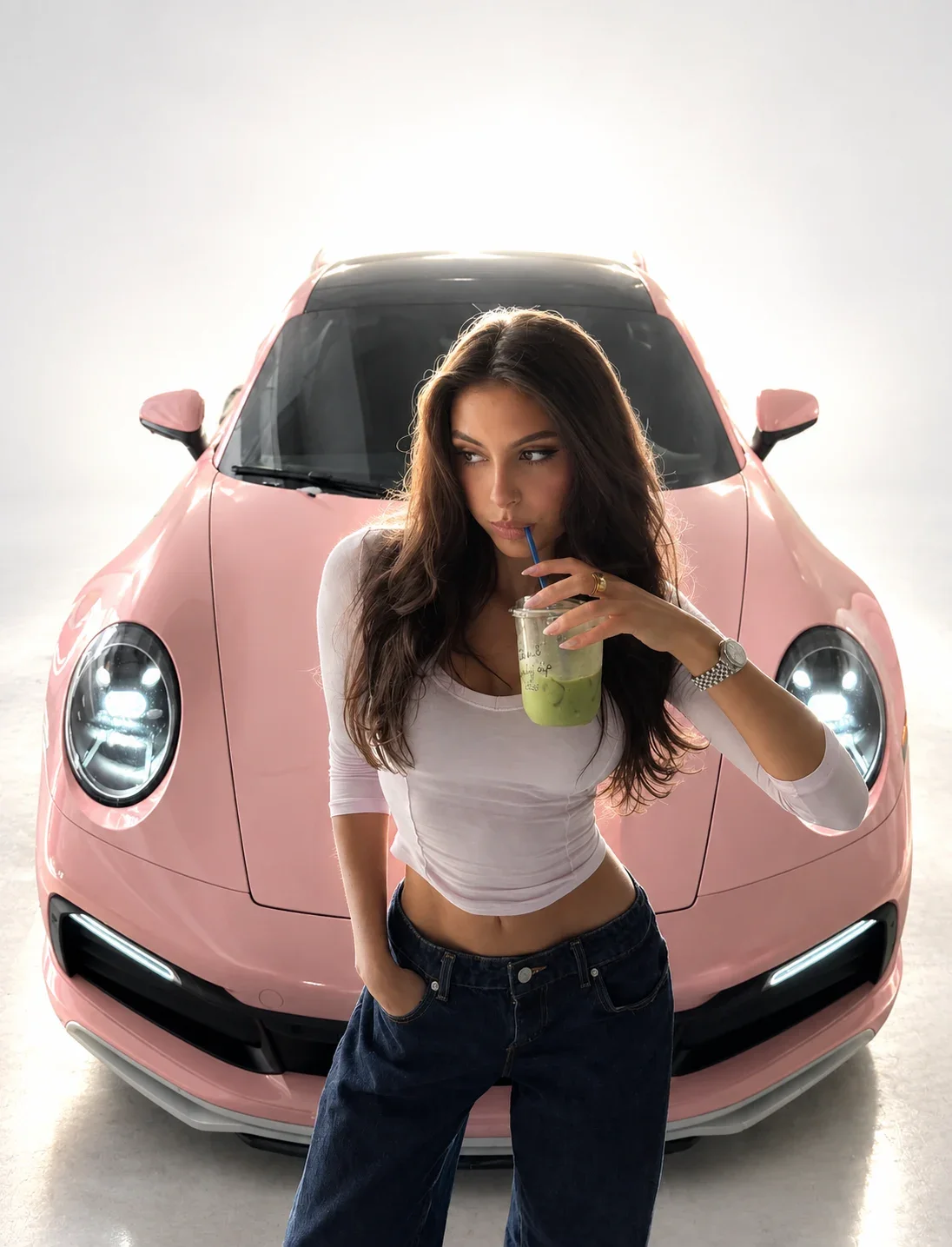
- An uncluttered background, or one with a few bold shapes like a car, palm trees or a storefront.
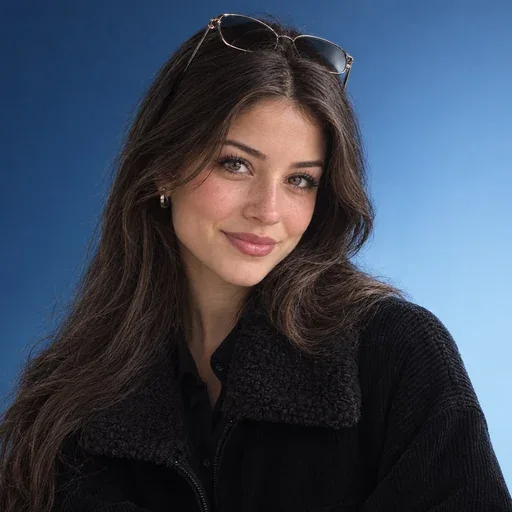
- Your own photo, or one of a friend who has agreed to be repainted.
When the painting slides toward plastic or anime
If the skin turns glossy and doll-like, ask for more visible brushwork in the midtones in a follow-up. If the face drifts toward an anime look, repeat that the style is semi-realistic and that proportions should stay true to the photo.
Hair is the other weak spot. The prompt asks for defined locks and tapered strands; if you get a helmet of hair, point at that phrase and ask for fewer, larger strands with clean ends.
Can I use this for a group photo?
Yes, but two or three people work best. With larger groups the faces get smaller and the sculpted planes lose detail, so crop tighter first.
Will it copy logos from the game it is inspired by?
No logos are requested, and you should keep it that way. The title describes an art direction, not a brand asset, so the result is your own painted portrait in that mood.
What is this style good for?
Profile pictures, gaming channel banners, a cover for a highlight reel or a poster-sized print of a road trip photo all suit the painted key-art feel.
Learn AI Academy
Aprende IA con Visual AI Club
Copia prompts que funcionan y luego aprende por qué funcionan. La Learn AI Academy enseña a crear imágenes y vídeos con IA paso a paso: escribir prompts, luz y cámara, personajes consistentes, fotos de producto y dirigir un cortometraje con Seedance.
- Aprende a crear imágenes con IA
- Aprende vídeo con IA
- Aprende a escribir prompts
- Curso de IA para creadores