
Black Friday SaleEnds in0 00:00:00
PromptOpen ChatGPT
Absurdist Plasticine for ChatGPT
Created by Visual AI Club and tested before it was published.
Press Copy below to get the complete prompt in one click.
Then follow the steps in the guide on this page for a close match.
+18 more lines · Copy gets the full text
20
96
Prompt guide
Absurdist Plasticine
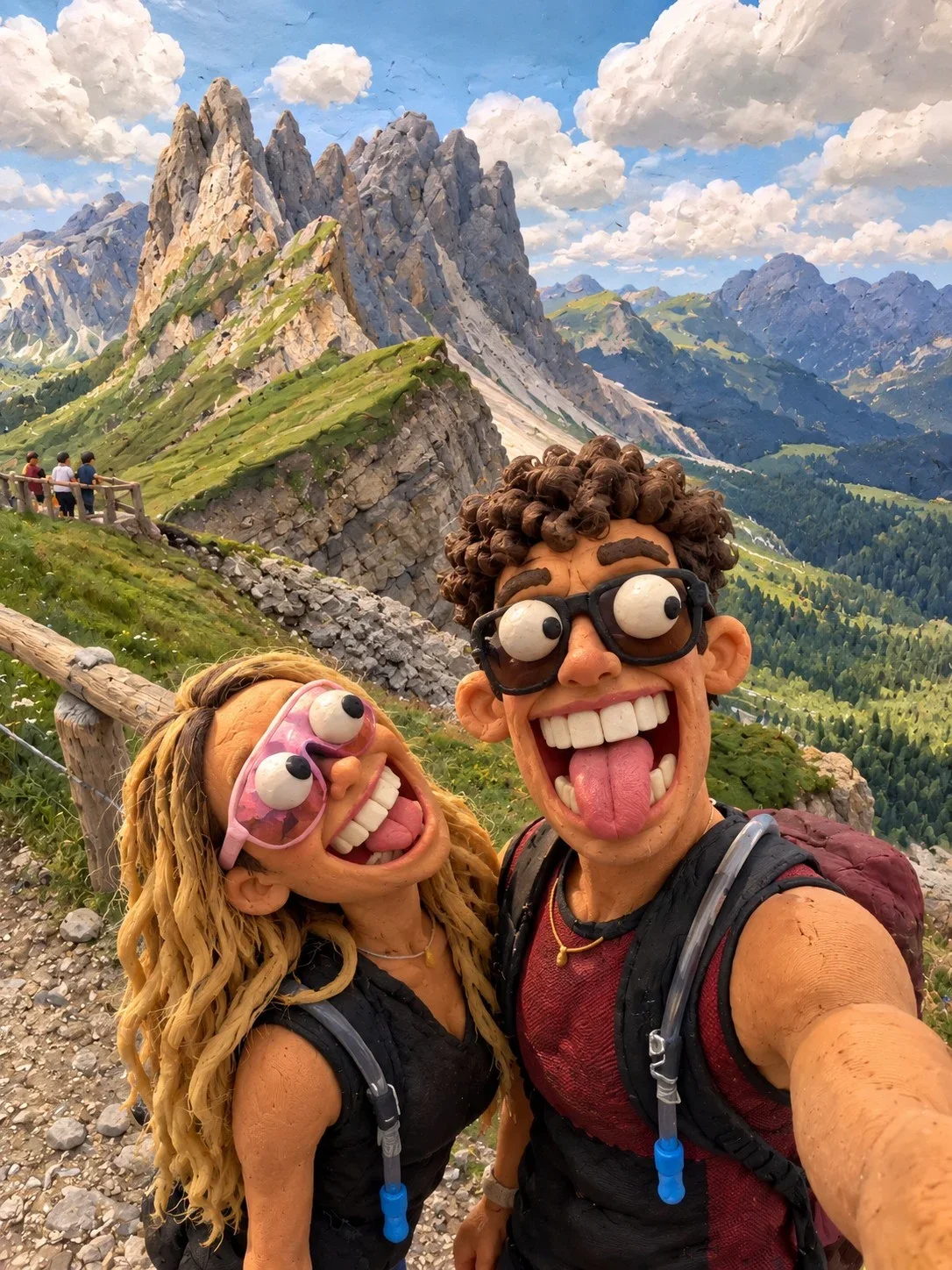
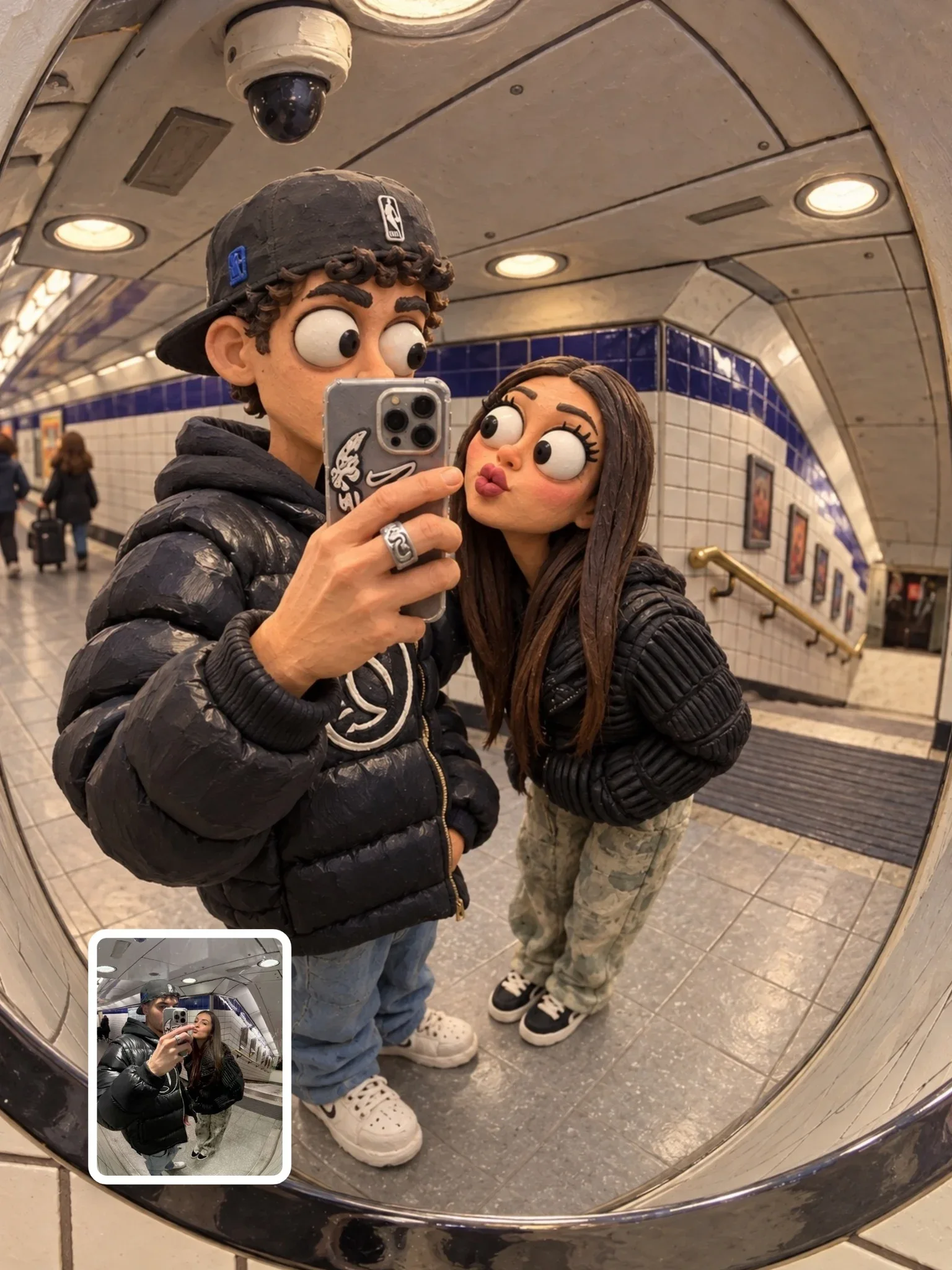
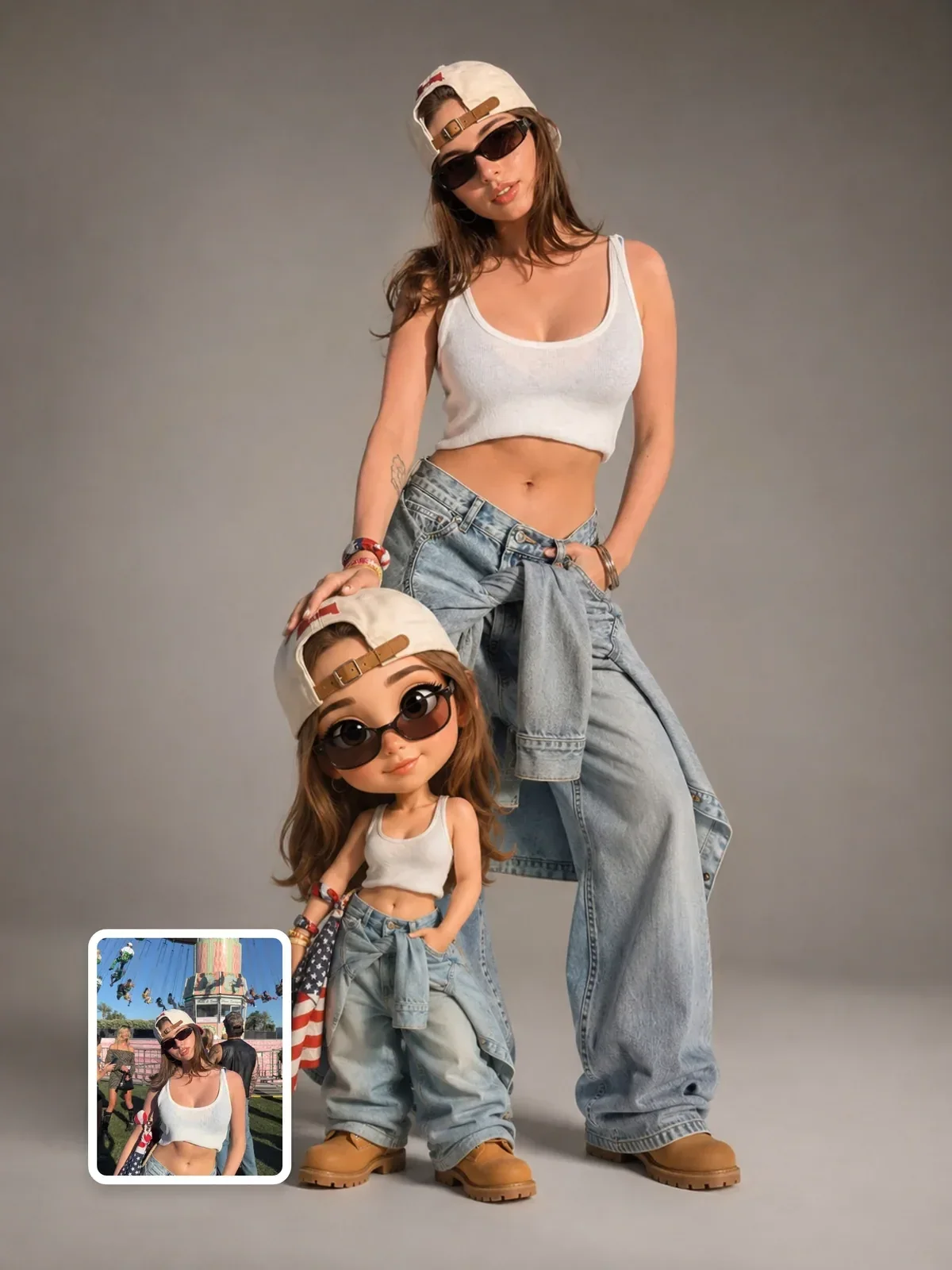
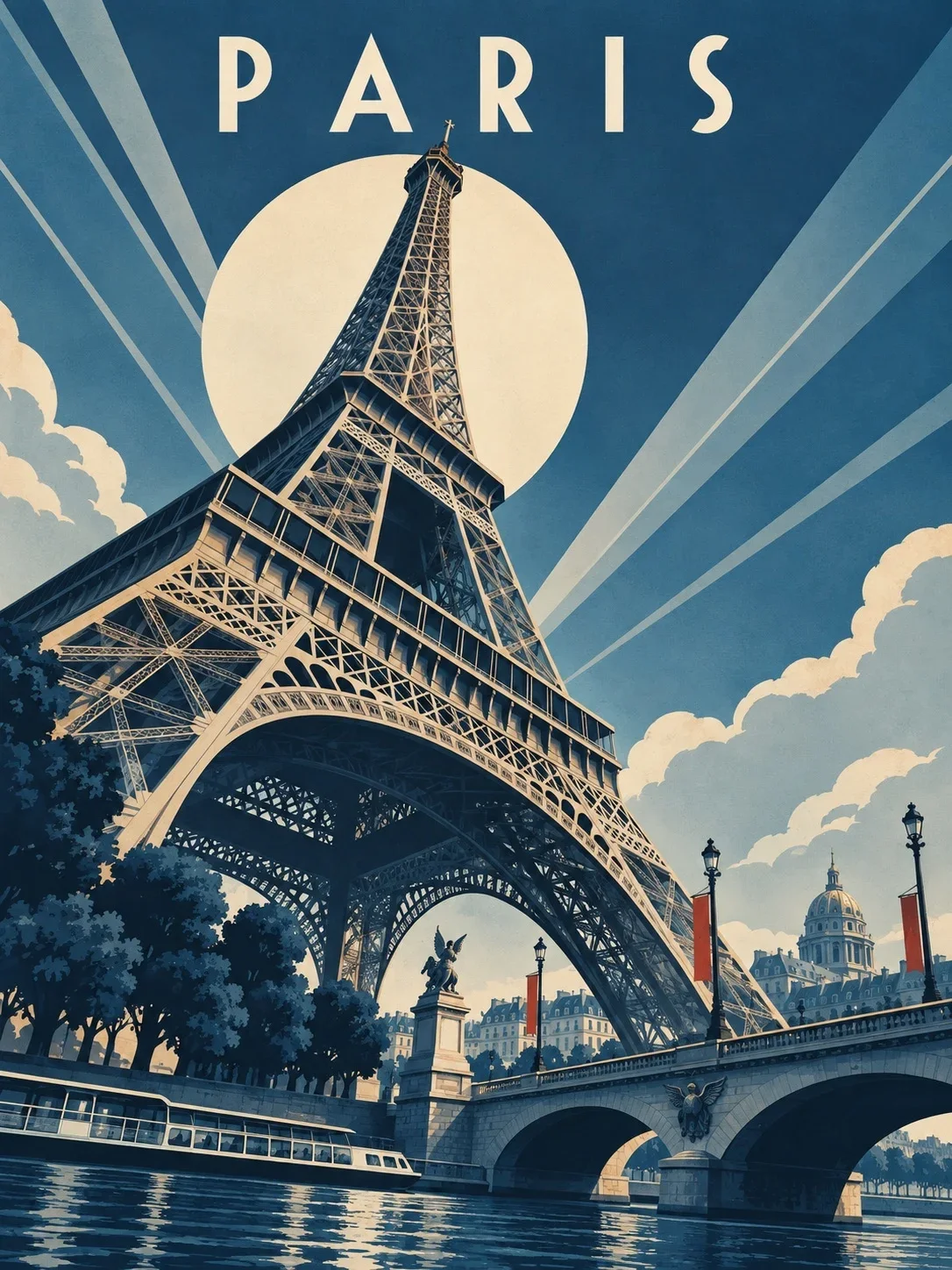
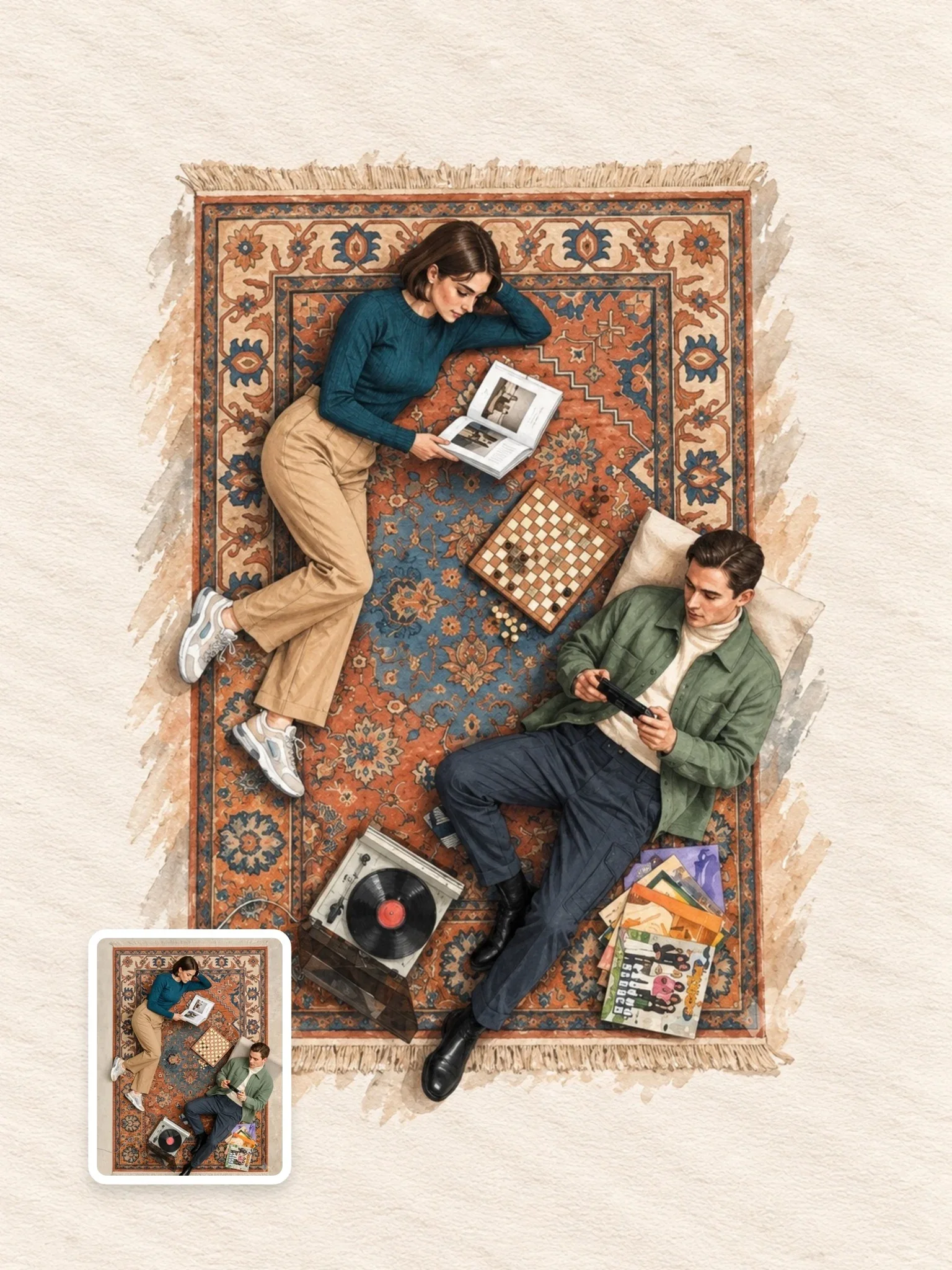
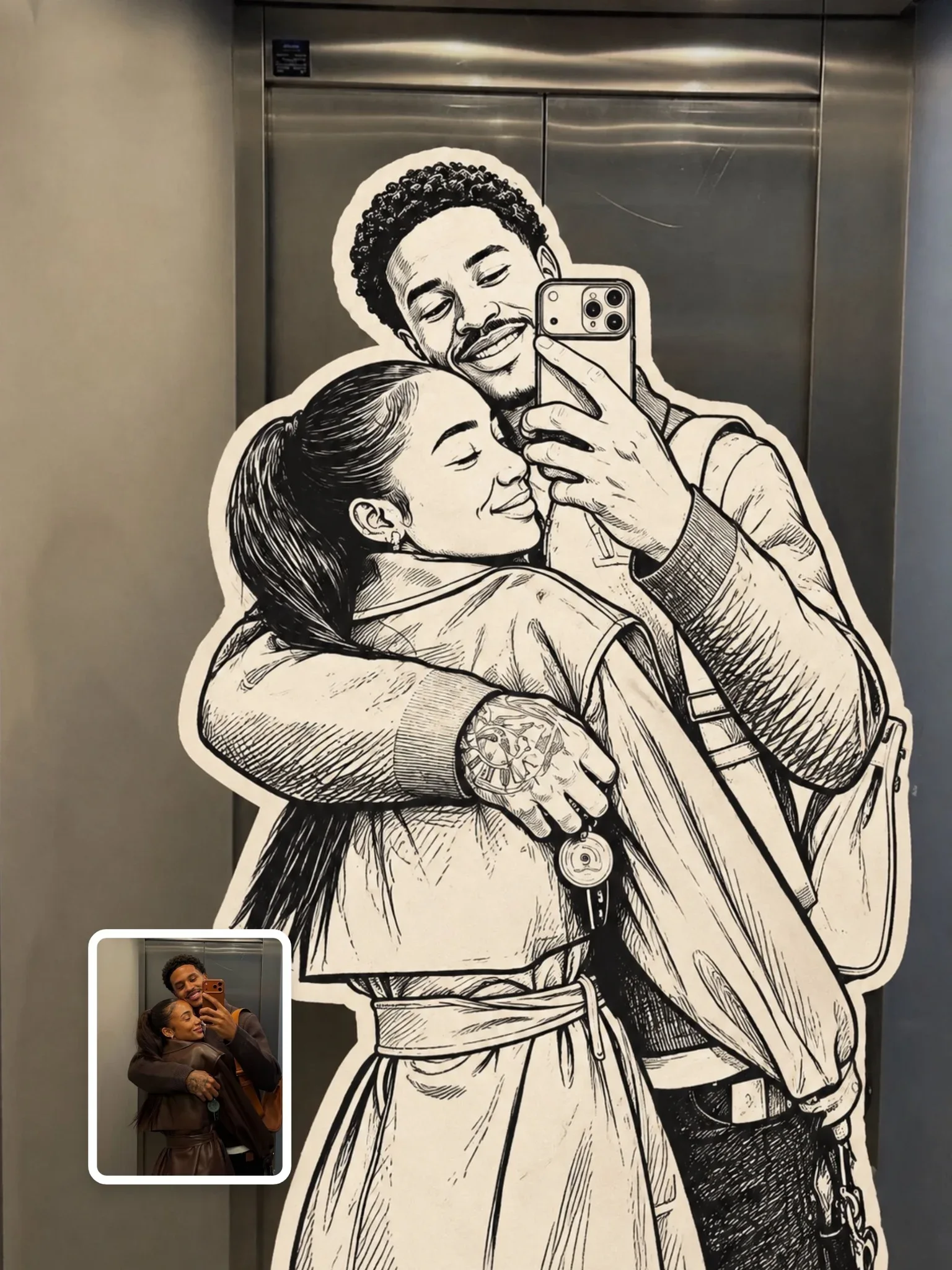
A 4:5 transformation that turns an entire photo, people and surroundings alike, into a sculpted plasticine diorama with wildly caricatured clay characters. Objects stay exactly where they were, so busy scenes such as a dinner table or a street corner turn into detailed, surreal clay sets.
By the Visual AI Club team · How these guides are written
You need
- Tool
- ChatGPT
- Input
- A photo packed with objects: a kitchen, picnic or busy desk
- Works best with
- Crowded scenes where each item can become its own clay piece
- You get
- A 4:5 plasticine diorama with every object in its original spot
Steps
Use the busiest frame you have
A market stall or a desk covered in gadgets lets each item become its own crooked, thumb-marked sculpture.
Note the small items you care about
Crowded scenes sometimes lose a mug or a set of keys, so know which ones must survive before running it.
Line the result up with your original
The layout lock should match your photo almost object for object, which makes a merged or missing item easy to spot.
If this happens
Do this
If this happens
Two items merged or one vanished
Name the missing object in a follow-up and say where it sits in the frame.
A sign's word became clay squiggles
If the word matters, ask for it sculpted as short raised clay letters.
It looks like a smooth 3D game
Repeat the DO NOT list, especially the line against smooth CGI geometry.
An empty room came out quiet
That is normal; sparse photos give the clay fewer surfaces, so pick a fuller scene.
If you want
Rougher, older clay
micro-cracks, seams and sculpting debris on every surfaceIf you want
A more lopsided set
every lamp, shelf and table leaning slightly, no symmetryDetailed guide
Strict layout, loose materials
The COMPOSITION LOCK is unusually firm: same framing, camera angle, scale, rotation and position for every object, with nothing moved, added, removed or duplicated. The model is free to change only the material and the character design.
That pairing is why the result looks like someone rebuilt your photo by hand. A table, a lamp or a parked bike keeps its place, but its edges turn crooked and its surfaces carry thumb marks.
Scenes with lots of stuff in them
This version shines on photos packed with objects: a crowded kitchen, a picnic, a market stall, a desk covered in gadgets. Each item becomes its own little sculpted piece, which gives the poster tag its meaning; there is a lot to look at.
Very empty photos work too, but the effect is quieter, since the clay detail has fewer surfaces to show off.
Material checklist the prompt asks for
- Heavy matte plasticine, never glossy plastic.
- Uneven, crooked shapes instead of perfect symmetry.
- Fingerprints, nail marks, seams, dents and micro-cracks.
- Tiny bits of dust, lint and sculpting debris pressed into the surface.
- Soft studio light that shows the texture without shine.
Typical failures in crowded scenes
With many objects, the model sometimes merges two items into one or quietly drops a small one. If something important is missing, name it in a follow-up and say where it sits in the frame.
Text on signs or packaging often turns into clay squiggles. That suits the style, but if a word matters, ask for it to be sculpted as raised clay letters and keep it short.
If the scene starts to look like a smooth 3D game, repeat the DO NOT list, especially the line against smooth CGI geometry.
Questions people ask
Does it work on photos without people?
Yes. Rooms, food and street scenes become charming clay sets. The character rules simply have nothing to apply to.
Where is this useful?
A playful poster of a family trip, an odd but memorable thumbnail, or a surprise remake of a favorite group photo for a friend's birthday.
How is this different from simply asking for claymation?
A plain claymation request lets the model redesign the scene freely. Here the layout is locked, so the clay version lines up with your original almost object for object.
 Next prompt · ChatGPTGTA VI Artwork PromptOpen



Learn AI Academy
Learn AI with Visual AI Club
Copy prompts that work, then learn why they work. The Learn AI Academy teaches AI image and AI video creation step by step: writing prompts, light and camera, consistent characters, product shots and directing a short film with Seedance.
Open the Learn AI Academy