
Black Friday SaleEnds in0 00:00:00
PromptOpen ChatGPT
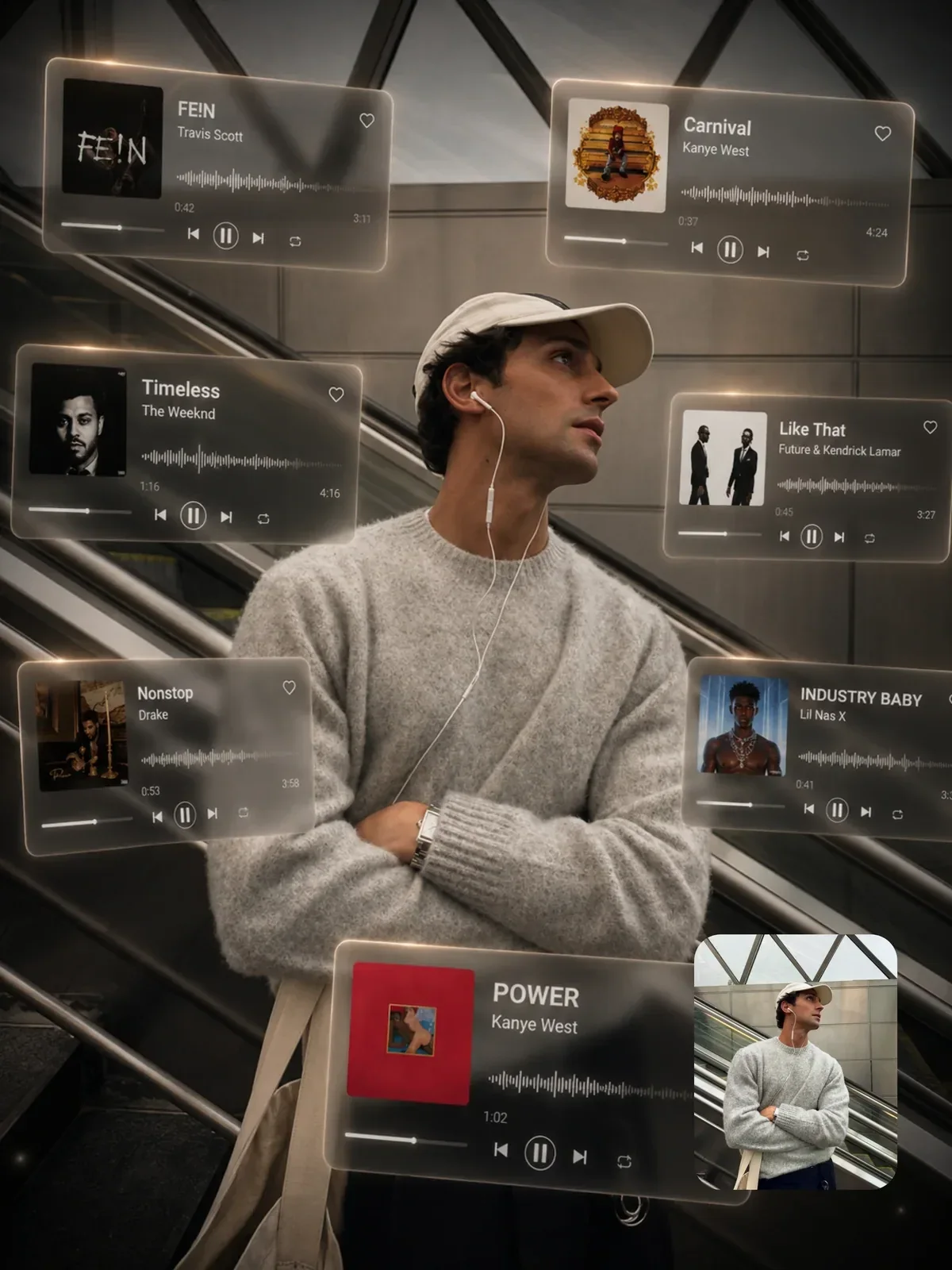
AR music player experience portrait for ChatGPT
Created by Visual AI Club and tested before it was published.
Press Copy below to get the complete prompt in one click.
Then follow the steps in the guide on this page for a close match.
+29 more lines · Copy gets the full text
Your turn — fill the blanksType below; your words replace the highlighted parts when you copy.
17
91
Prompt guide
AR music player experience portrait
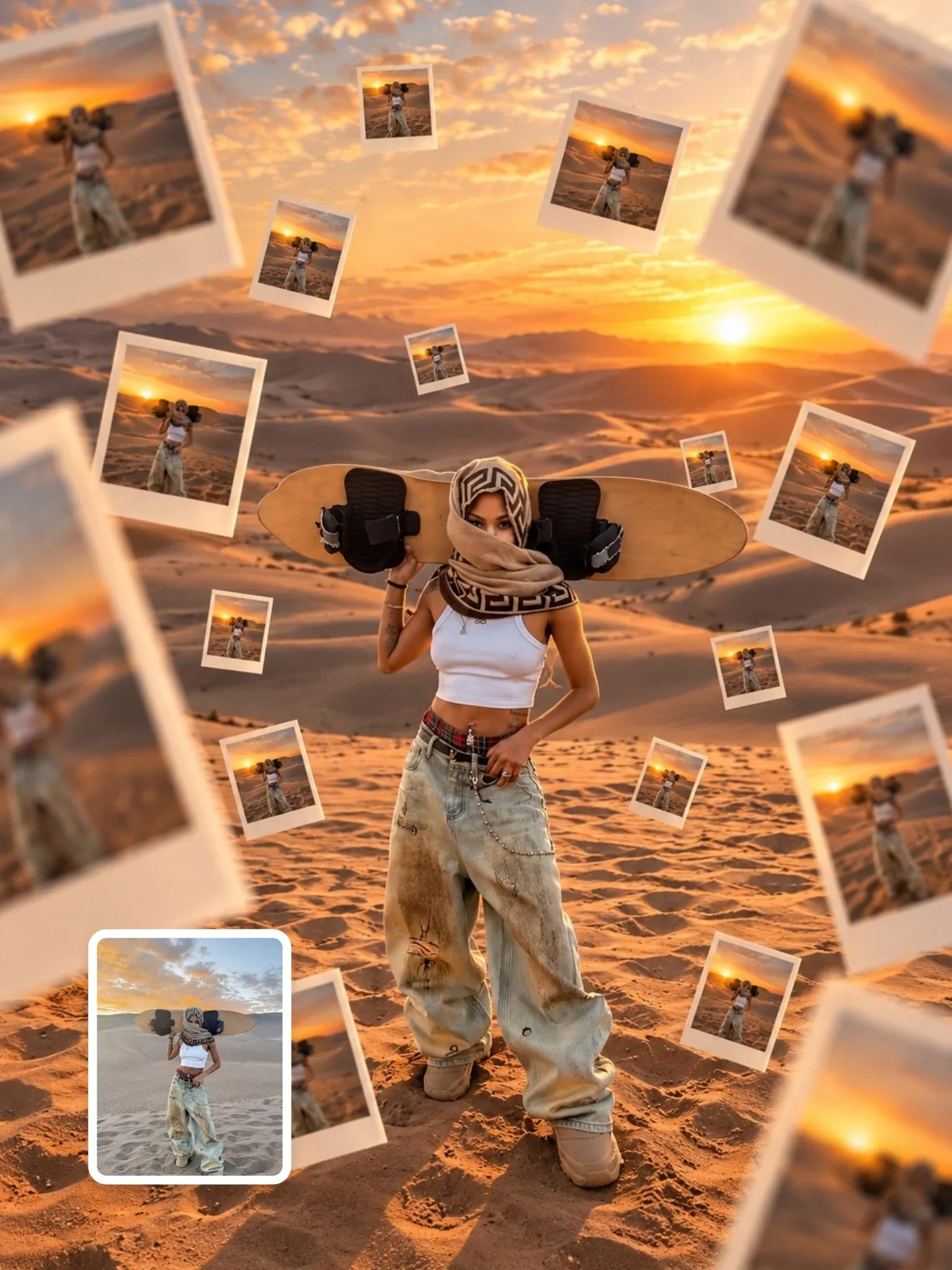
Surrounds you with floating, frosted-glass music player cards, each showing a song you choose, with play buttons, progress bars and waveforms. Some cards drift in front of you and blur slightly, others hang behind, so it feels like a glimpse through augmented-reality glasses.
By the Visual AI Club team · How these guides are written
You need
- Tool
- ChatGPT
- Input
- A photo of yourself with some empty space around you
- Works best with
- Soft natural light; headphones, vinyl or a guitar if you have them
- You get
- You among floating frosted-glass song cards, like an AR glimpse
Steps
Trim the playlist to four or five songs
Seven long titles crowd the frame, so keep each under about five words, or title and artist with a dash.
Drop titles full of punctuation
Those are the first to come out garbled, and replacing one is quicker than rerunning the whole set.
Proofread the in-focus cards
Blurred background panels can hide small slips, so read the sharp ones nearest your face letter by letter.
If this happens
Do this
If this happens
It looks like a busy screen collage
Ask for fewer cards with more space between them.
A card covers your face
Use a photo with more empty space around you so the cards can orbit.
One song title keeps failing
Swap that title for another rather than regenerating everything.
Album covers show made-up art
That is intended: the prompt asks for placeholders to avoid copying real album designs.
If you want
A themed glow
make the glass cards glow in soft violetIf you want
A year-in-review post
my most played tracks in order, the first card closest to the cameraIf you want
A podcast version
fill the cards with podcast episode names instead of songsDetailed guide
Your playlist, made visible
Seven {{Song}} slots turn the image into a personal statement: a favorite album, a road-trip mix or the tracks that defined a year. Each one becomes its own card with an album-art placeholder.
Fewer is often better. Seven cards with long titles can crowd the frame, and every extra line of text is another chance for spelling errors. Four or five short titles usually give a cleaner portrait.
Keeping the text readable
- Write each entry as a short song title, or title and artist separated by a dash, kept under about five words.
- Avoid very long or punctuation-heavy titles; they are the first to come out garbled.
- Check the focused cards closely; blurred background cards can hide small errors.
- If one title keeps failing, swap it out rather than rerunning the whole set many times.
Depth is what sells the AR effect
The DEPTH and MOTION section asks for foreground cards slightly out of focus and background cards softly blurred, with you sharp in the middle. That layered focus is how a camera would see objects at different distances, so it makes the floating panels feel physically present.
The lighting is deliberately plain, with no dramatic effects, so the glowing edges of the glass panels become the main light accents. If your result looks like a busy screen collage, ask for fewer cards and more space between them.
Best source photos
- Portraits with some empty space around you, so cards can orbit without covering your face.
- Headphones, a vinyl record or a guitar in the photo tie the theme together nicely.
- Soft, natural light, which the prompt asks to keep rather than replace.
- A photo of yourself; the identity and pose are carried over unchanged.
Ideas beyond a playlist
The cards do not have to be songs. You can fill the slots with podcast episode names, the tracks from a band you play in, or the songs from a wedding first dance and reception. For a year-in-review post, list your most played tracks of the year in order and ask for the first card to sit closest to the camera.
Questions people ask
Will the album covers show real artwork?
The prompt asks for placeholders, so the model invents simple cover art. That keeps the image clean and avoids copying real album designs.
Can I theme the colors?
Yes. Add a short line asking for the glass cards to glow in one color, such as soft violet or warm amber, to match a mood or a profile theme.
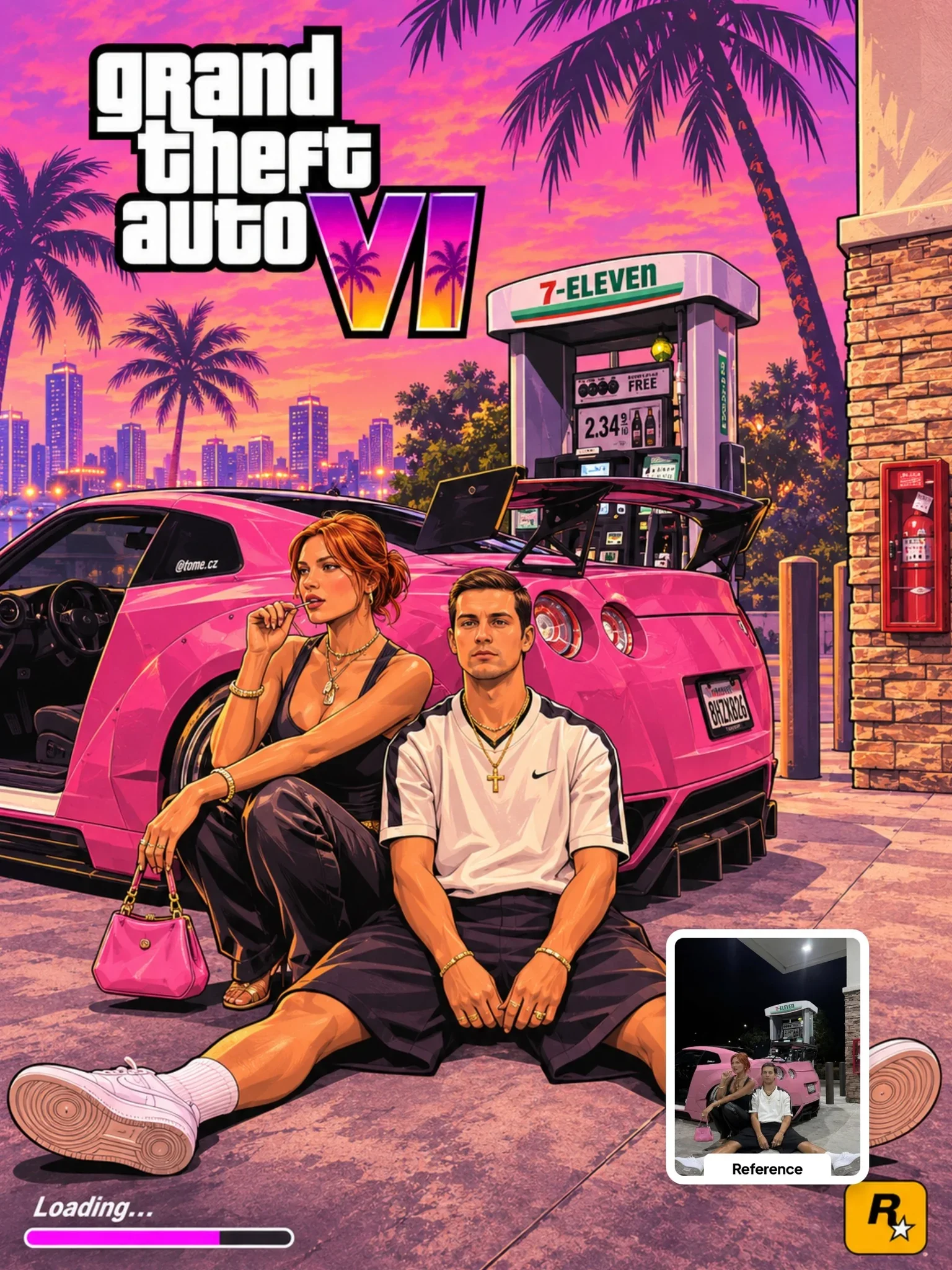 Next prompt · ChatGPTGTA VI Artwork PromptOpen

Learn AI Academy
Learn AI with Visual AI Club
Copy prompts that work, then learn why they work. The Learn AI Academy teaches AI image and AI video creation step by step: writing prompts, light and camera, consistent characters, product shots and directing a short film with Seedance.
Open the Learn AI Academy