Black Friday SaleEnds in0 00:00:00
PromptOpen ChatGPT
Mixed-media magazine poster portrait
A Visual AI Club ChatGPT image prompt, ready to use.
Use the Copy button below for the full text, then run it in ChatGPT.
Learn the craft behind it in the guide and in Learn AI Academy.
+17 more lines · Copy gets the full text
Your turn — fill the blanksType below; your words replace the highlighted parts when you copy.
12
96
Prompt guide
Mixed-media magazine poster portrait
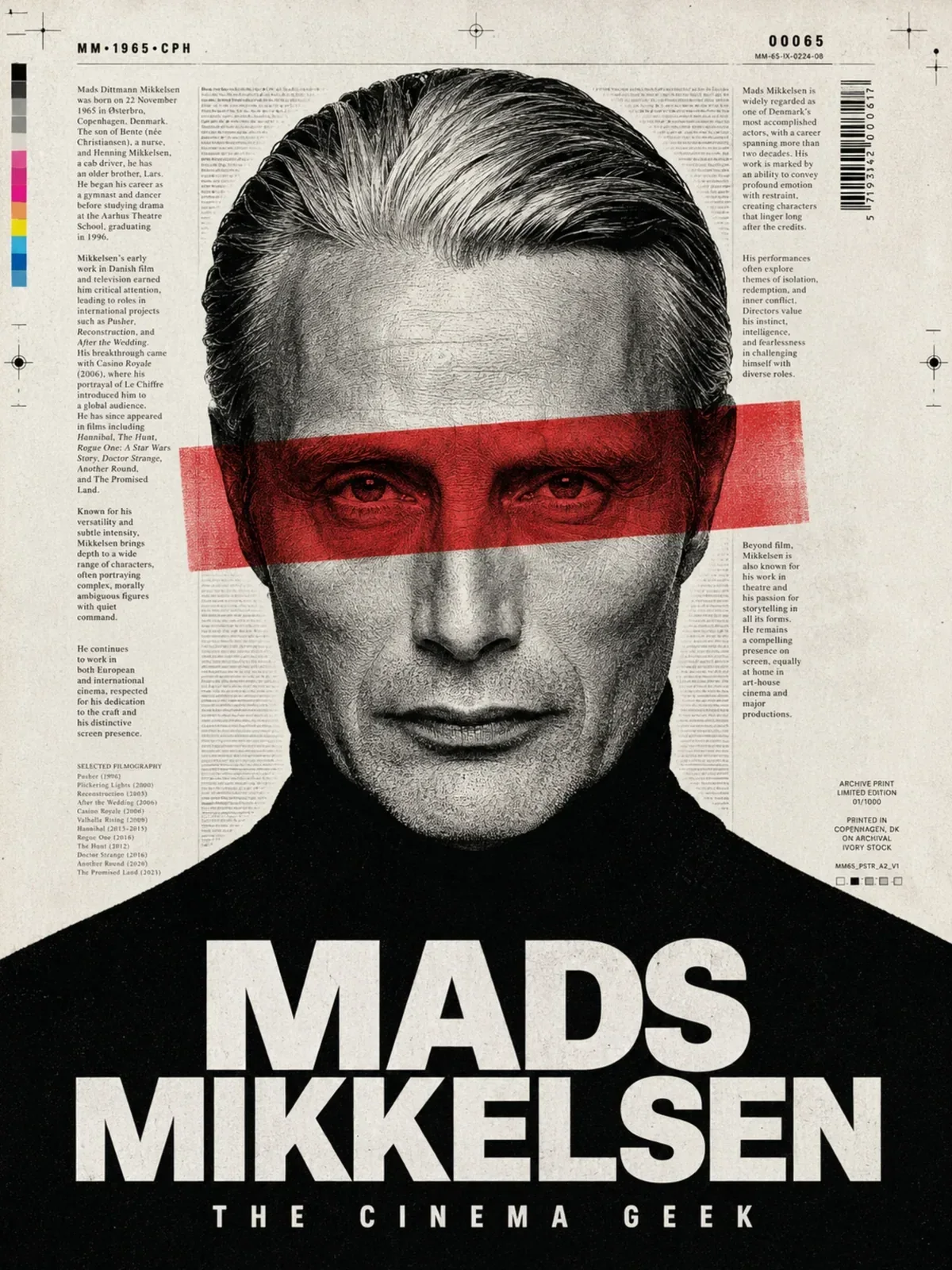
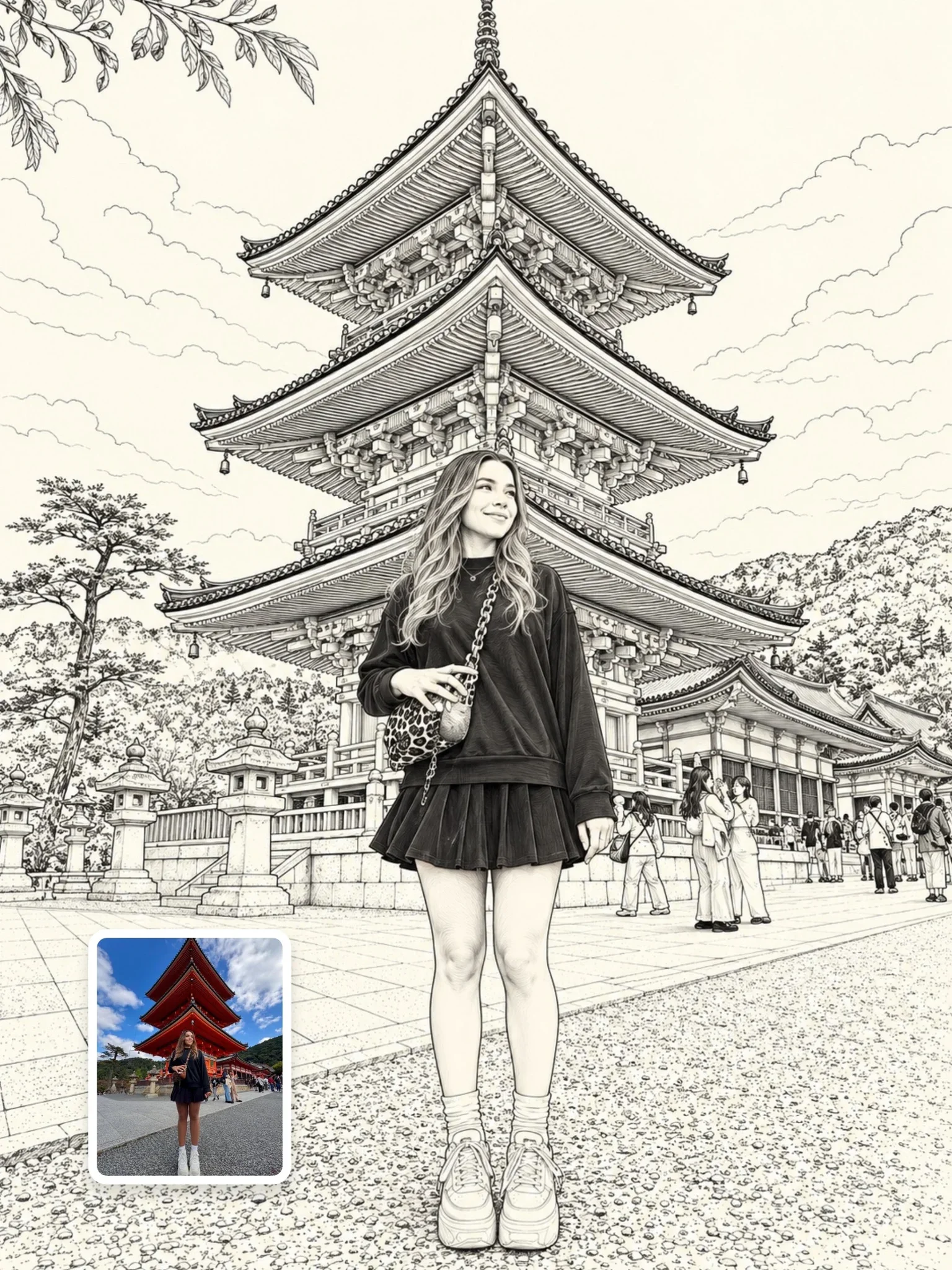
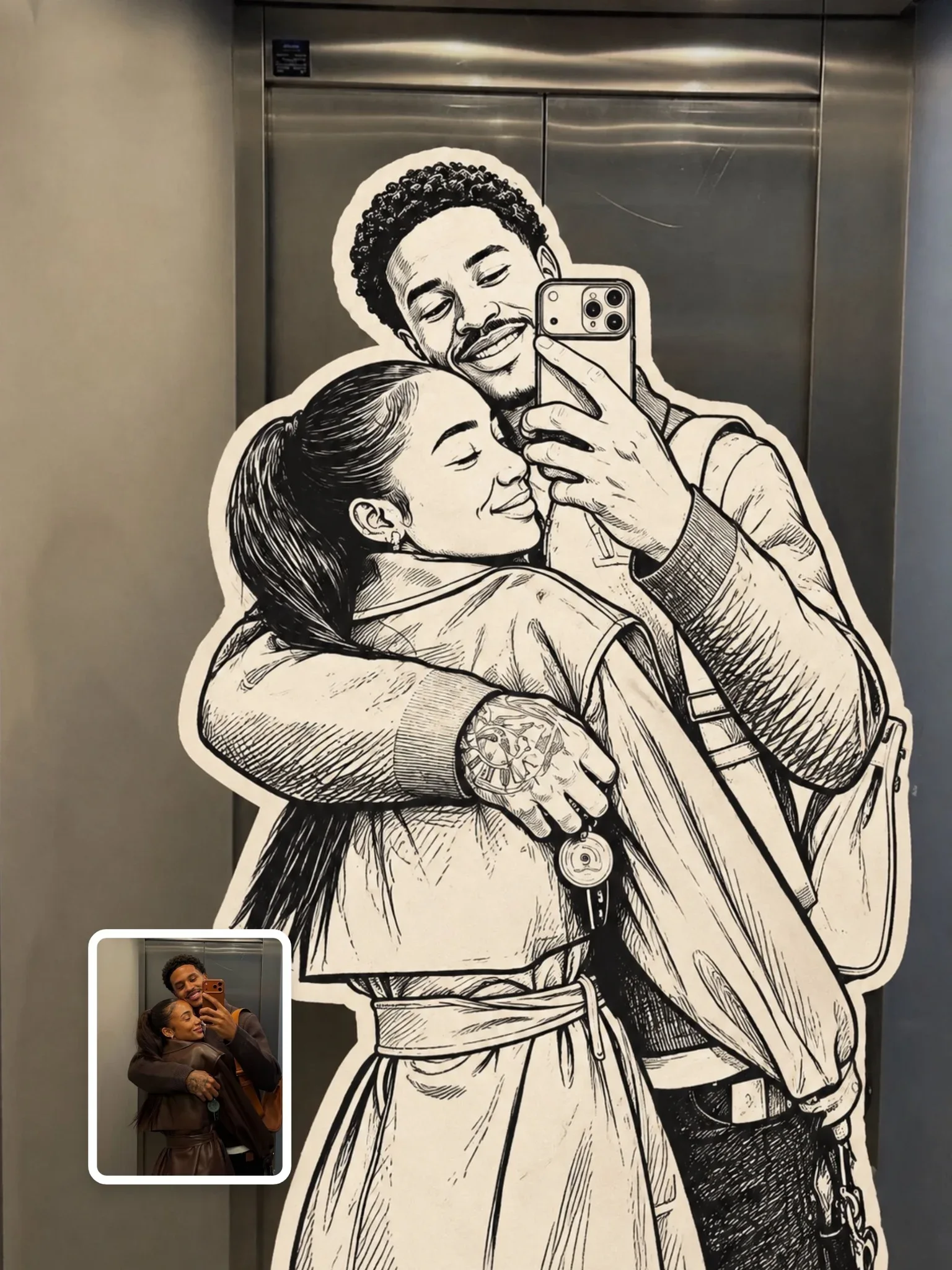
This prompt builds a 4:5 vintage magazine poster: a cross-hatched black ink portrait on cold ivory paper packed with tiny newspaper columns, a see-through colored bar over the eyes, and a huge white name set across black clothing at the bottom. Everything is monochrome except that one translucent strip, which is what makes the result read as print design rather than a plain illustration.
By the Visual AI Club team · How these guides are written
You need
- Tool
- ChatGPT
- Input
- The six blanks filled in, plus your own photo if the face is you
- Works best with
- A short name, a quiet one-word mood and textured hair or a beard
- You get
- A 4:5 cross-hatched ink poster with one translucent color bar
Steps
Spend the color budget on one strip
The eye bar is the poster's only color, so pick a saturated value like signal red or cobalt that holds up against dense hatching.
Keep the title name to one or two words
The name returns as a giant white title across the black clothing, and long full names tend to wrap or shrink.
Give the ink something to hatch
Stubble, a full beard or textured hair produce richer cross-hatching than a smooth bob, so describe them in the hair blank.
If this happens
Do this
If this happens
The color bar hides the eyes
Ask again for the eyes to stay visible through the strip, like vellum laid over ink.
The paper drifted toward sepia
Add neutral off-white, cool gray undertone near the end of the prompt.
It came out as a photo, not ink
Repeat monochrome ink drawing and mention stippling and cross-hatching once more.
The title is cut off at the bottom
Remind it that the clothing runs to the bottom edge and the title sits on top of it.
If you want
A club flyer mood
set the highlight color to acid yellow-greenIf you want
A fashion-magazine edge
use hot magenta for the translucent eye barIf you want
A protest-poster feel
make the eye bar signal redDetailed guide
One translucent strip carries the whole color budget
The eye bar is the only color in the image, so the value you put in {{Highlight Color}} decides the mood more than anything else. The prompt asks for it to behave like vellum with a multiply blend, which means the ink lines and background text should still show through it, the way a real overprinted screen-print layer would.
Saturated, slightly industrial colors work best because they hold up against dense black hatching. Pale pastels tend to vanish into the ivory paper.
- Signal red feels like a political or protest poster.
- Safety orange reads as technical, almost like a warning label.
- Cobalt blue looks cooler and more literary.
- Acid yellow-green pushes it toward a club flyer or music zine.
- Hot magenta gives a fashion-magazine edge.
Filling the six blanks without breaking the layout
{{Character Name}}appears twice: as the subject and as the giant title. One or two short words fit cleanly; a long full name may wrap or shrink.{{Expression}}works best as one quiet word such as wry, unbothered, defiant or tired. Big emotions fight the editorial stillness.{{Hair Facial Hair}}gives the ink something to hatch. Textured hair, stubble or a full beard produce richer linework than a smooth bob.{{Black Clothing}}must be a solid dark mass, because the white title sits on it. A turtleneck, a leather jacket or a black blazer all work.{{Subtitle}}is set small and widely spaced, so keep it to two to four words: a role, a city and year, or a short motto.
Why the paper is told three times not to turn yellow
Image models love to age paper into warm sepia, and that instantly makes the poster look like a generic vintage filter. A cold ivory base keeps the black ink crisp and lets the colored bar stay the only warm or saturated note. If your result still drifts toward beige, add a short line such as neutral off-white, cool gray undertone near the end.
The registration marks, barcode, crop marks and color test strip are small, but they are what make the sheet feel like a press proof rather than a drawing.
Common slips and how to steer them back
- Opaque bar: if the eyes disappear, ask again for the eyes to remain visible through the color.
- Misspelled title: shorten the name, or regenerate. Only the title and subtitle need to be legible; the background columns are texture.
- Photo instead of ink: repeat
monochrome ink drawingand mention stippling and cross-hatching once more. - Cropped type: remind it that the clothing runs to the bottom edge and the title sits on top of it.
Questions people ask
Can I make this poster of myself?
Yes. Attach your own photo and add a line telling ChatGPT to use it as the face reference, then put your name in {{Character Name}}. For anyone else, use a photo of someone who has agreed. An original fictional character also works well.
Will the small background text say anything real?
Usually not. The columns are meant to read as dense editorial texture from a distance. Rely on the title and subtitle for actual words.
Is 4:5 good for printing?
It matches 8x10 and 16x20 inch frames, so it prints neatly and also fits an Instagram portrait post.
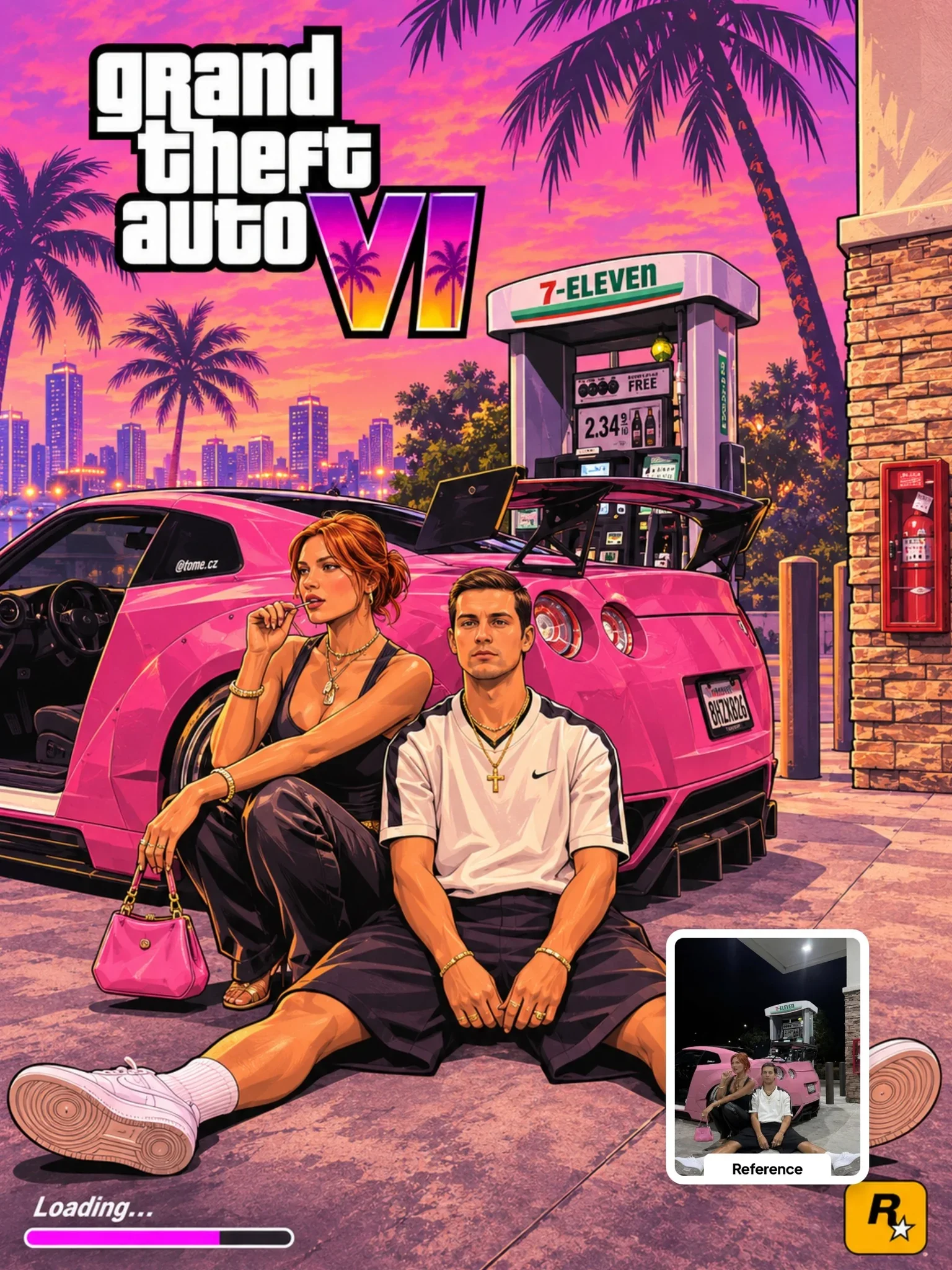 Next prompt · ChatGPTGTA VI Artwork PromptOpen
Learn AI Academy
Learn AI with Visual AI Club
Copy prompts that work, then learn why they work. The Learn AI Academy teaches AI image and AI video creation step by step: writing prompts, light and camera, consistent characters, product shots and directing a short film with Seedance.
Open the Learn AI Academy