Ratgeber
Ratgeber für KI-Bilder und -Videos
Ausführliche, praktische Ratgeber zu Prompts, Licht, Objektiven, Stilen und Video, geschrieben vom Club und mit den Prompts unserer Bibliothek getestet.
Dieser Ratgeber ist auf Englisch geschrieben.
Bild-Prompts
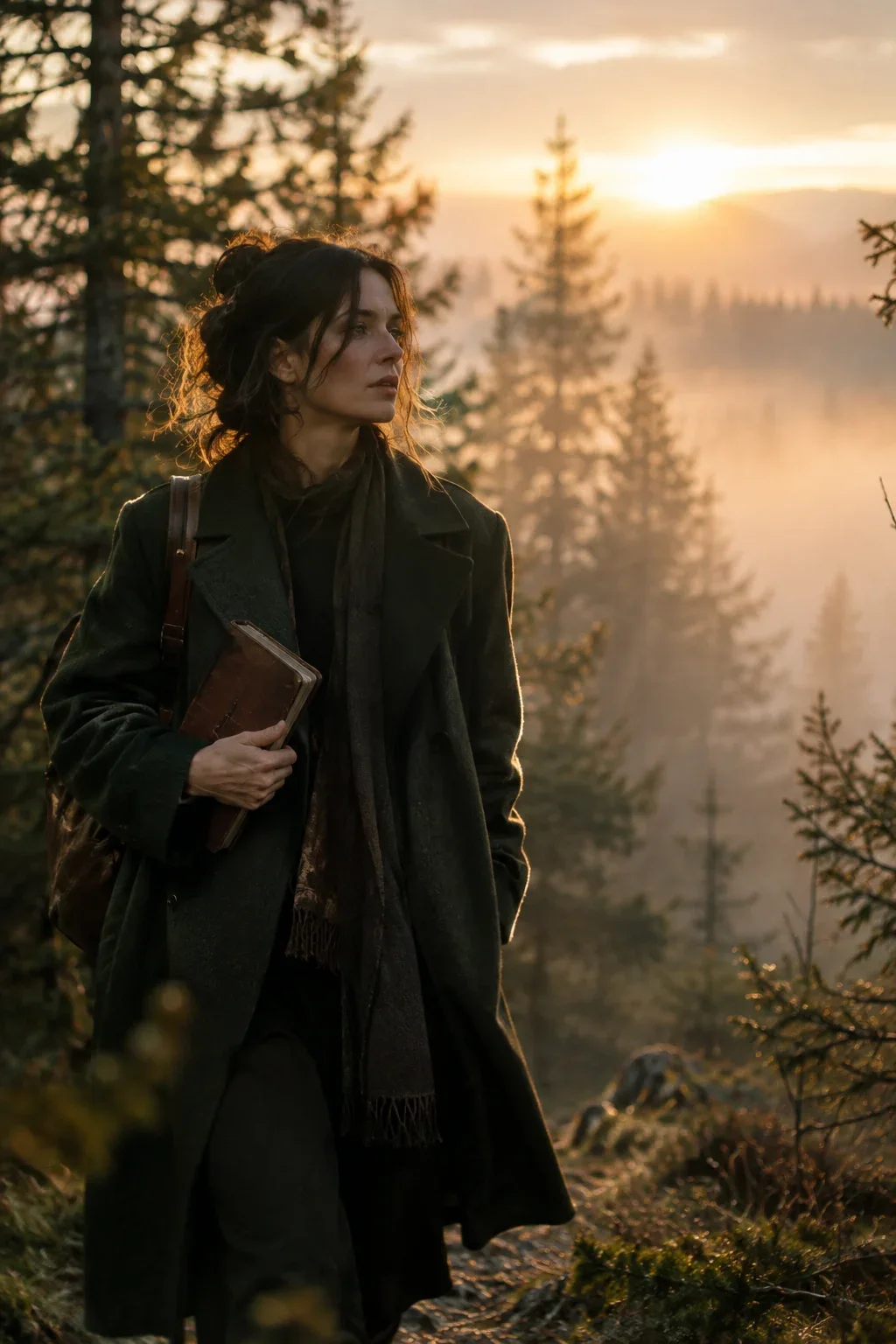
How to Write AI Image Prompts That Actually Work
Write AI image prompts like a clear brief: decide the picture first, use plain sentences, lead with the subject, swap vague words for visible details.
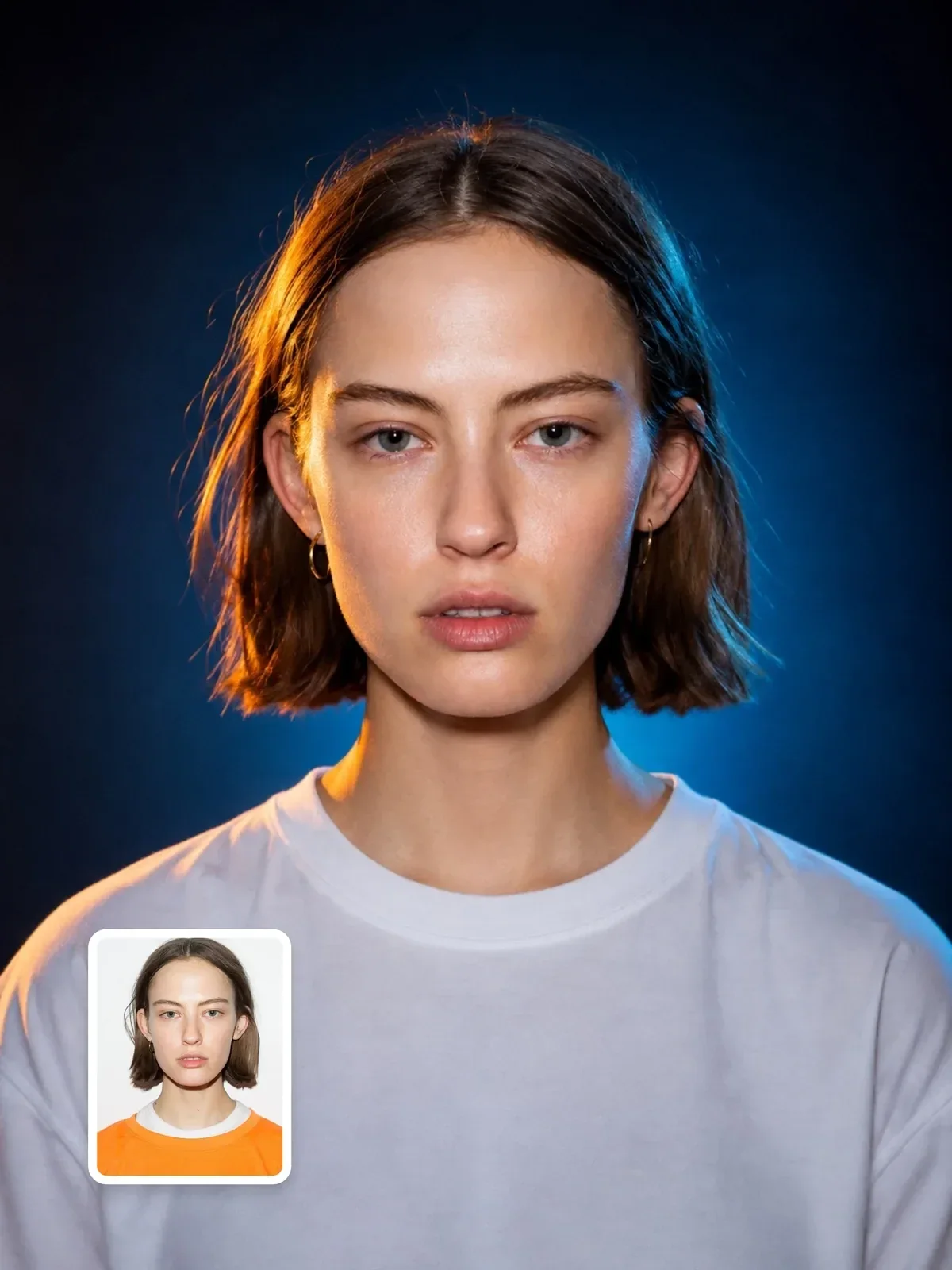
The Anatomy of a Great Image Prompt: Subject, Scene, Style, Light, Camera
Break any image prompt into five layers: subject, scene, style, light and camera. Learn what each layer controls and how to fix layers that contradict.
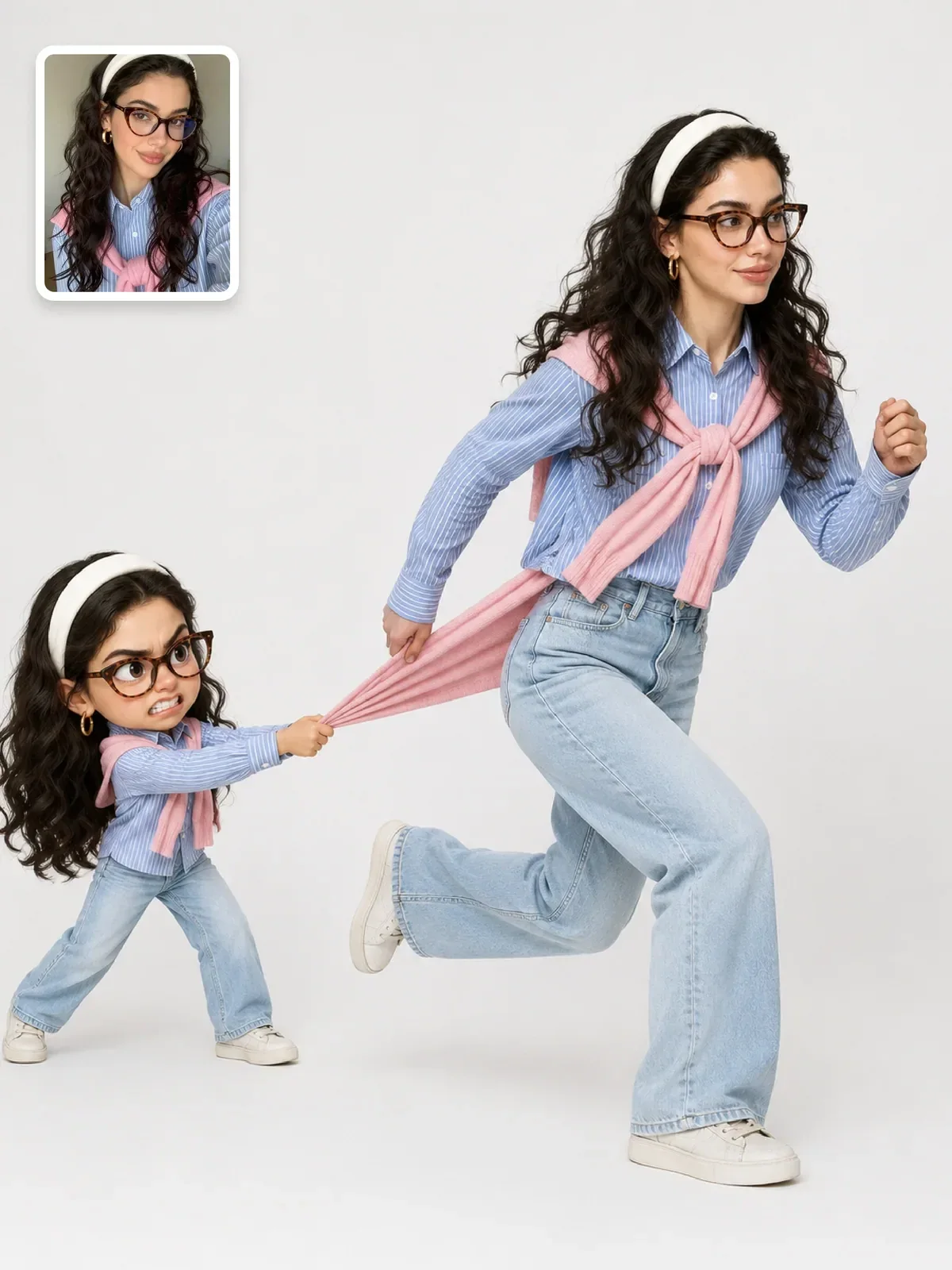
ChatGPT Image Generation: A Practical Guide to Better Results
A working routine for ChatGPT image generation: a strong first message, labeled reference photos, targeted follow-up edits, and when to start a fresh chat.
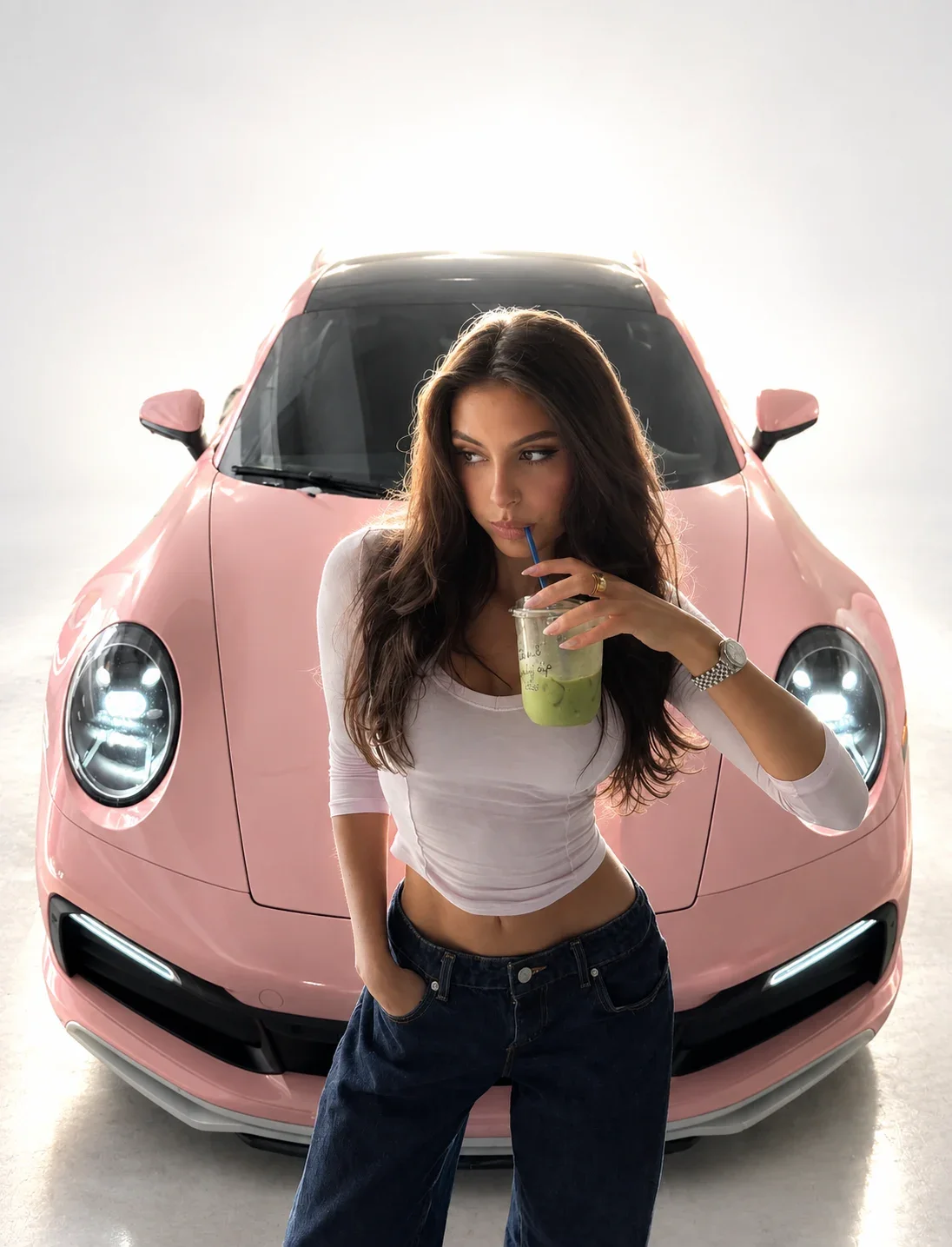
Editing Your Own Photos With ChatGPT: Keep the Person, Change the World
Swap backgrounds, relight and restyle your own photos with ChatGPT while the person stays the same. Match light direction, color and camera height.
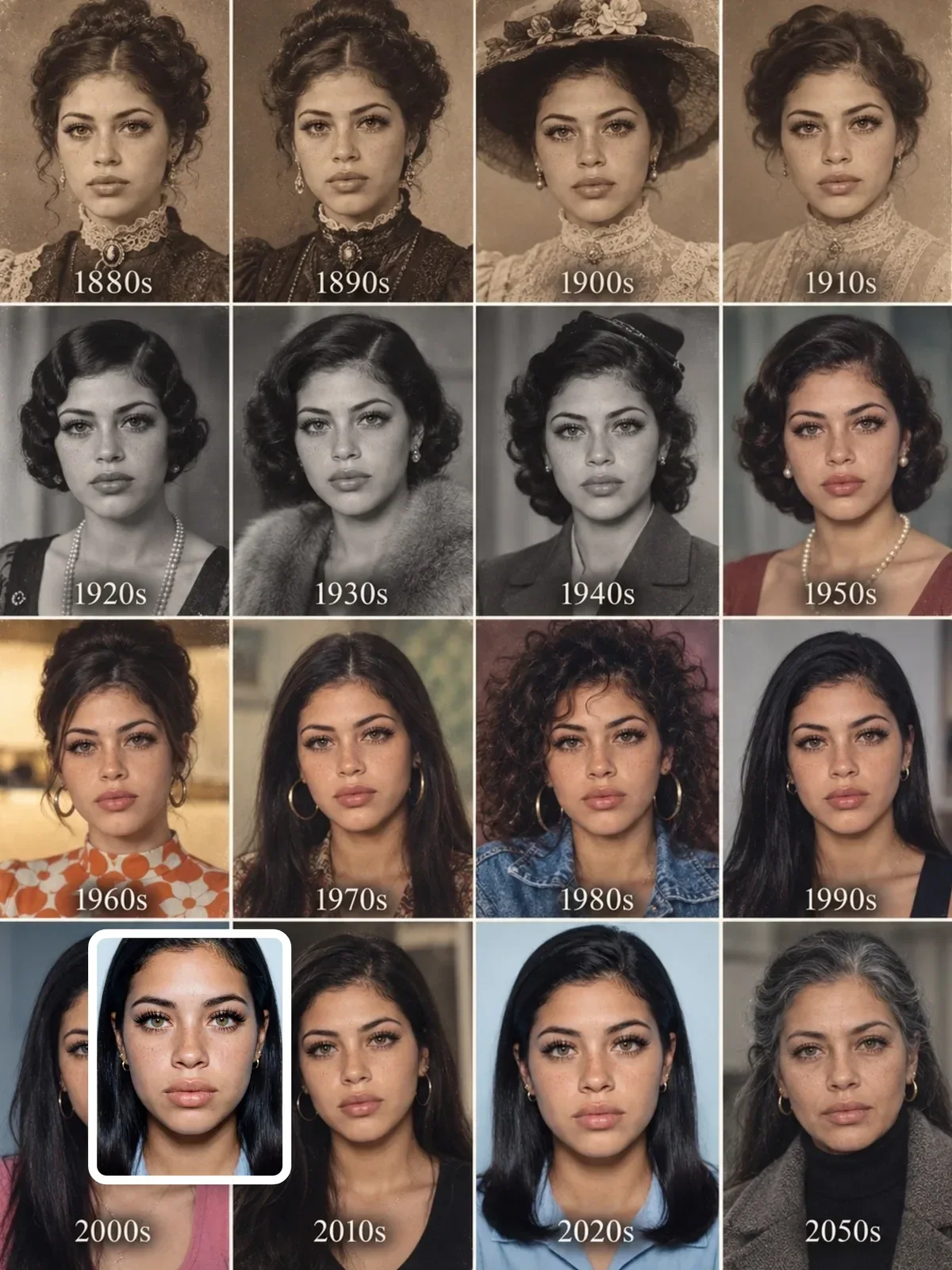
How to Keep a Person Recognizable When You Transform a Photo
Why AI transformations lose a likeness and how to stop it: identity anchors, better reference photos, named-feature locks, framing and likeness checks.
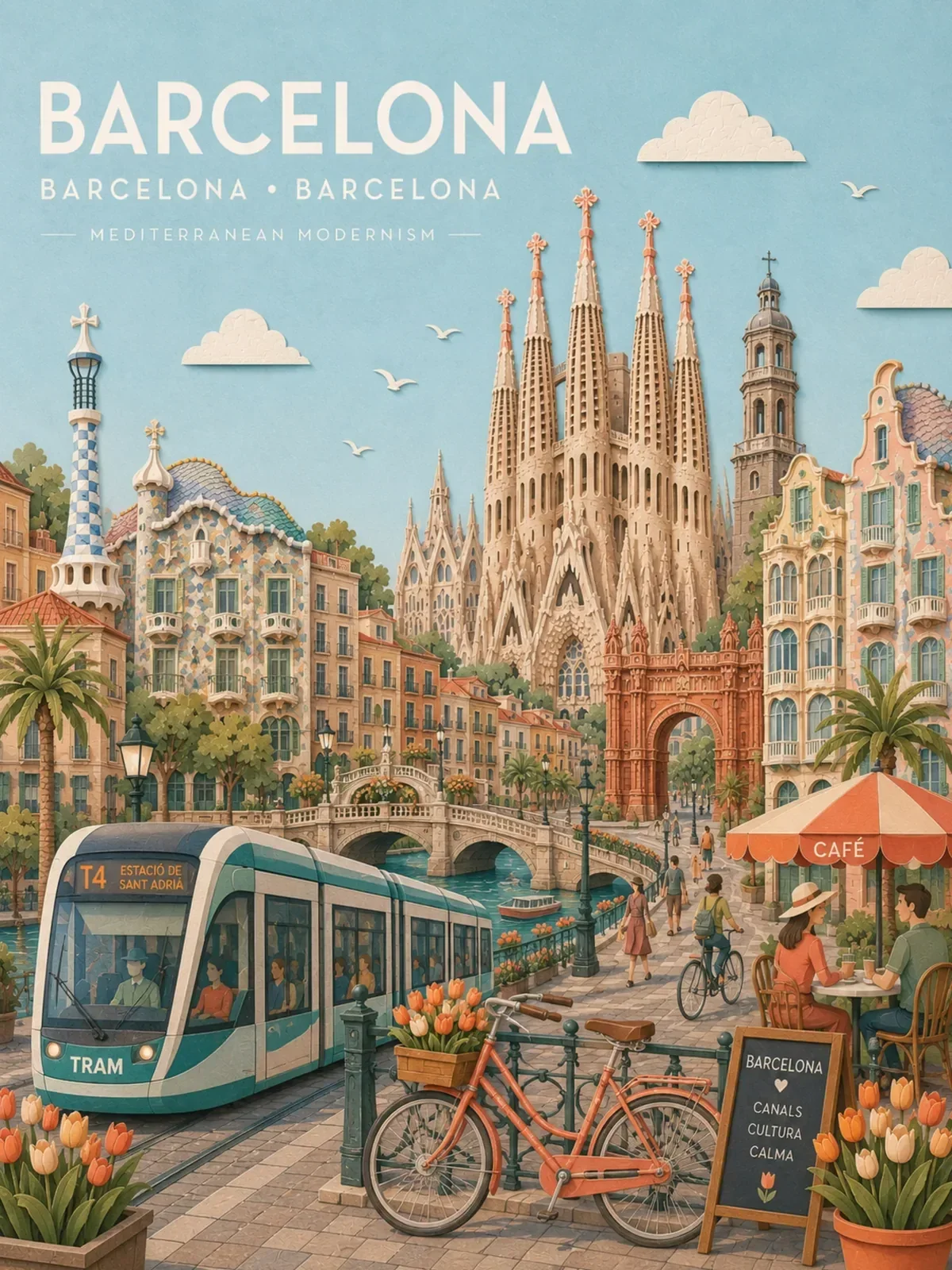
Prompt Templates and Variables: Write Once, Reuse Every Week
Turn a prompt you like into a reusable template: separate the fixed look from variables, name placeholders well, test values, and keep versions tidy.
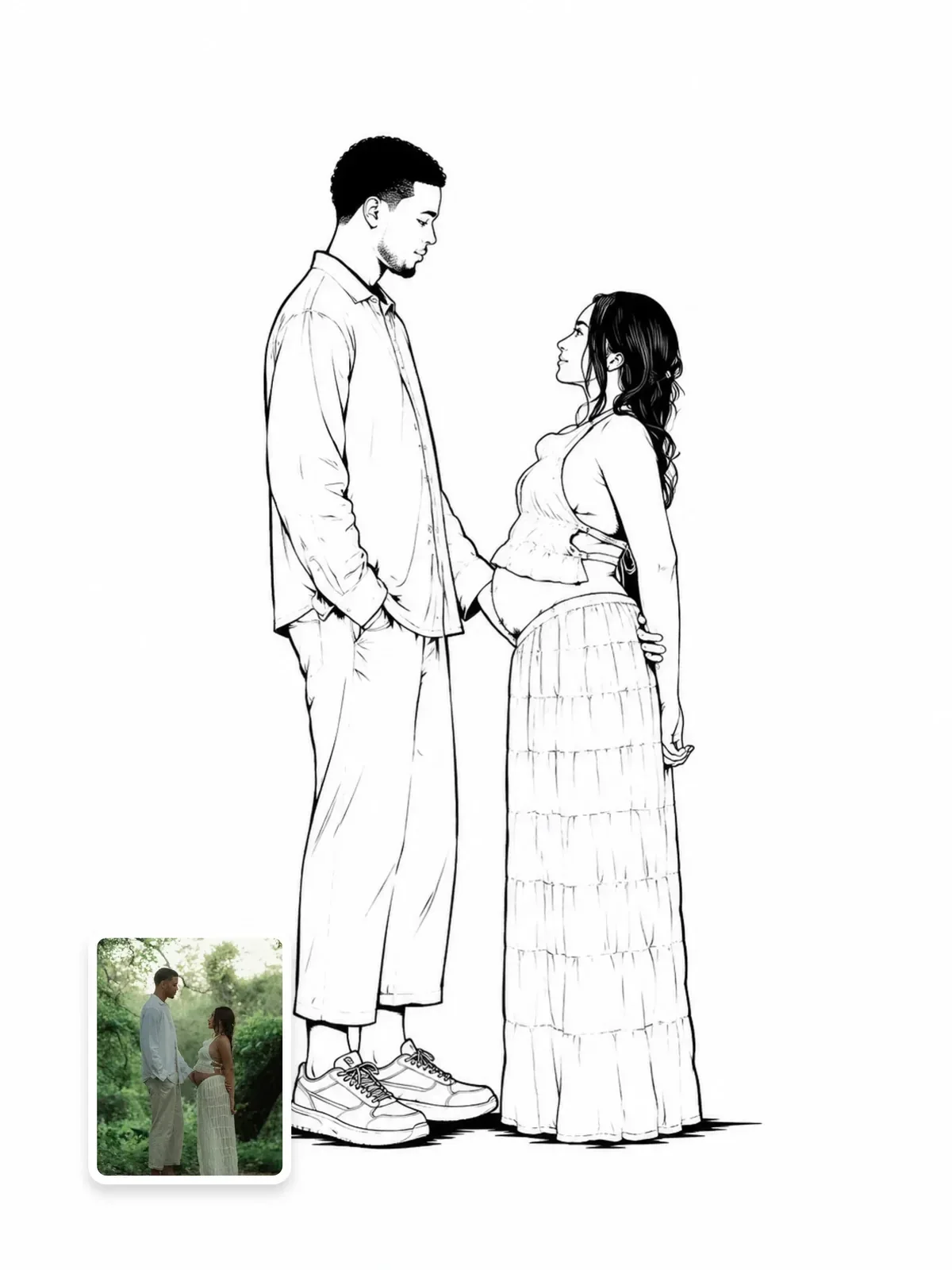
What to Leave Out: Constraints and Negative Instructions in Prompts
Why “no X” sometimes adds X to an AI image, how to rewrite negatives as positive descriptions, and when short explicit bans and locks work best.
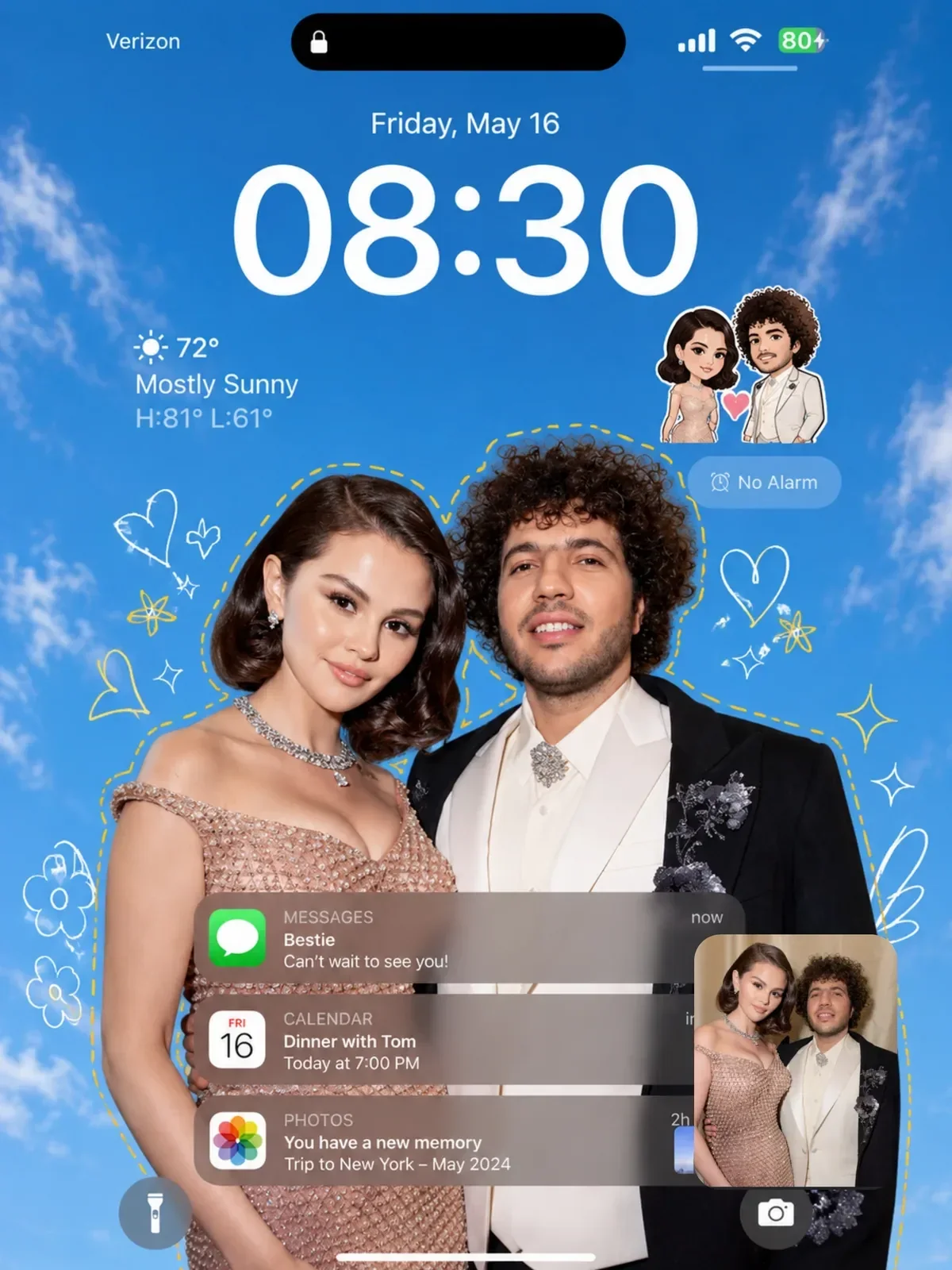
Aspect Ratios for AI Images: 1:1, 4:5, 9:16, 16:9 and When to Use Each
How 1:1, 4:5, 9:16 and 16:9 change what an image model draws, which ratio suits feeds, stories, wallpapers and banners, and how to ask for each one.
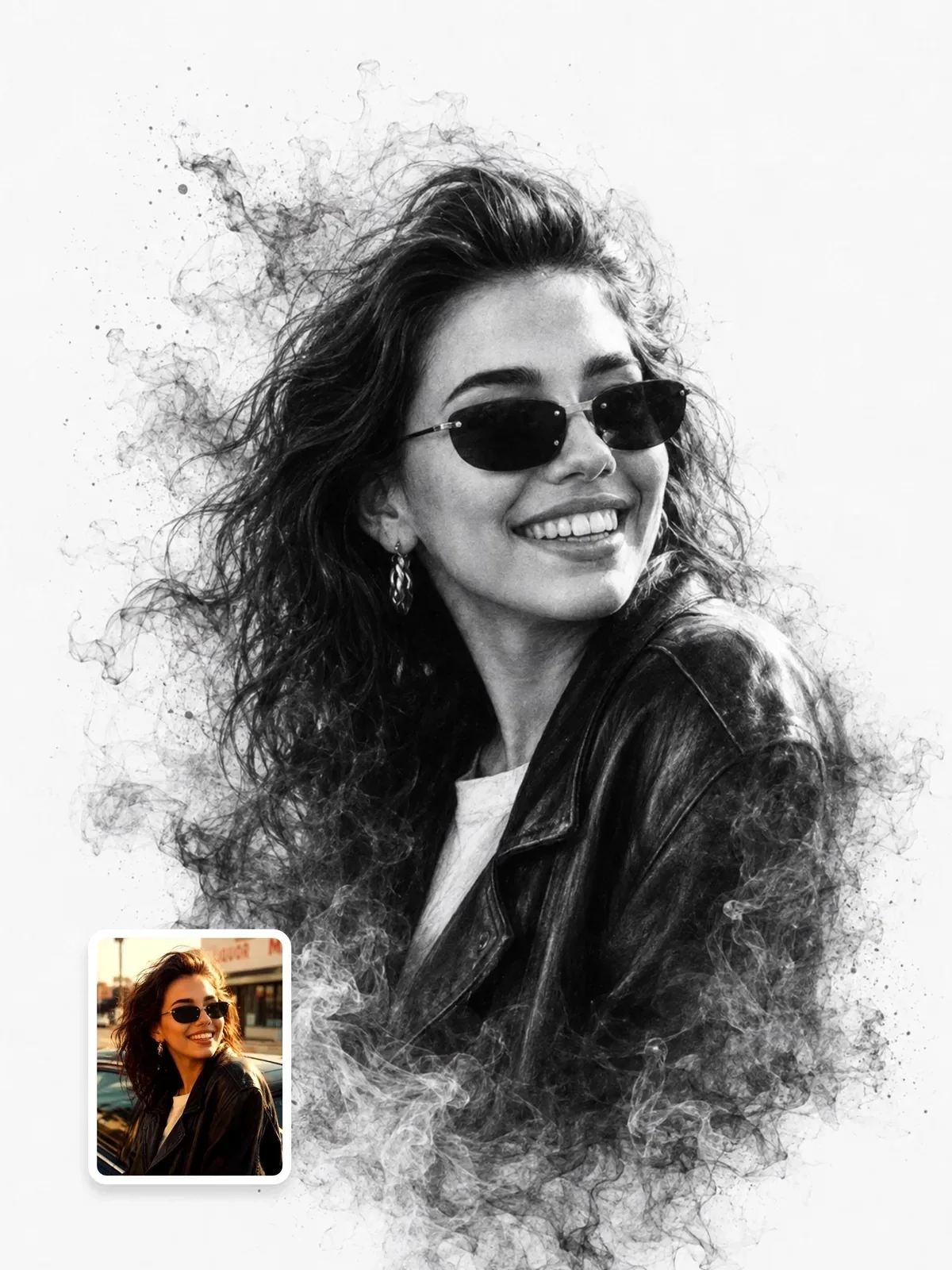
Iterate Like a Photographer: Change One Variable at a Time
A disciplined way to refine AI images: build a baseline, change one decision per round, run each version more than once, and log what each change did.
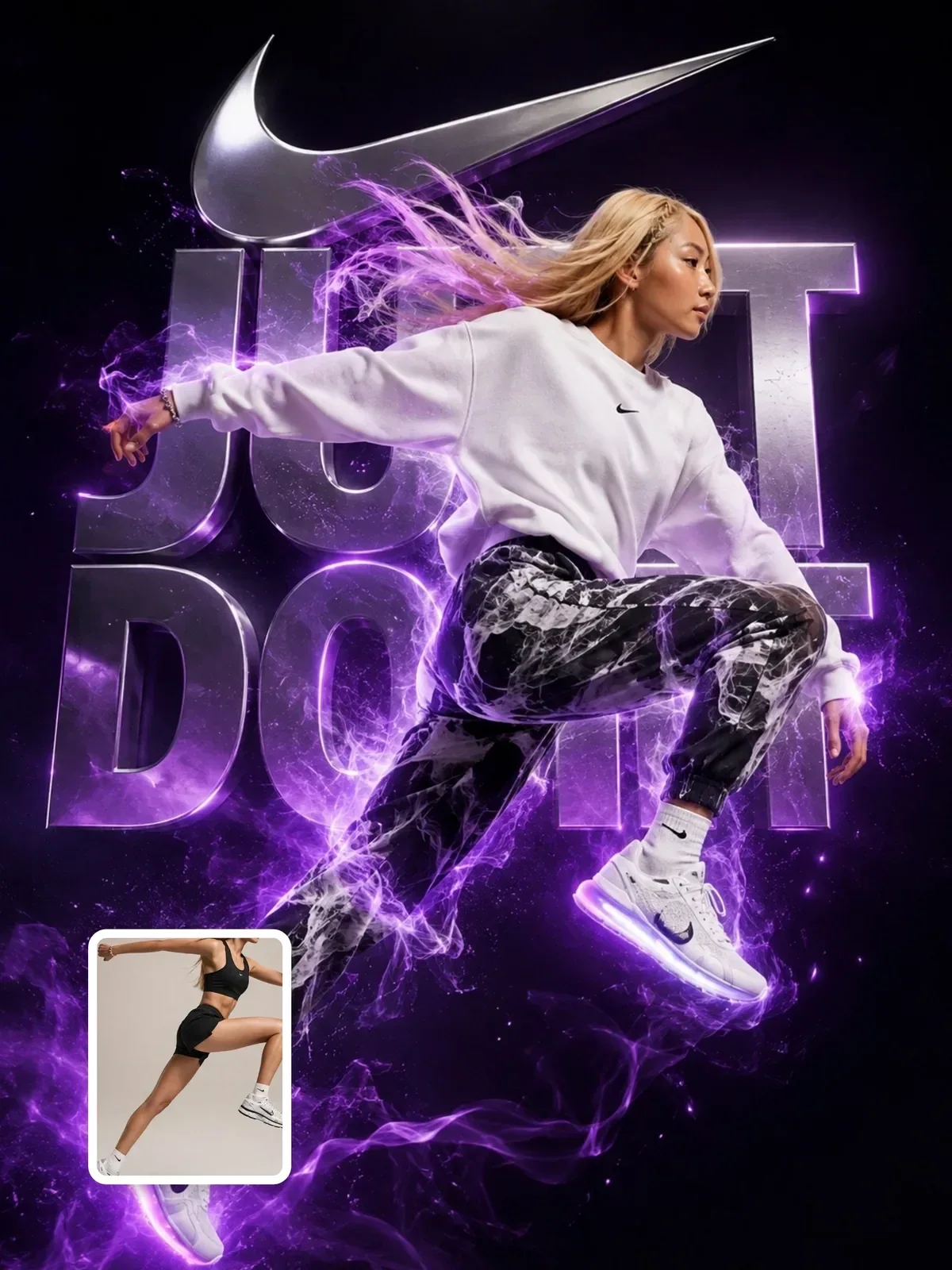
12 Common AI Image Mistakes and How to Fix Them
Twelve mistakes behind most disappointing AI images, from quality-word stacking and bad reference photos to mismatched light and garbled text, with fixes.
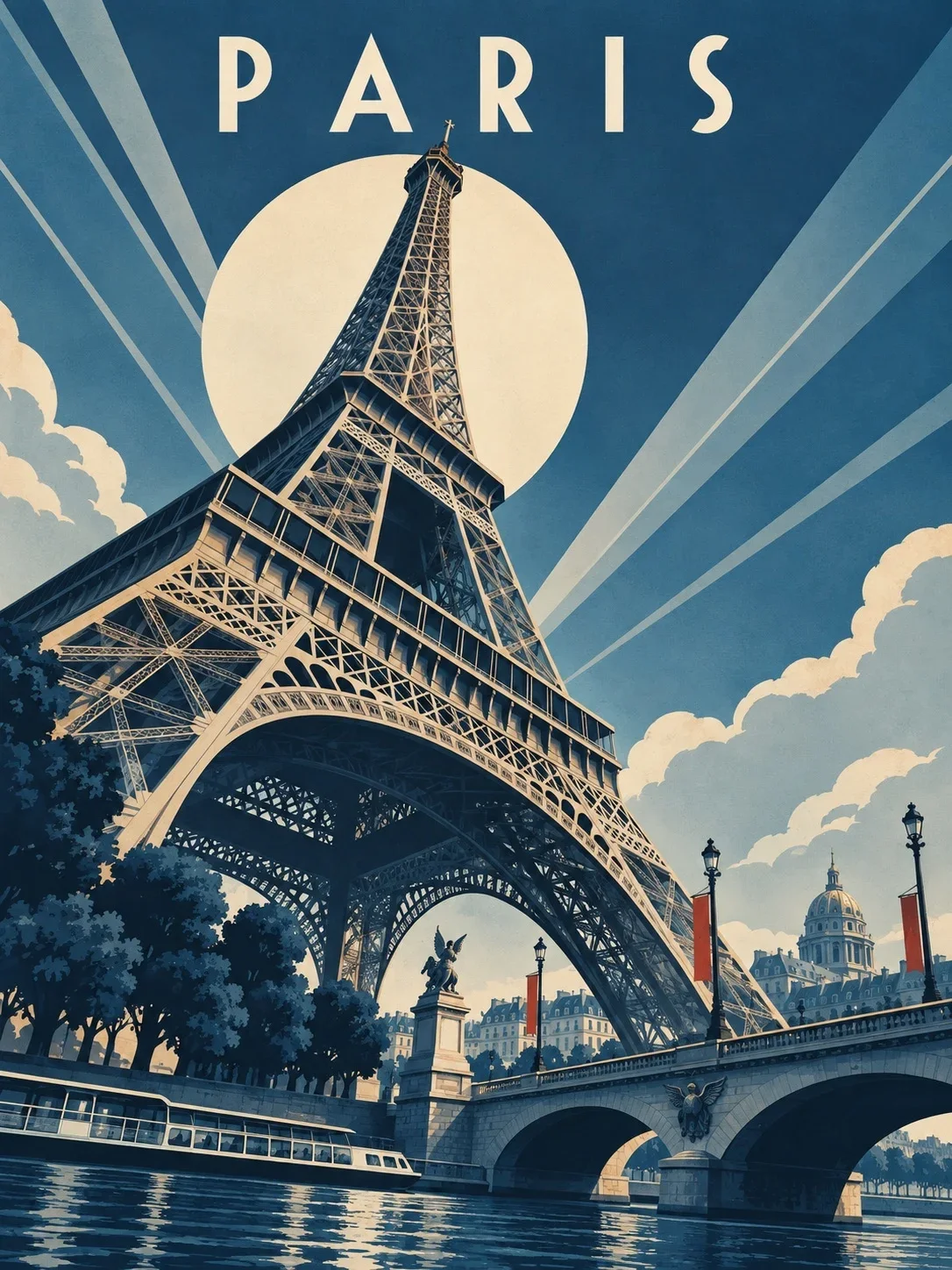
Getting Clean Text and Lettering in AI Images
How to get correctly spelled, well-placed text in AI images: quote the exact words, describe the type, give it a surface, and fix errors in an edit pass.
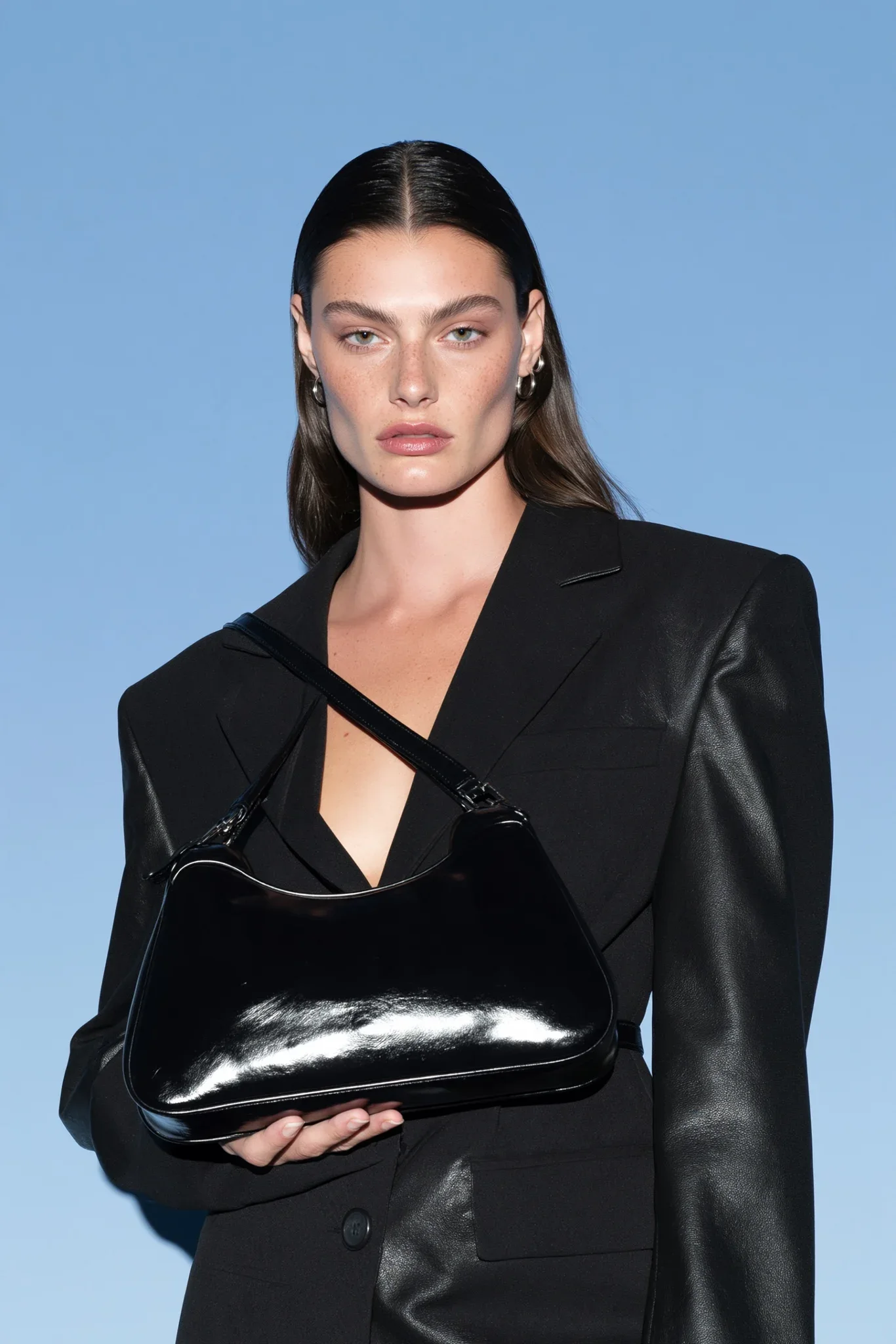
Midjourney or ChatGPT Images? Picking the Right Tool for the Job
When to use Midjourney and when to use ChatGPT's image generation: how each reads a prompt, which jobs suit each tool, and how to combine them in one workflow.
Fotografie-Grundlagen
Lighting Vocabulary for AI Prompts: 20 Terms That Change Everything
Twenty lighting terms photographers use, from hard light to gobos and gels, with what each one does to an AI image and how to write it in a prompt.
Focal Length in Prompts: 24mm, 50mm, 85mm and 135mm Compared
What 24mm, 50mm, 85mm and 135mm really change in a picture, why distance matters more than the lens, and how to write focal length into AI image prompts.
Camera Angles for AI Images: Eye Level, Low, High, Dutch and Overhead
How camera height and tilt change what an image says, and how to prompt eye-level, low, high, Dutch and overhead angles so the model actually moves the camera.
Composition for AI Images: Thirds, Leading Lines and Negative Space
Move your subject off center on purpose: how to prompt the rule of thirds, leading lines, negative space, frames within frames and depth layers in AI images.
Golden Hour and Blue Hour: Prompting Time of Day
Why light changes near sunrise and sunset, and how to prompt golden hour, blue hour and the hours between with the right color, shadow length and sun direction.
Studio Lighting Setups Explained: Rembrandt, Butterfly, Split and Loop
The four classic portrait lighting patterns, where the light sits for each, how to spot them by the nose shadow, and how to prompt each one reliably.
Depth of Field and Bokeh: Controlling What Stays Sharp
How aperture, distance and focal length decide what stays sharp, what makes good bokeh, and how to prompt a focus plane instead of a pasted-on blur.
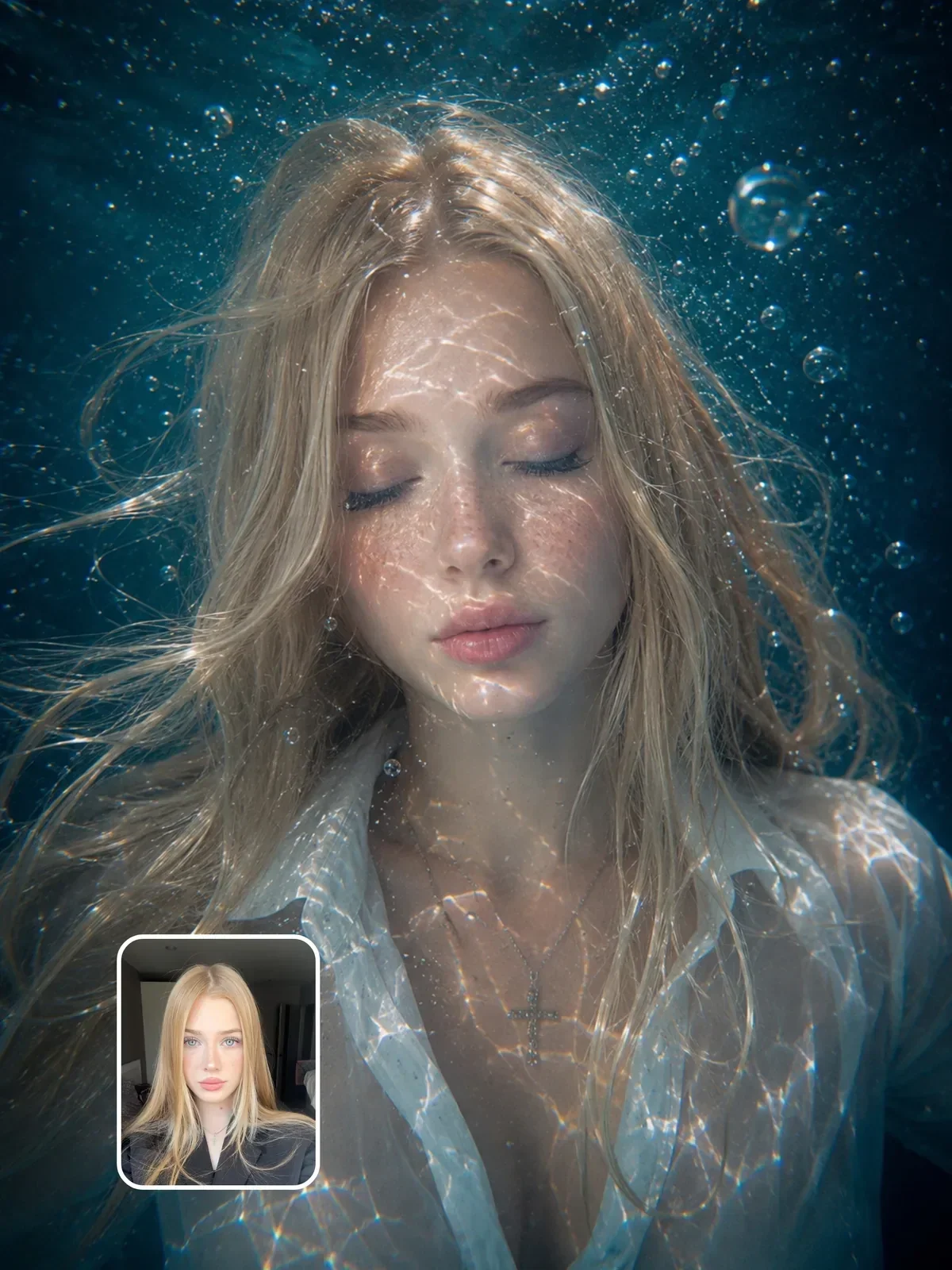
Color Grading in Prompts: Describe a Palette Like a Colorist
Describe color like a colorist: contrast, white balance, shadows, midtones and highlights, limited palettes, and why AI images keep turning teal and orange.
Film Looks in AI Images: Grain, Halation and Classic Stocks
How to prompt a believable analog film look: grain size, halation, highlight rolloff and the color habits of classic stocks, with before and after prompts.
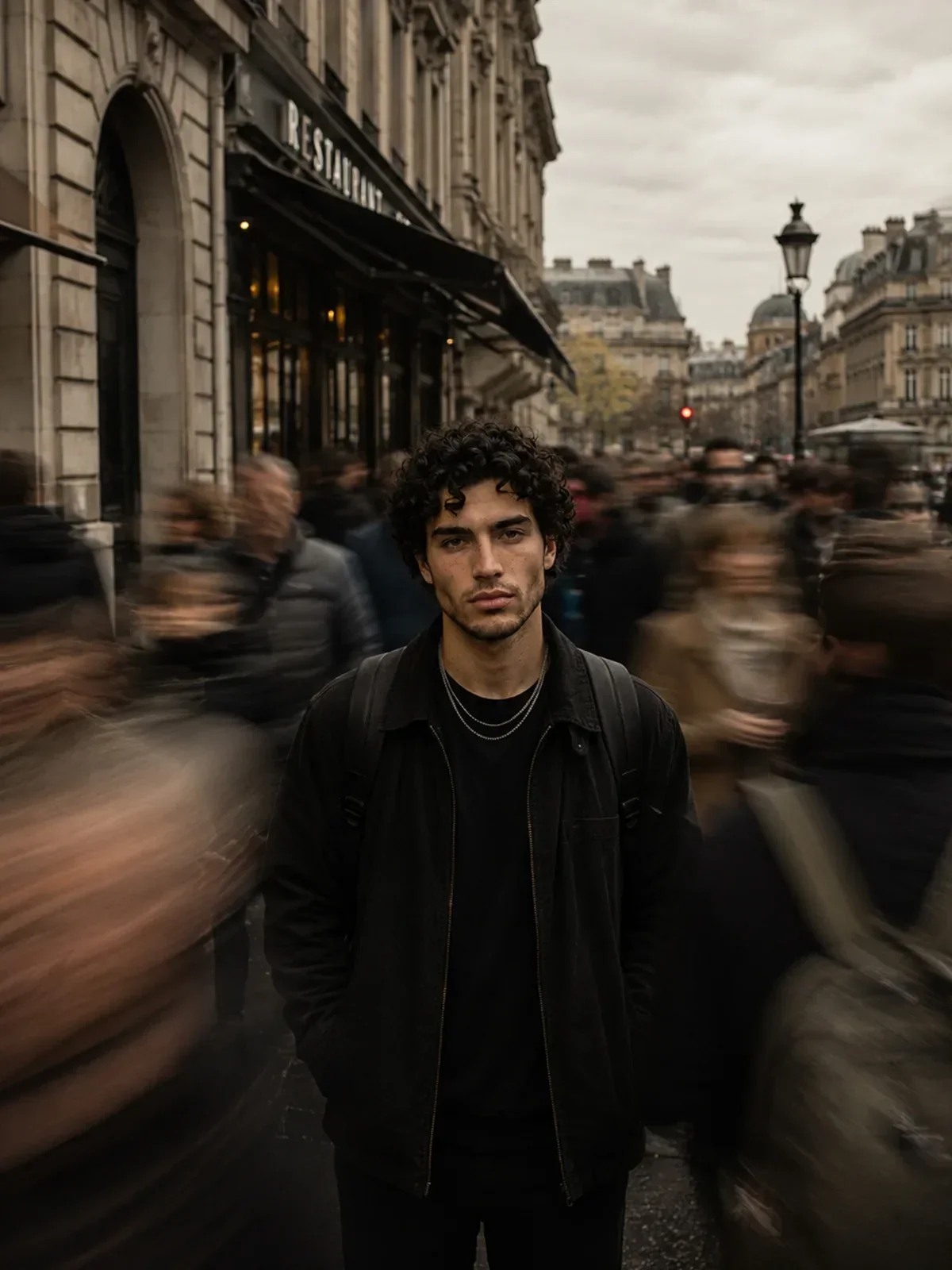
Slow Shutter and Motion Blur: Prompting Movement in a Still Image
Prompt motion blur that looks photographed: shutter speeds, panning, light trails, flash with drag and how to keep your subject sharp while the world moves.
Black and White Portraits: Contrast, Tone and Mood
Prompt black and white portraits with real tonal control: high-key and low-key looks, contrast, color filters, grain and print finish, and fixes for flat gray.
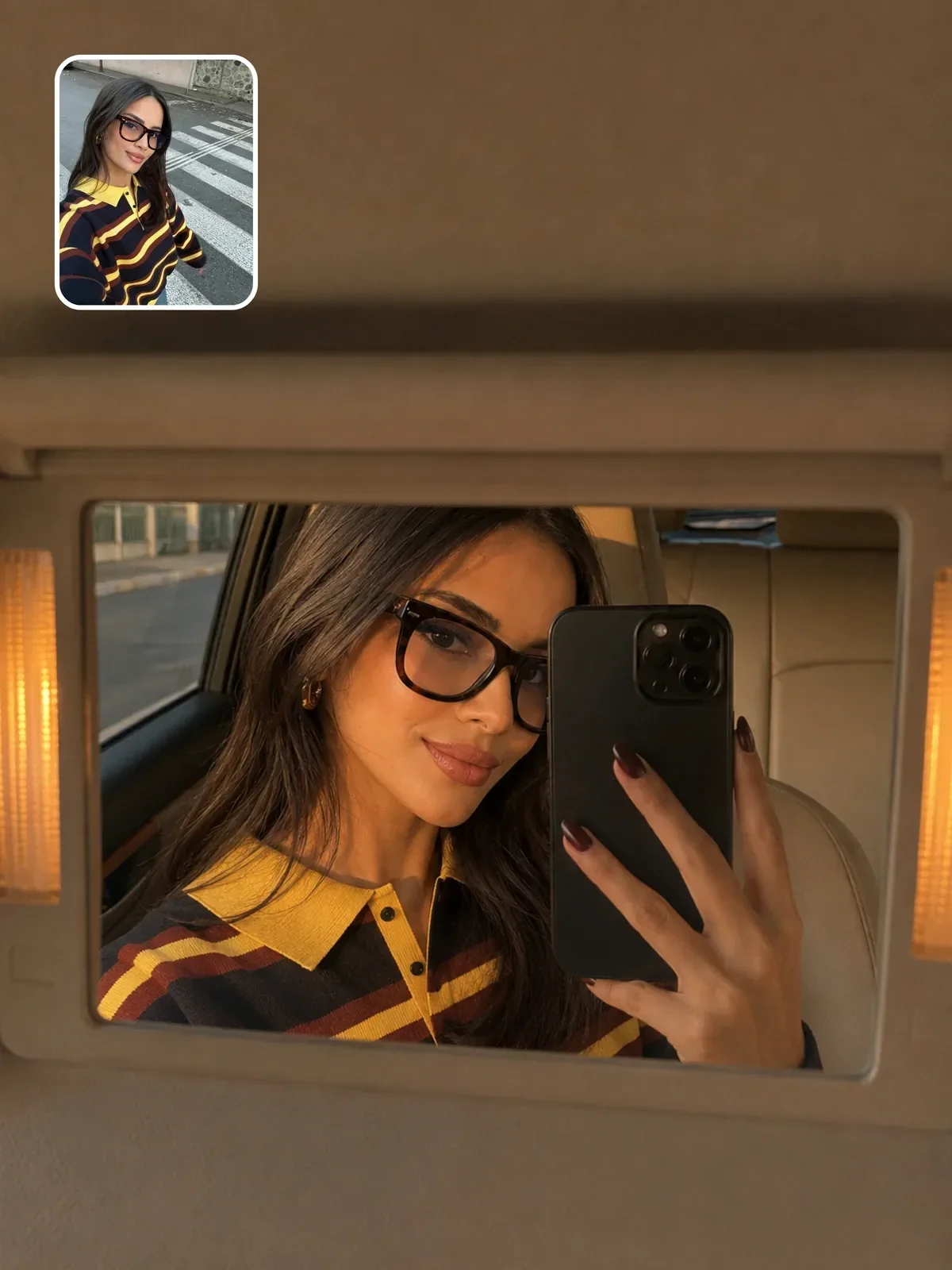
Making AI Images Look Like Real Phone Photos
Why AI images look too polished and how to prompt the real habits of phone cameras: wide lenses, deep focus, HDR, flash, night mode and casual framing.
Stile
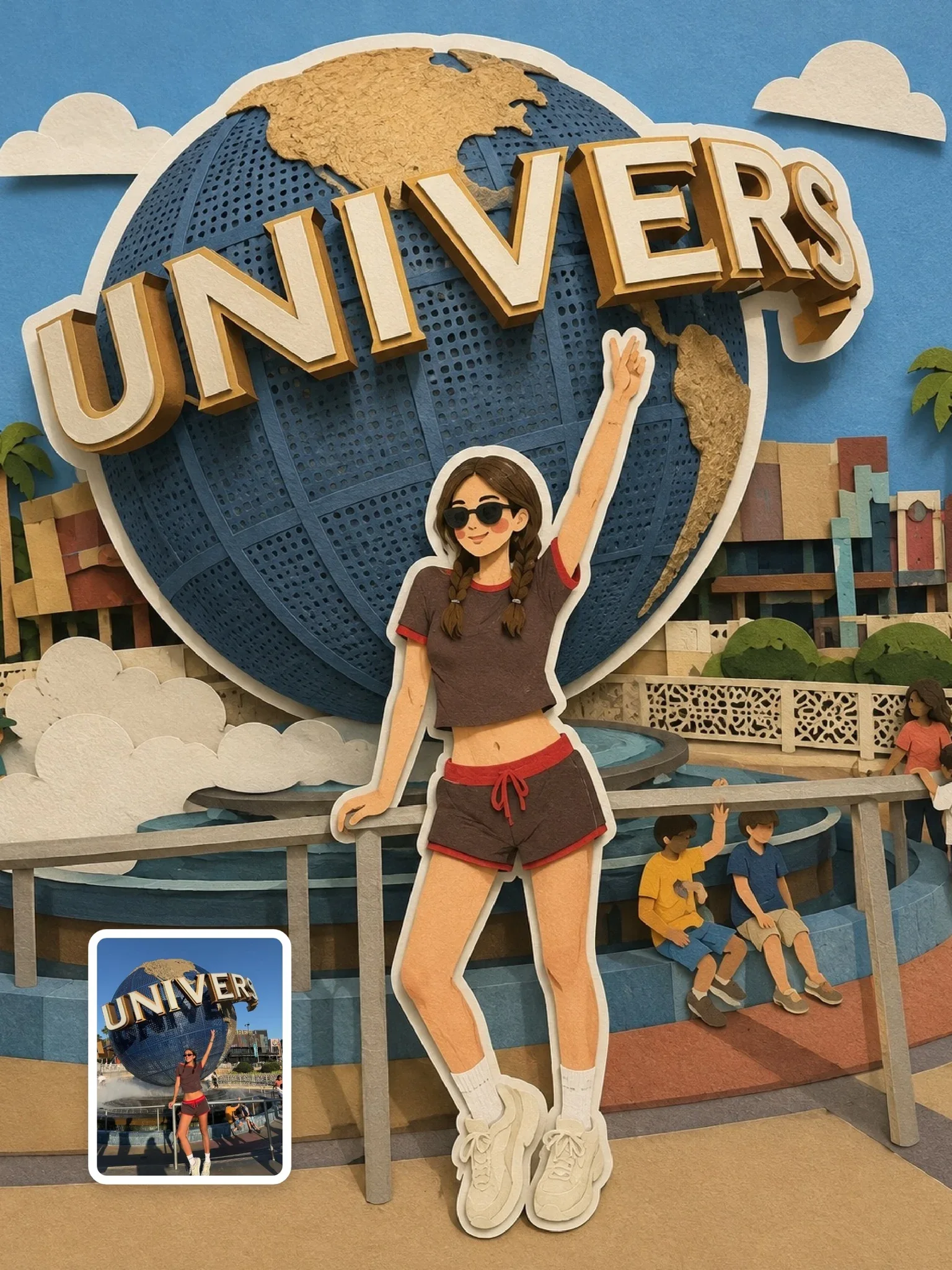
Paper Cutout Illustration: Layers, Shadows and Texture
Prompt paper cutout art that looks handmade: plan layers, light the edges, choose card stock colors and textures, and turn your own photos into papercraft.
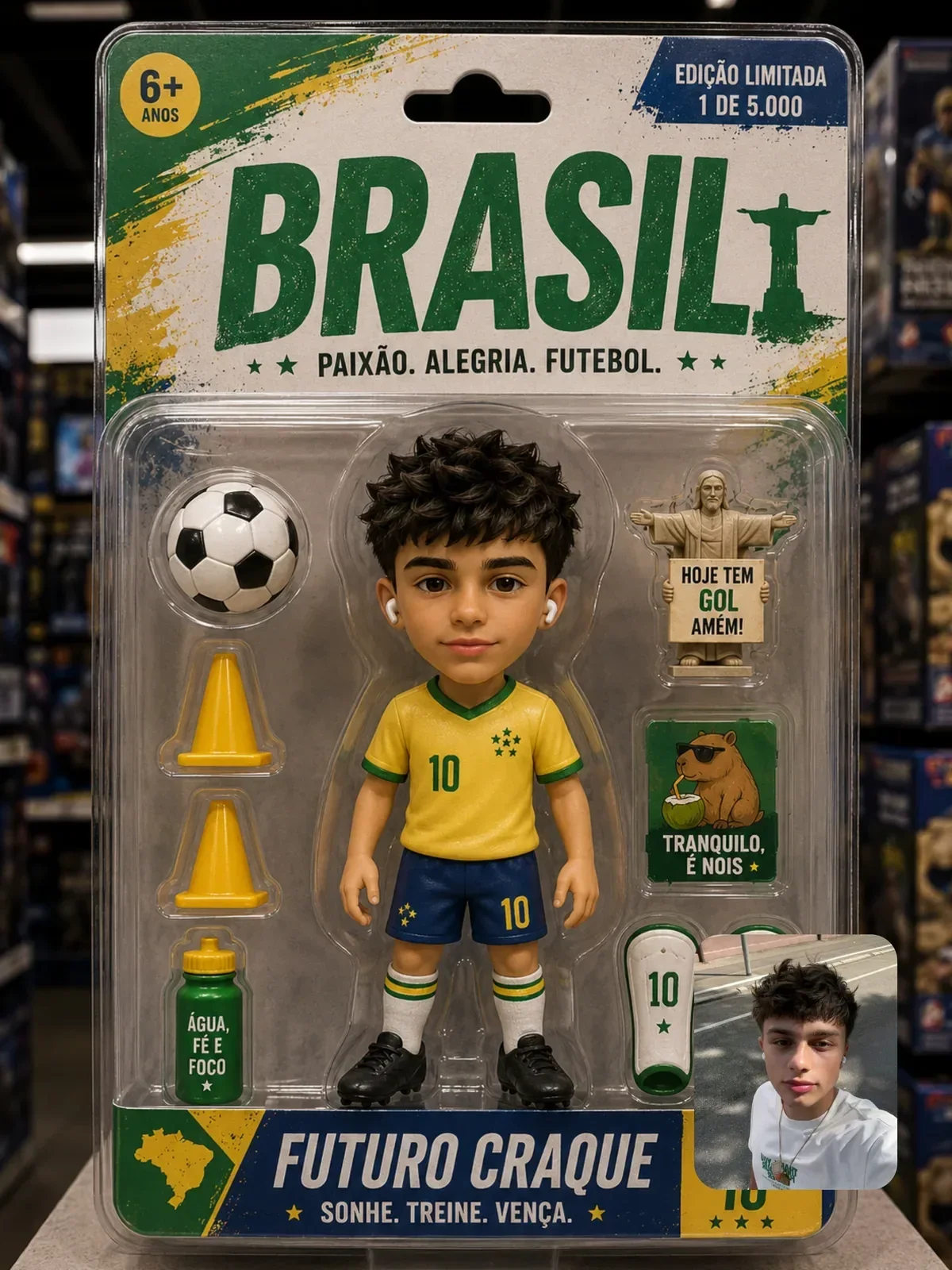
Turning Photos Into Collectible Toys: Figures, Blister Packs and Bobbleheads
Turn your own photos into believable toy figures: pick a format, describe vinyl, plush or resin, shoot them like products and design simple packaging.
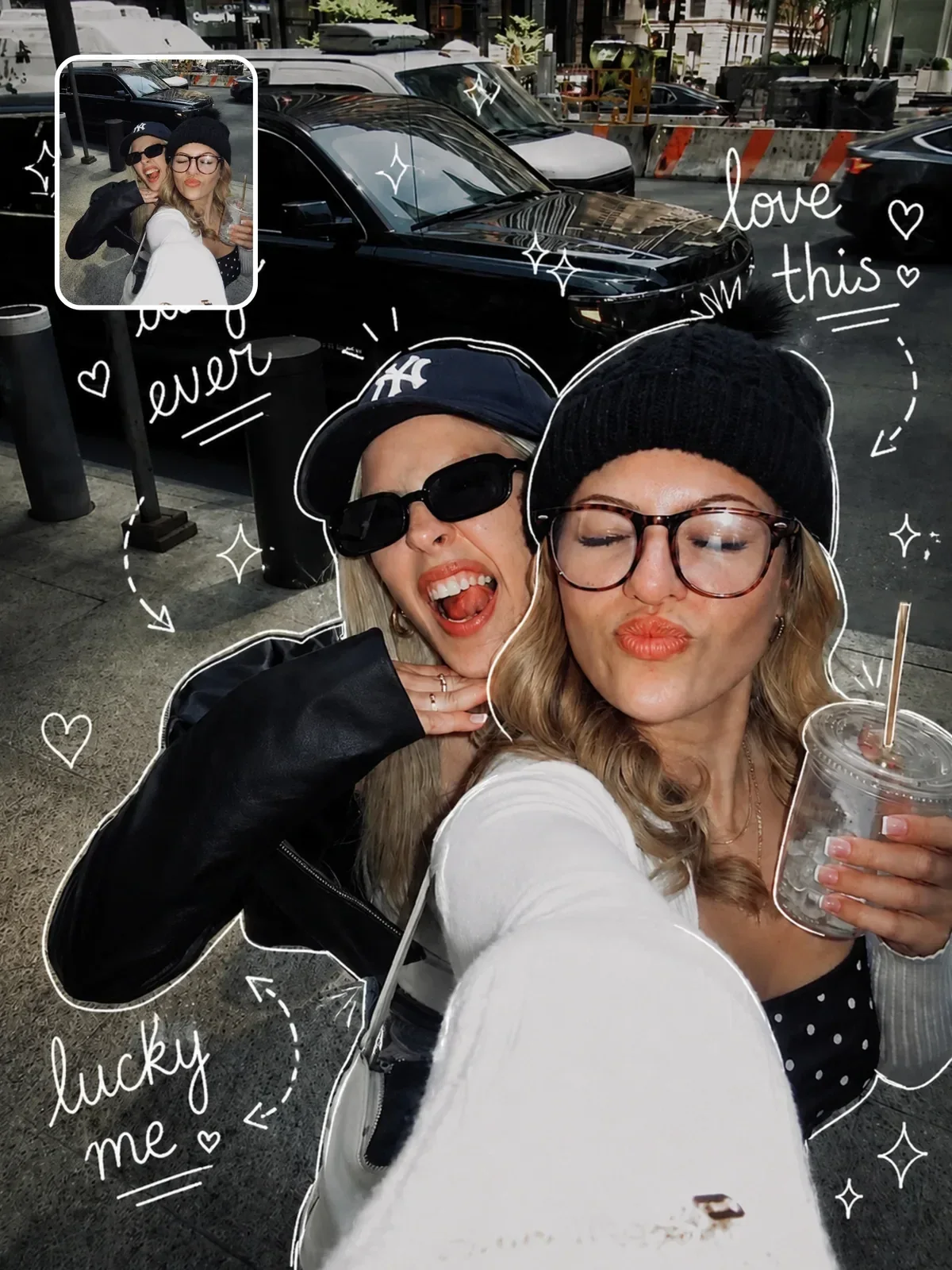
Doodles on Real Photos: The Mixed-Media Trend Explained
Prompt hand-drawn doodles on real photos: pen overlays, doodle people in real places and ink twins, with advice on pens, placement and locking the photo.
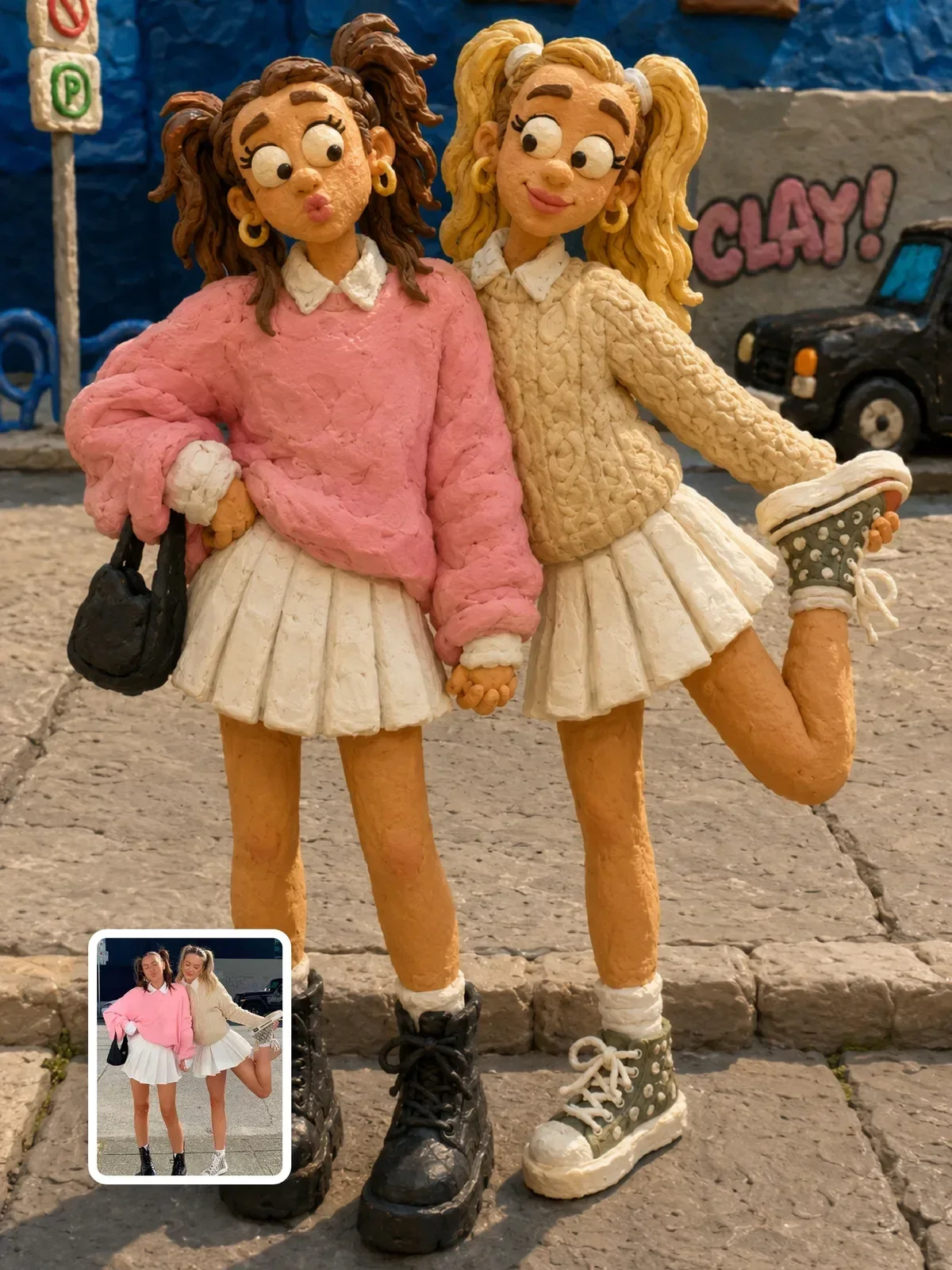
Claymation and Plasticine Worlds: Getting the Handmade Look
Prompt clay and plasticine scenes that look sculpted by hand: fingerprints, tool marks, the right sheen, miniature-set lighting and a stop-motion feel in video.
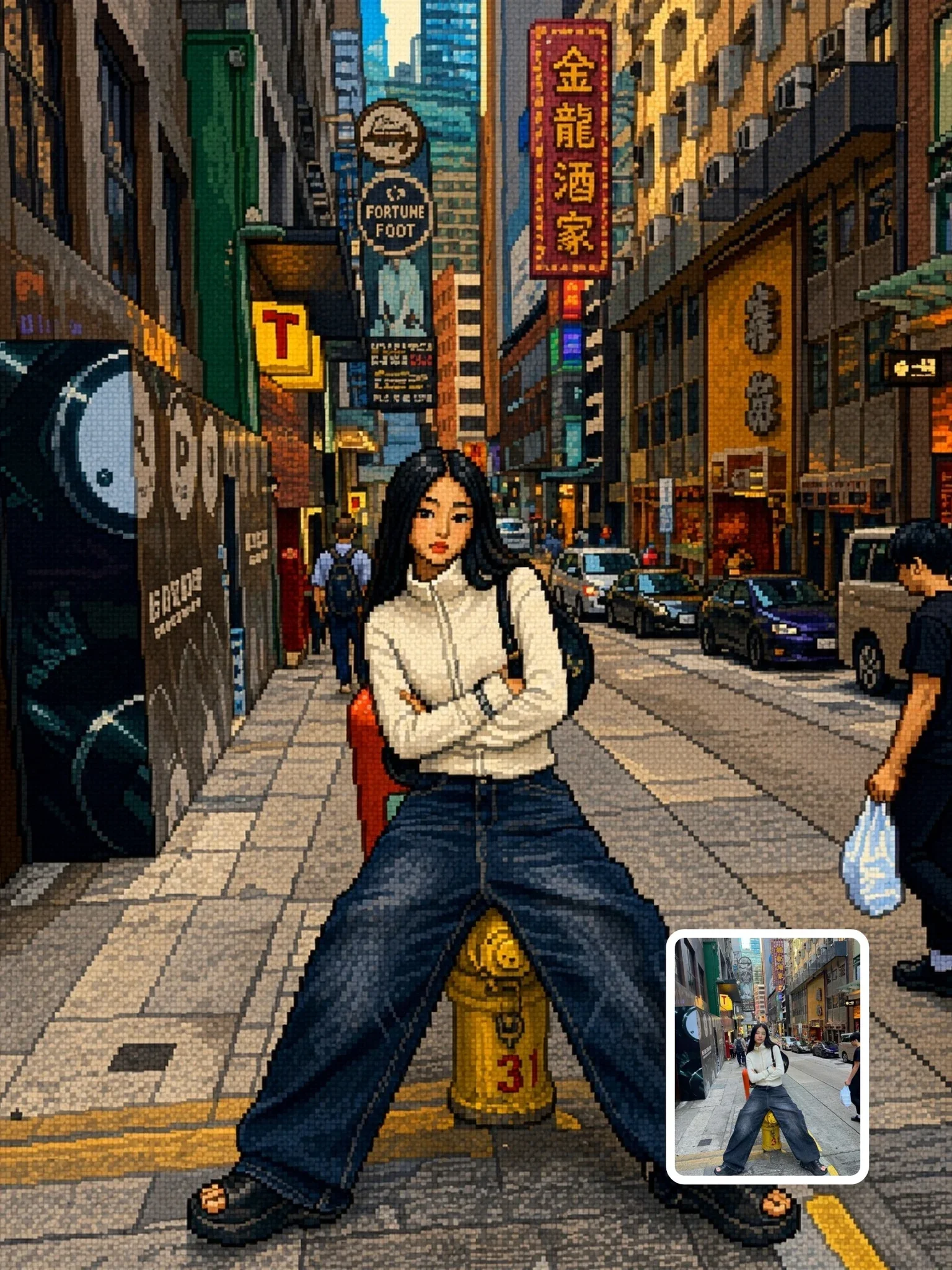
Pixel Art and Retro Game Styles: 8-bit, 16-bit and Isometric
Prompt pixel art that respects the grid: 8-bit vs 16-bit palettes, isometric 2:1 lines, dithering, and how to clean AI pixels with nearest-neighbor scaling.
Designing Travel Posters With AI: Art Deco, Cutout and Collage
Design AI travel posters that hold together: classic poster eras, layout zones for landmark and title, palettes per place, short type and print-ready ratios.
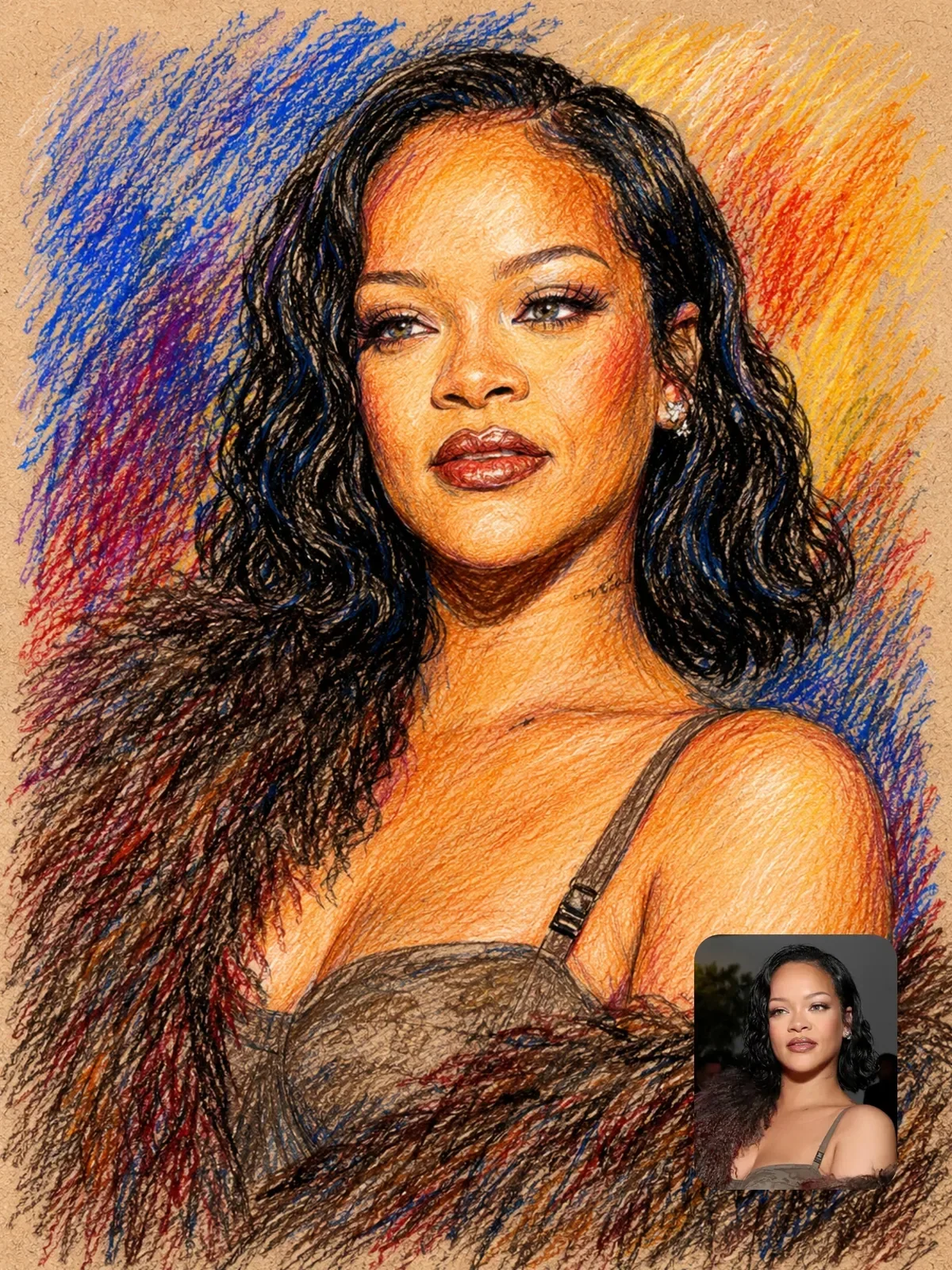
Watercolor, Crayon and Colored Pencil: Traditional Media in AI
Make AI images that look truly painted or drawn: how watercolor, wax crayon and colored pencil behave on paper, and the words that make models copy it.
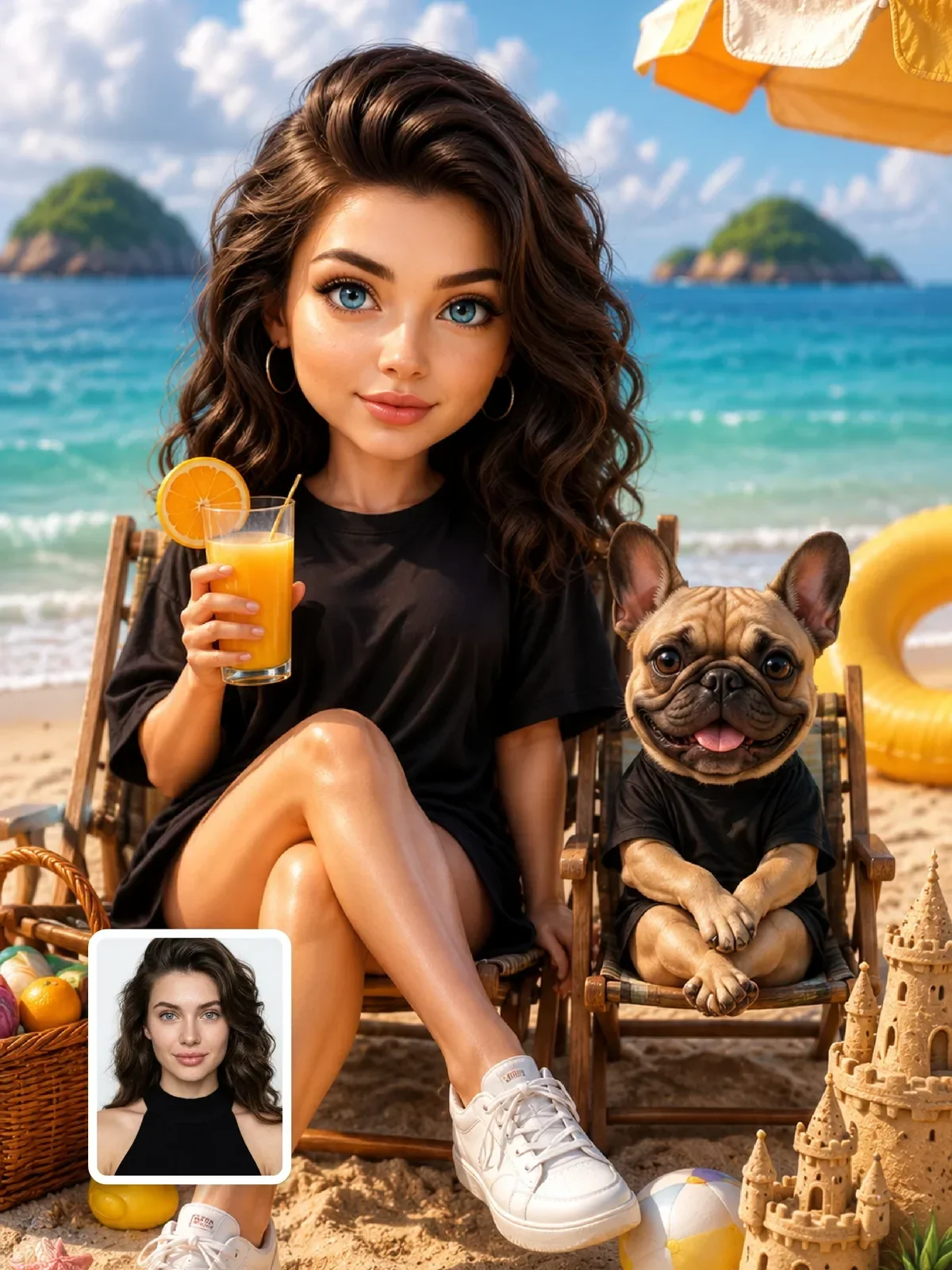
3D Chibi and Cartoon Characters: Proportions, Materials and Light
Design cute 3D chibi and cartoon characters with AI: head-to-body ratios, eye placement, skin and fabric materials, and studio light that keeps them appealing.
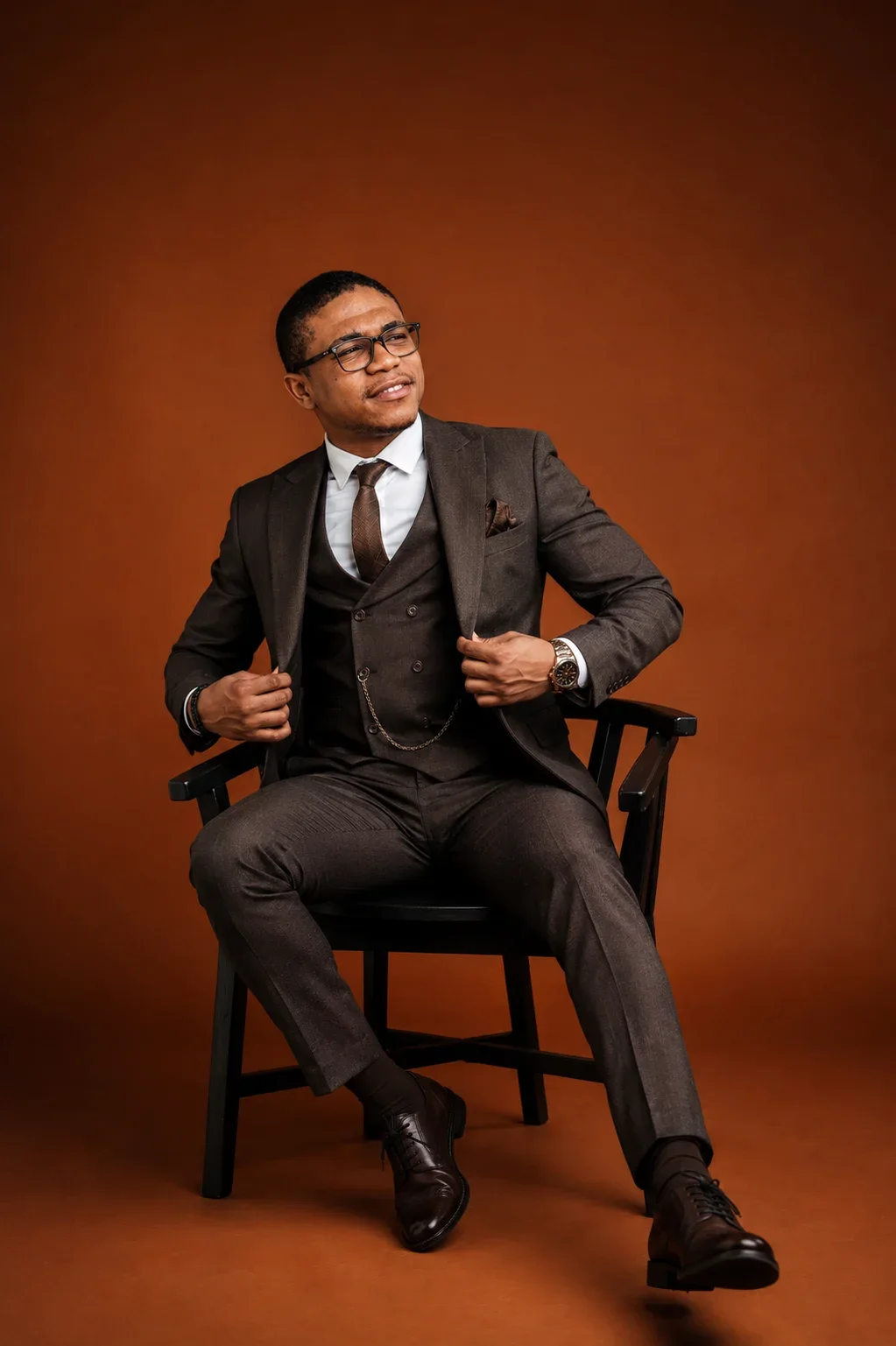
Editorial Fashion Photography Prompts: Styling, Set and Pose
Write fashion prompts the way a shoot crew plans a story: fabrics and fit, backdrops and sets, editorial poses, and the lenses and light of a magazine page.
Minimalist Editorial Illustration: Saying More With Less
Create minimalist editorial illustrations with AI: find one visual idea, limit the palette, use negative space and stop models from adding clutter.
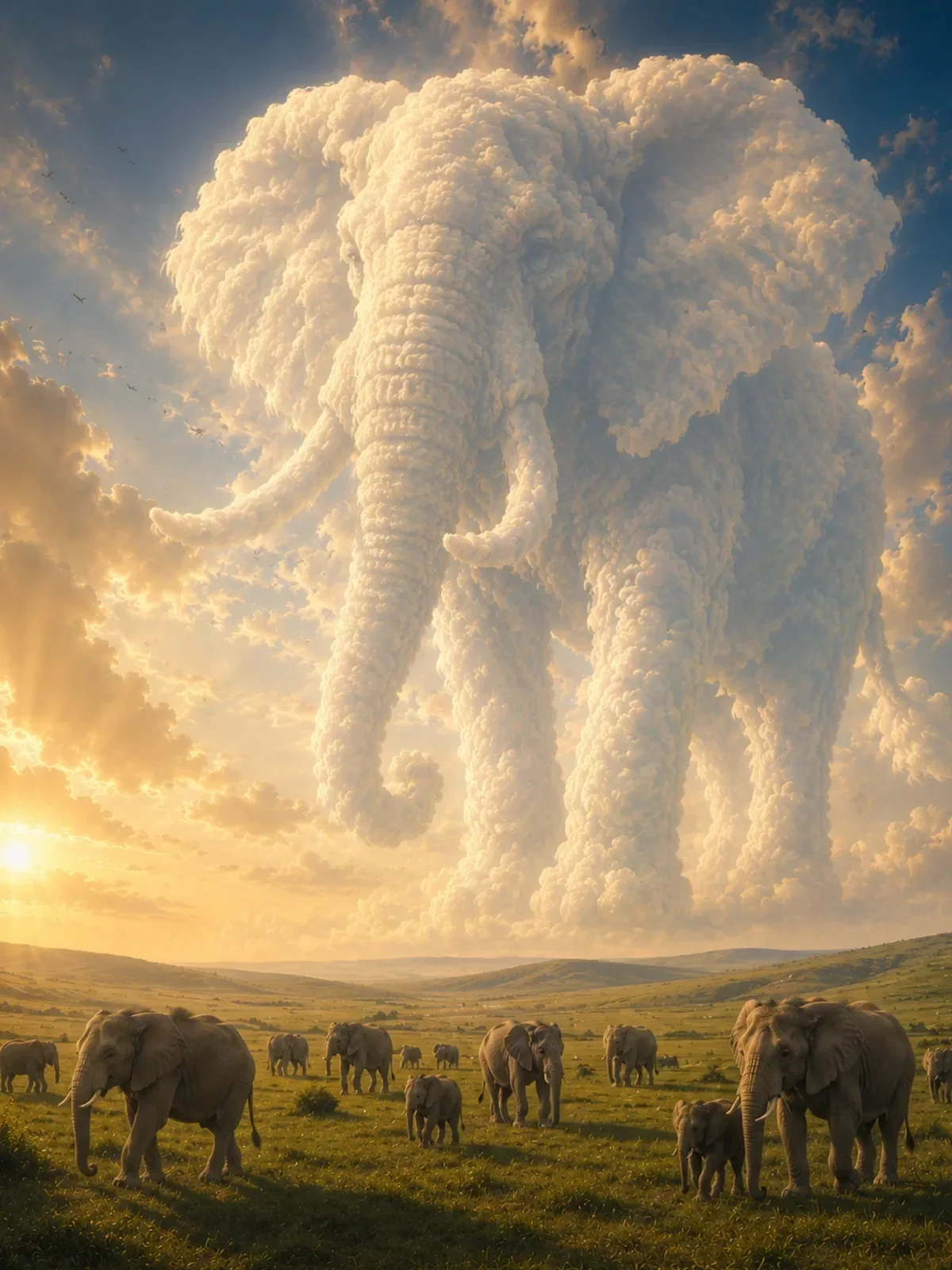
Surreal Photography With AI: Scale, Gravity and Impossible Scenes
Make surreal AI photos that feel real: break one rule of scale, gravity or material, keep the physics of light honest, and shoot the impossible plainly.
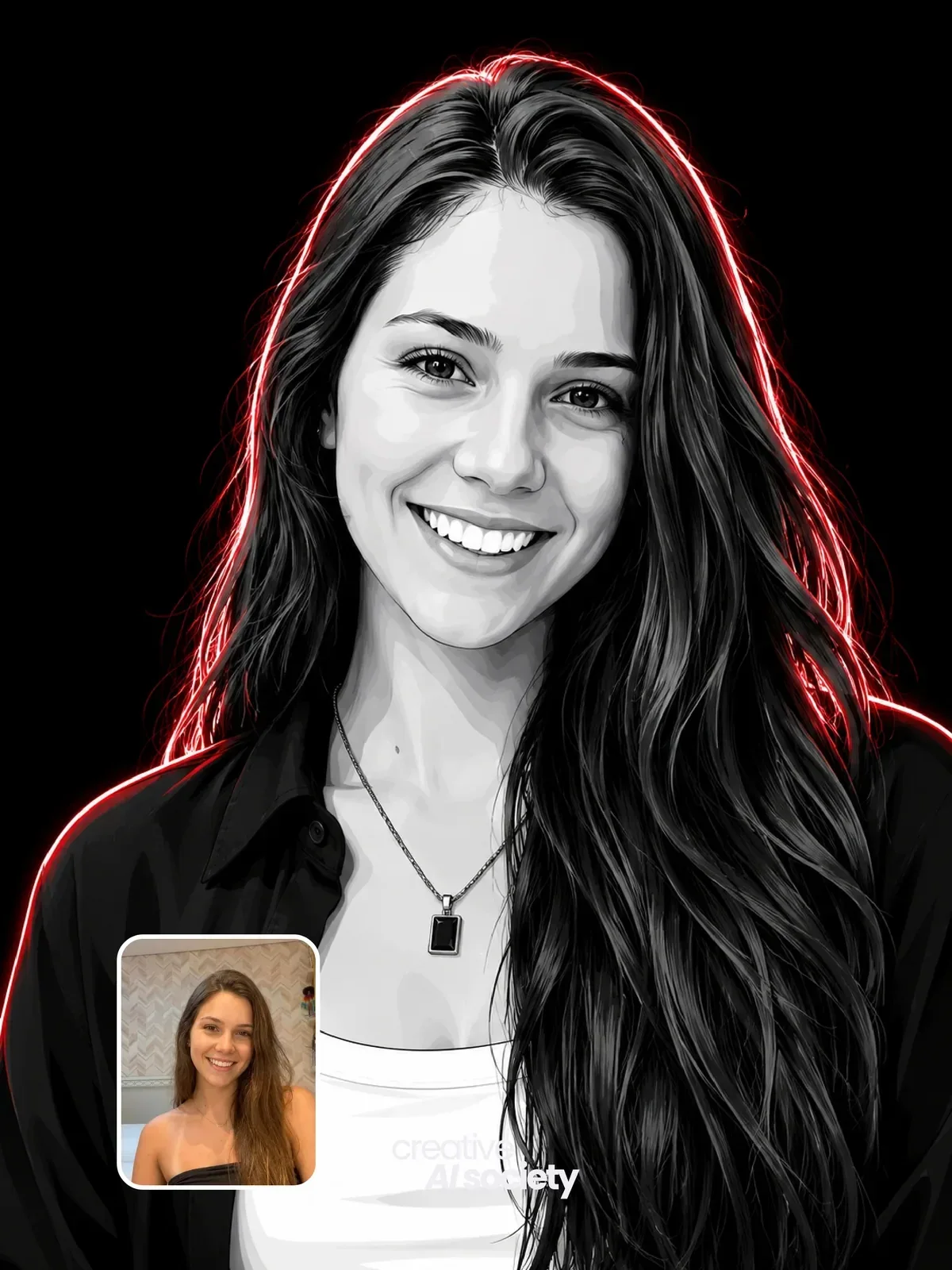
Monochrome Vector and Line Art Portraits
Turn a portrait into bold black-and-white vector art or clean line art: how faces reduce to shapes, how light builds them, and how to get a true vector file.
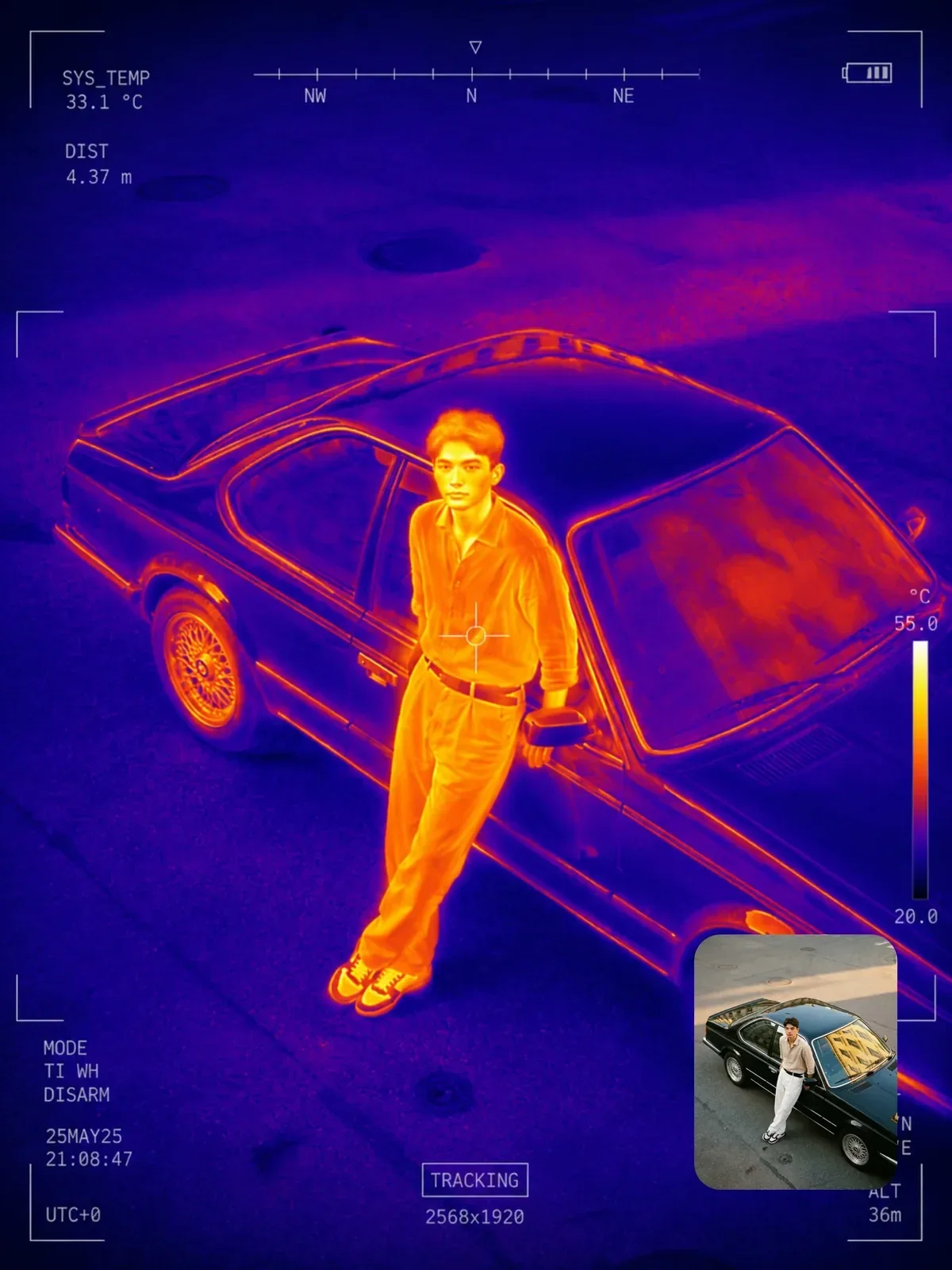
Thermal, CCTV and Broadcast Looks: Prompting Imaginary Camera Systems
Prompt images that look captured by thermal cameras, CCTV, sports broadcasts or LiDAR scanners: the sensor, lens, mount and overlay details that sell each look.
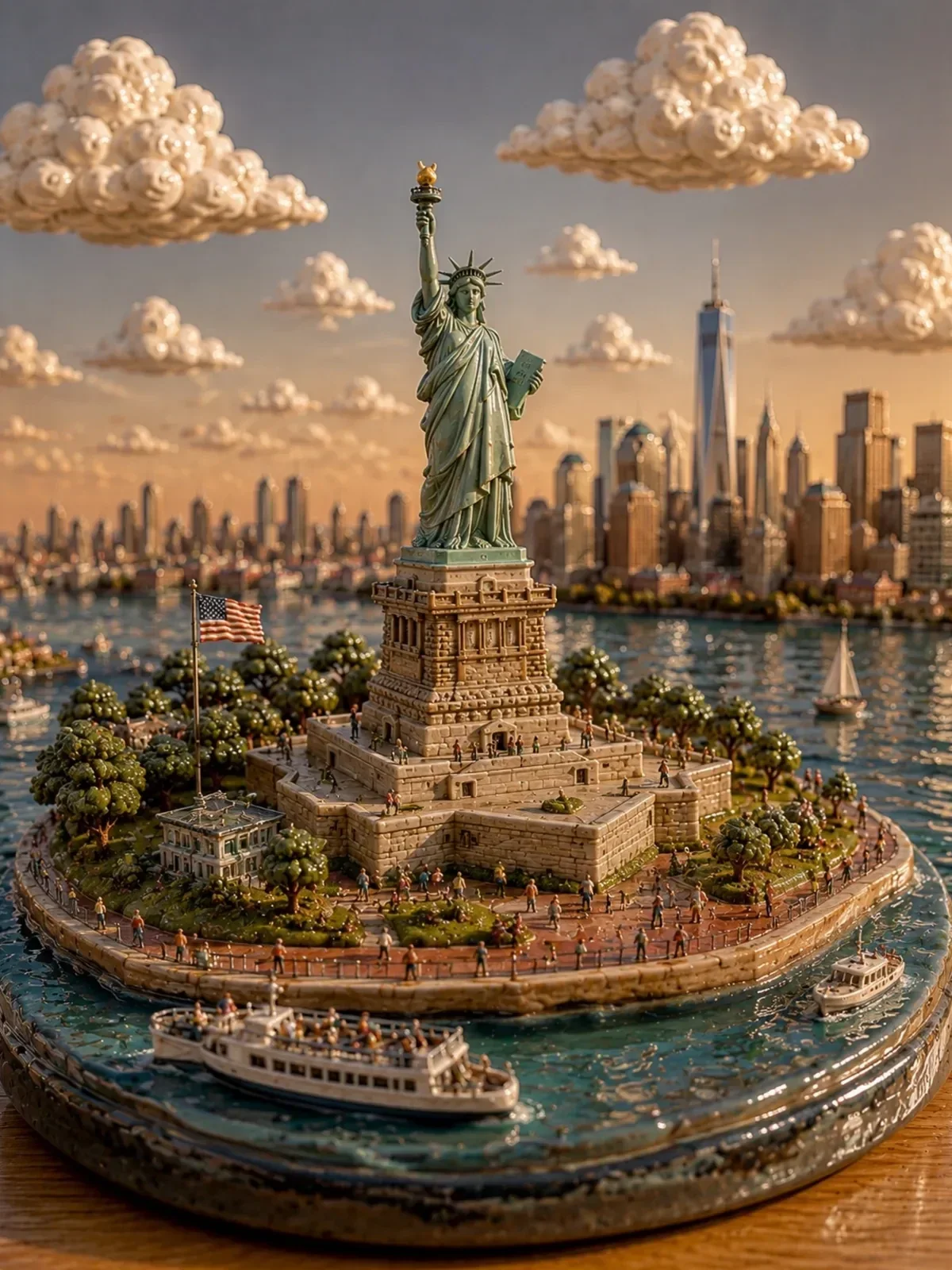
Miniature Worlds and Dioramas: Tilt-Shift, Clay and Resin
Build convincing miniature worlds with AI: the focus cues that make things look small, tilt-shift views, clay and resin dioramas, and tabletop light.
Arbeitsabläufe
How to Create a Consistent AI Character Across Many Images
Keep one AI character looking the same across dozens of images: a written character bible, an anchor image, reference sheets, and a routine for catching drift.
Using AI Images Responsibly: Consent, Likeness and Disclosure
A practical guide to consent, real people's likeness, children, fictional characters and disclosure when you make and share AI images of people.
Better AI Portraits From Your Own Selfie
Take a selfie AI can turn into a portrait that still looks like you: lens distance, window light, expression and filters, then prompting and checking.
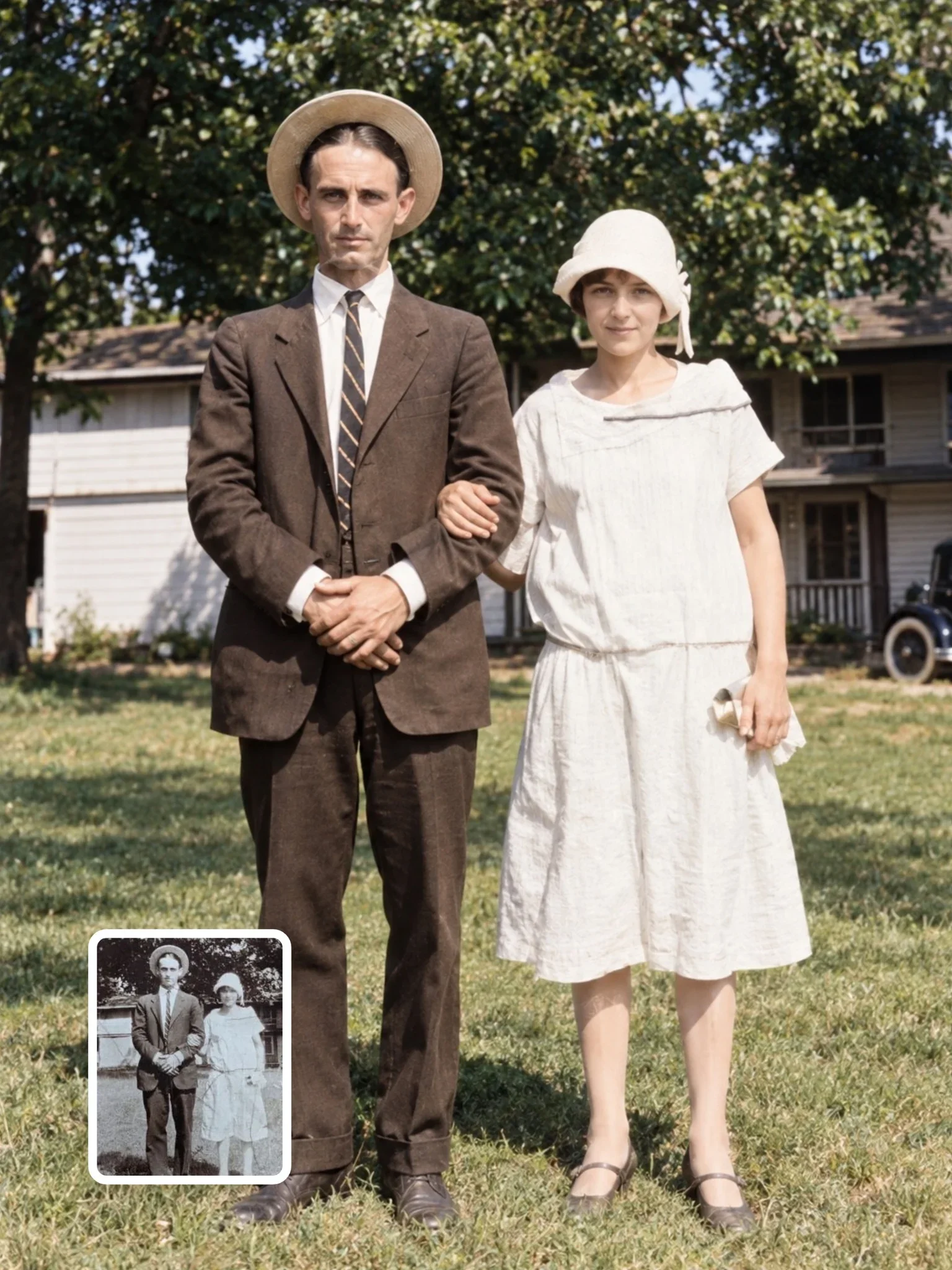
Restoring Old Family Photos With AI, Carefully
Scan, repair and colorize old family photos with AI without inventing faces: scanning settings, restoration prompts, honest color and a side-by-side check.
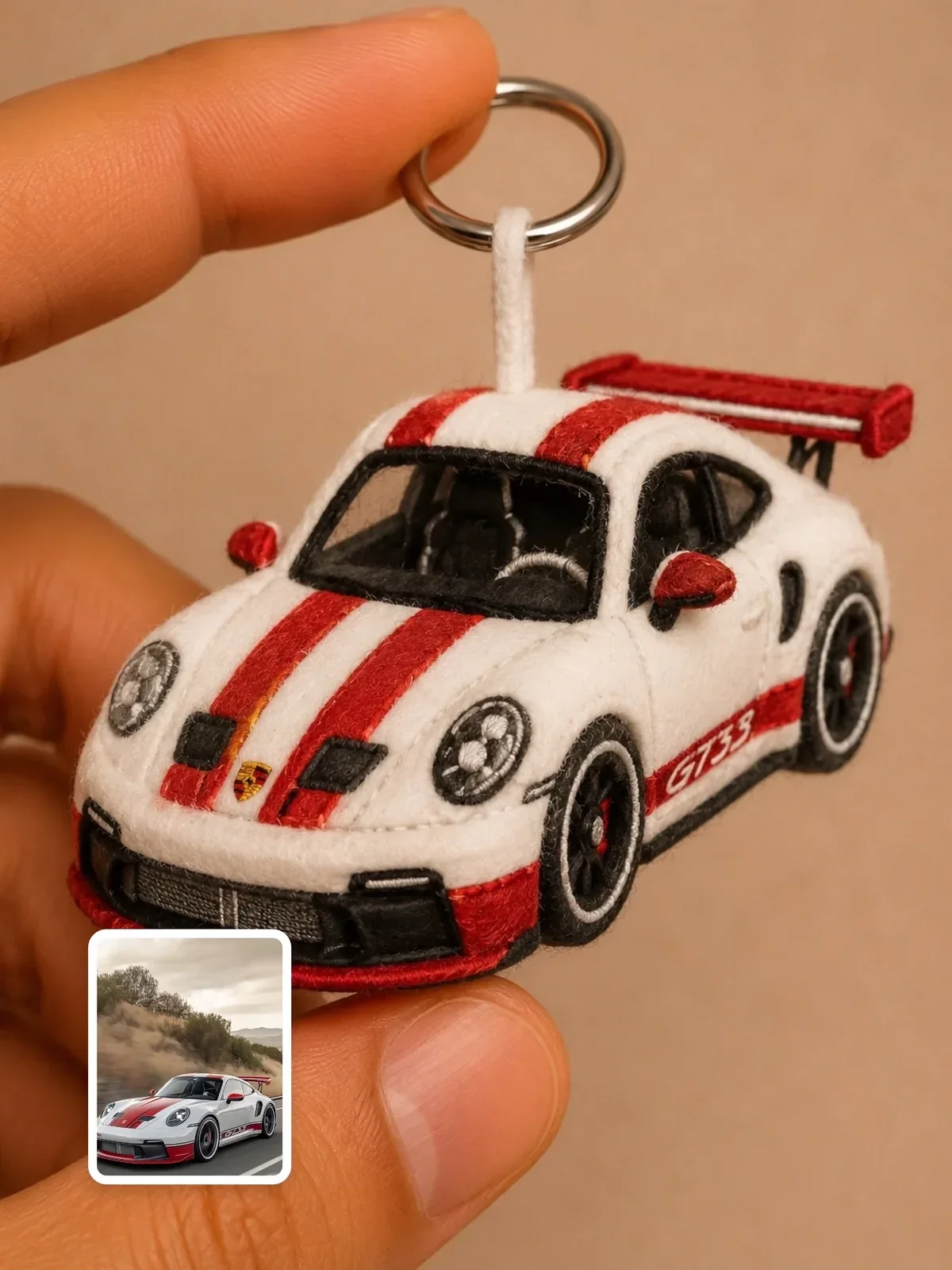
AI Product Photography: Packshots, Lifestyle Scenes and Flat Lays
Plan and prompt the three core product shots with AI: clean packshots, lifestyle scenes and flat lays, while keeping your real product accurate and honest.
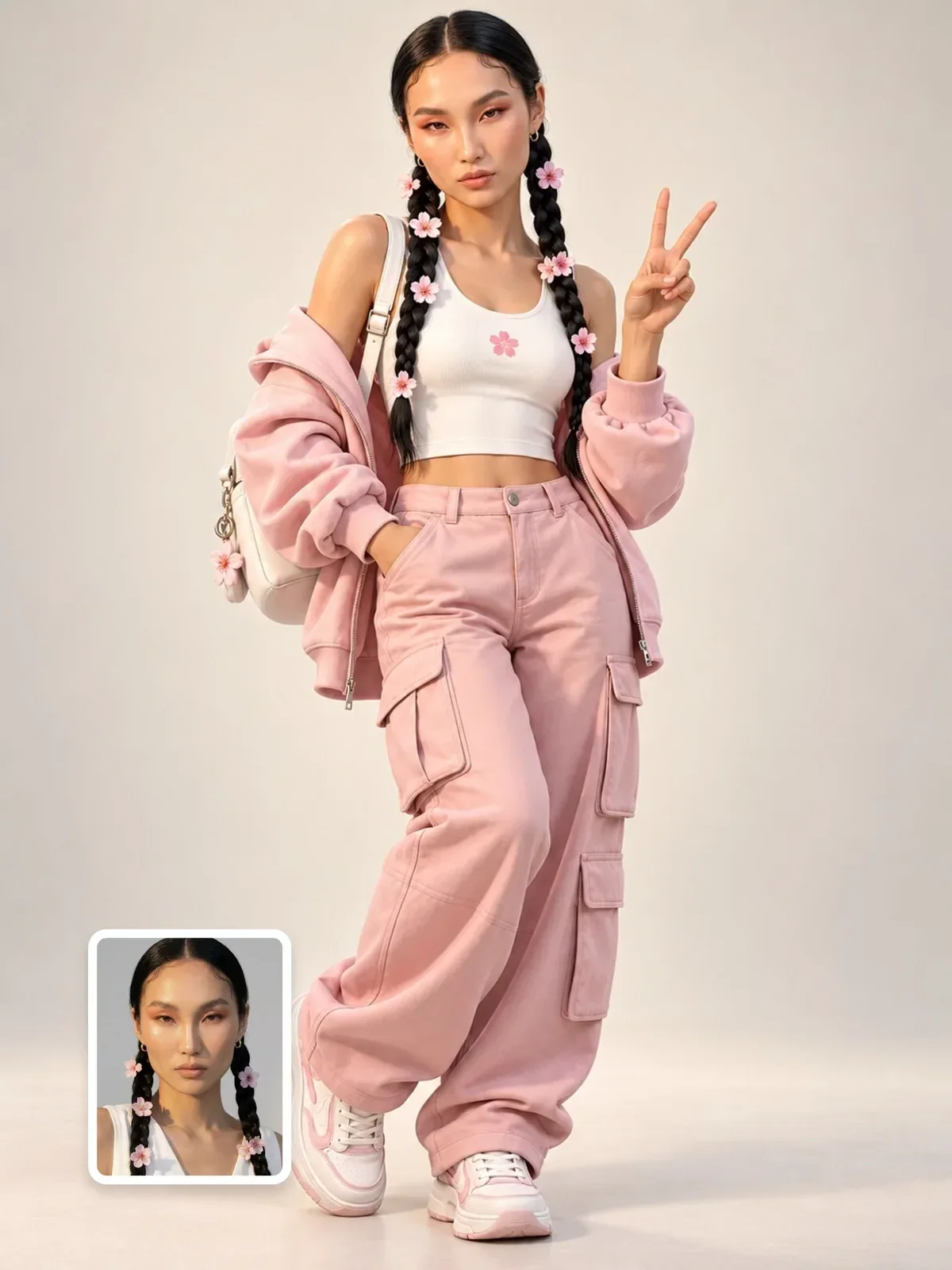
Designing a Brand Mascot With AI, From Sketch to Character Sheet
Take a brand mascot from a written brief through rough AI sketches, silhouette tests and expressions to a character sheet a designer can redraw and use.
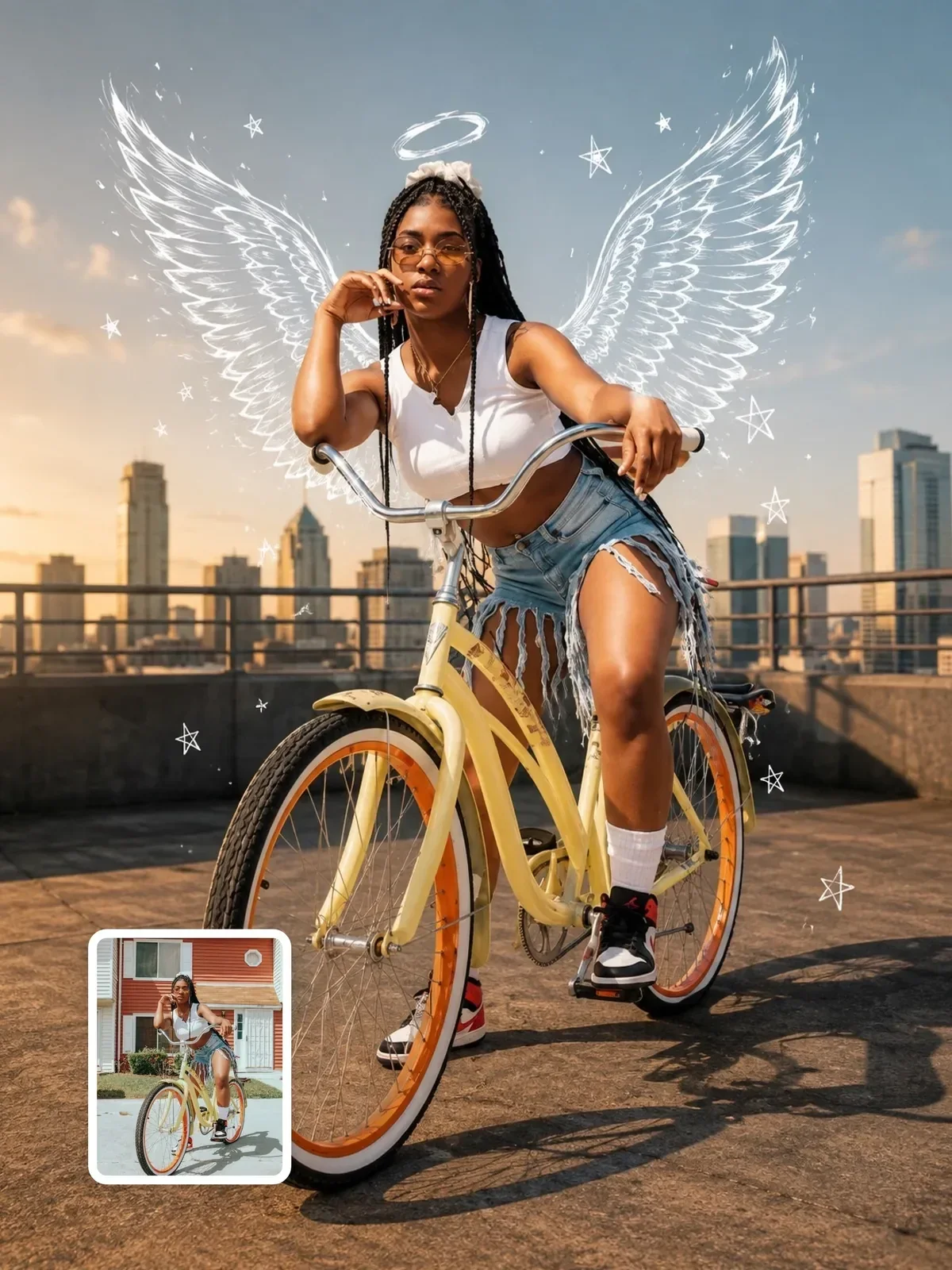
Planning a Week of Instagram Content With AI Images
Plan seven days of Instagram posts in one sitting: content pillars, a weekly grid, a reusable house style, batch generation and honest AI labeling.
Building Instagram Carousels With AI: Sequence, Consistency and Covers
Plan an Instagram carousel slide by slide, keep AI images consistent across the set, design a cover that earns the swipe and build seamless panoramas.
Group and Couple Photos With AI: Keeping Everyone Recognizable
Why faces drift when AI transforms couple and group photos, and how to choose the source, write a left-to-right roster and fix one person at a time.
How to Organize Your Personal Prompt Library
Set up a personal prompt library that you will actually use: what to save with each prompt, a naming and tagging system, versions, reusable blocks and reviews.
Claude Skills for Creative Work: What They Are and How to Use Them
What a Claude skill is, how Claude decides to use one, how to install a skill safely, and how to write your own for repeatable image and video prompt work.
Video
AI Video Prompting Basics: Subject, Action, Camera, Time
Learn the four parts of a video prompt: a stable subject, one clear action, a motivated camera and a timeline, with examples that show why each one matters.
Seedance Prompt Guide: Writing Shots That Move
Write Seedance prompts in clear labeled sections: reference roles, subject locks, timed beats, one camera idea per shot, audio and exclusions, plus a fix list.
Camera Movements for AI Video: Dolly, Pan, Orbit and Crane
What dolly, truck, pan, tilt, orbit and crane moves do on screen, why parallax sells them, and how to word each so a video model performs one clean move.
From Still to Motion: An Image-to-Video Workflow
A five-stage image-to-video workflow: design a still that is ready to move, write only the motion, use references safely and judge clips like an editor.
Writing a Shot List for a 10–15 Second AI Video
Plan a 10 to 15 second AI video like a commercial director: count beats, assign time ranges, write lines a model follows in order and lock continuity.
Vertical AI Video for Reels and TikTok: Hooks, Pacing and Loops
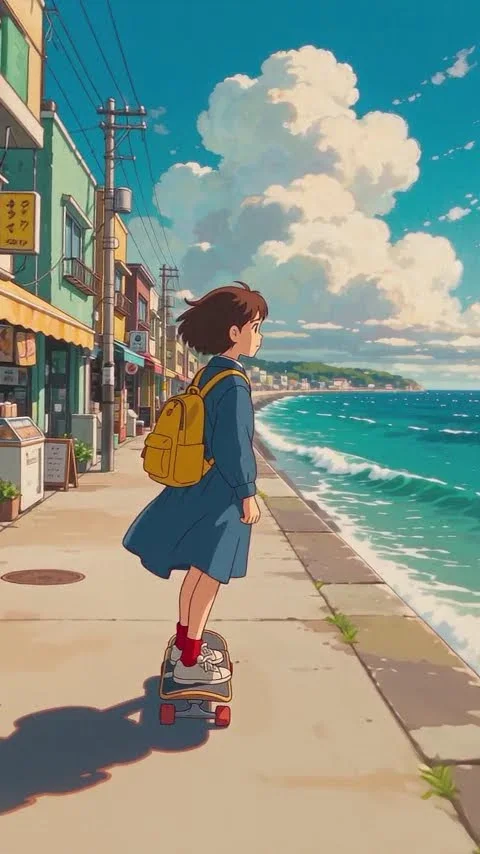
Compose AI video for a 9:16 phone screen: keep action clear of app buttons, open on motion in the first second, pace changes and build loops with no seam.
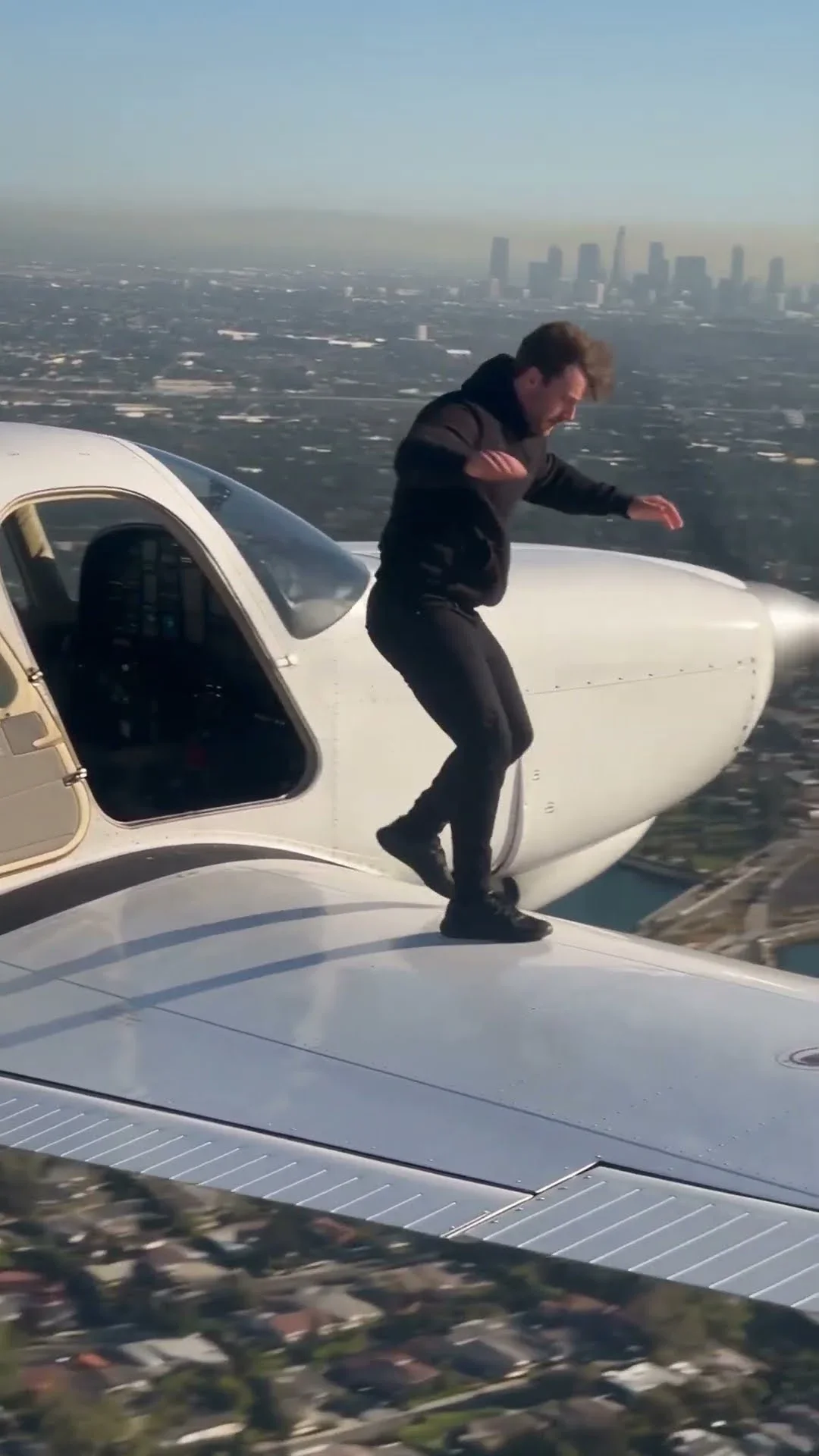
Sound, Ambience and Dialogue in AI Video Prompts
Describe AI video sound in layers: room tone, ambience, timed effects and short dialogue that fits the clip, plus why writing no music changes the result.
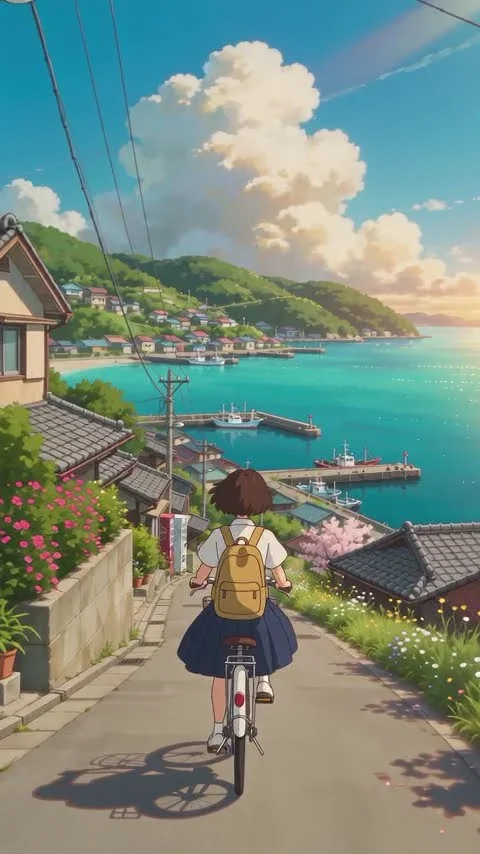
Anime Scenes With AI Video: Framing, Motion and Mood
Prompt AI video that looks hand-drawn: anime shot types, what to animate and what to hold, painted light and weather, and negative lists that stop 3D drift.
Documentary and Wildlife Looks in AI Video
Write AI video that feels observed, not staged: long-lens wildlife distance, believable animal behavior, available light, field sound and honest labeling.
Making an AI Travel Vlog Clip That Feels Real
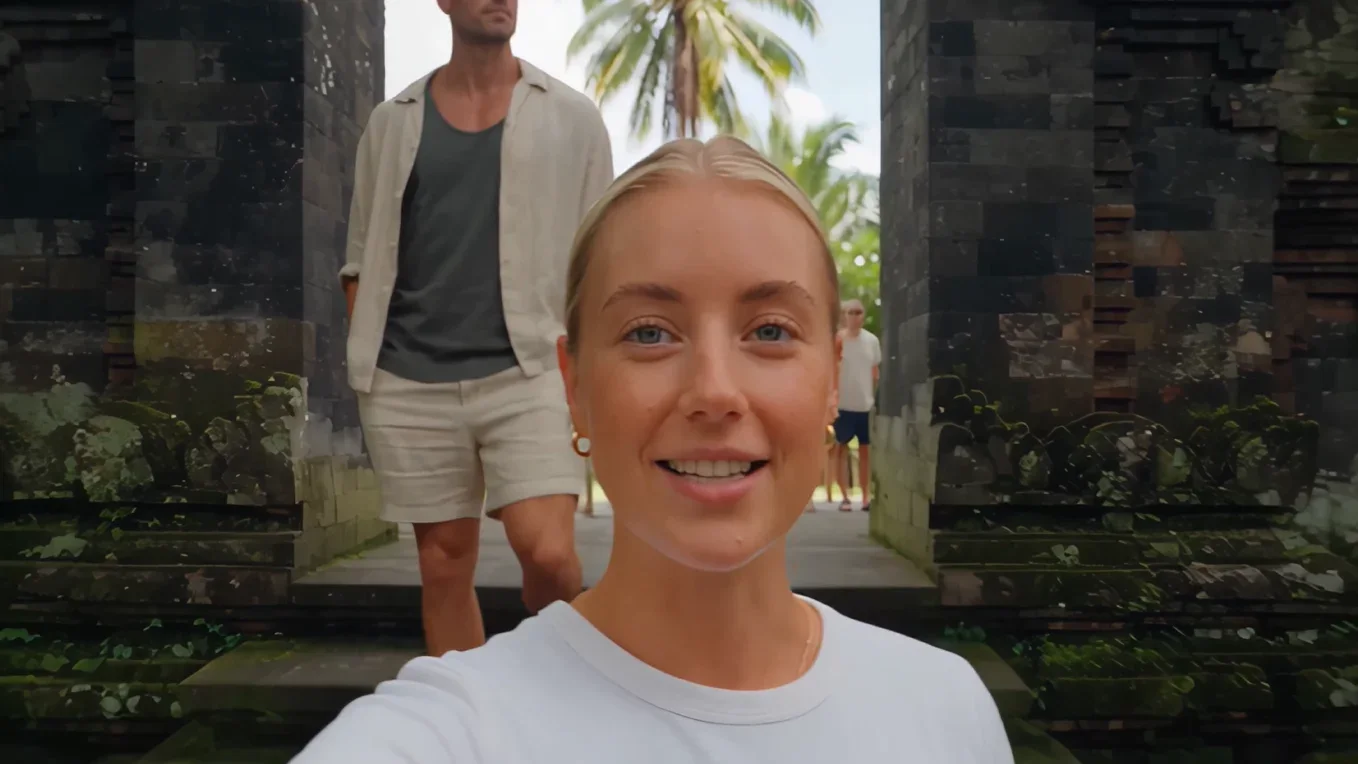
Write an AI travel vlog clip that feels filmed: arm's-length wide lens, walking bounce, exposure jumps, places told by texture and unscripted lines.
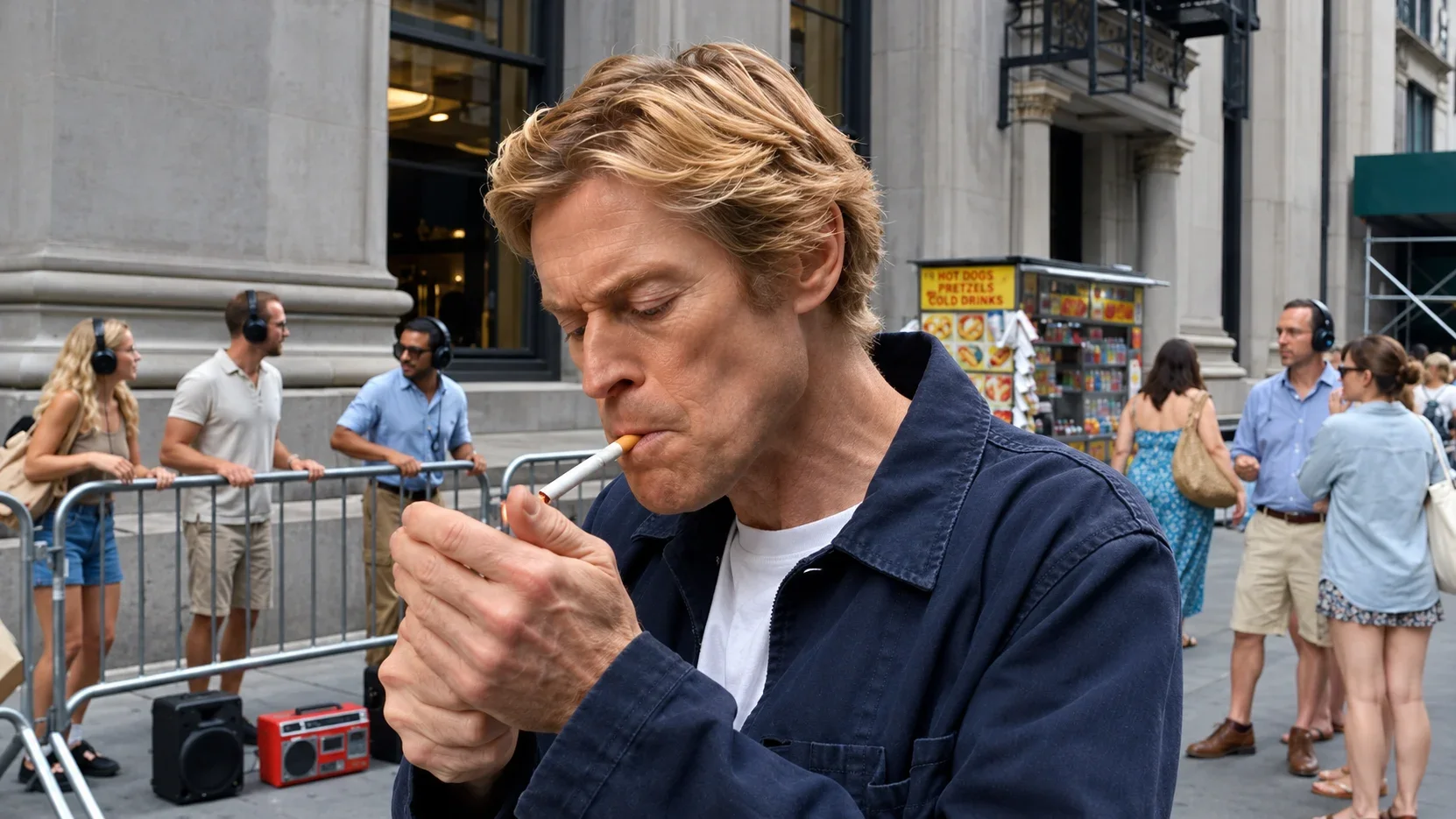
Blocking a Scene in Blender Before AI Video
Use a gray-box Blender blockout to control AI video: real-scale sets, a color code for figures, keyframed camera moves, a flat render and the prompt to map it.